What Maisie Knew– Monday, May 13 at Lincoln Plaza Cinemas. Directed by Scott McGehee and David Siegel, written by Nancy Doyne and Carroll Cartwright. When I first heard of this film I thought there was something familiar about the title. Then I found out it was based on a Henry James novel published in 1897, which I was aware of, but had not read. The title is intriguing and feels rather modern for a book that came out 116 years ago. I was curious to see how this source material would be adapted to the present day. After seeing the film, I checked out a synopsis online and saw that the premise of the book is followed fairly closely, though James’ novel covers at least 10 years while the film seems to show us less than a year.
Maisie (Onata Aprile) is the six-year-old daughter of Susanna (Julianne Moore), a fading rock star, and Beale (Steve Coogan), an art dealer. To say that these parents are neglectful and self-absorbed is an extreme understatement. Susanna comes off as a narcissistic monster, while Beale just seems very weak, distracted, a child himself. They both seem to love Maisie, in their way, but neither is able to actually be a parent. I think that Susanna, especially, sees Maisie as a possession rather than a person with needs and feelings. Maisie basically has to take care of herself and find her own way, often with Susanna and Beale screaming at each other in the background. I was particularly touched by a scene showing Maisie home from school, in the kitchen making herself a peanut butter sandwich with potato chips on the side. You can tell that she’s done it many times before. Maisie is constantly let down by these people, but never acts out or throws a tantrum. She just endures it and moves on.
When Susanna and Beale angrily break up at the beginning of the film, Maisie becomes the pawn in an acrimonious custody battle. It turns out they weren’t actually married, so there’s no divorce. Beale marries Maisie’s nanny, Margo; then Susanna marries Lincoln (Alexander Skarsgård), a bartender she knows from the club scene, apparently in an effort to show the court they can each provide “stable” home environments for Maisie. We see all this through Maisie’s eyes, so we only get bits and pieces of what Susanna and Beale are doing. The title is, after all, What Maisie Knew. The film maintains her point of view throughout, though we have a more objective view and understanding of what she “knows.”
The word “heartbreaking” has been used to describe What Maisie Knew in reviews I’ve seen, and it is that, for sure, but also more. The film creates a great deal of empathy for Maisie, largely due to the performance of Onata Aprile, who is a wonder, every bit as amazing as Quvenzhané Wallis in Beasts of the Southern Wild (2012). The question is how a person like Maisie could even exist as she does, given the awesome dysfunction of her mother and father. It’s a mystery. Maisie seems thoughtful and aware, but she’s not a precocious movie kid, full of smart cracks and putdowns, which is a relief. As Margo says to Lincoln at one point, “She’s a child.”
Maisie is very much at risk, which makes the film painful to watch and anxiety-inducing at times. But what provides a strong core of hope for me, and makes this much more than the sad story of a neglected child, is the love that develops between Maisie and Lincoln as he becomes more involved in her life and welfare. This is the heart of the movie for me. The chemistry between Onata Aprile and Alexander Skarsgård is what really sells this. I first became aware of Skarsgård in David Simon’s Generation Kill series on HBO in 2008, and then as the vampire Eric Northman in True Blood, also on HBO. He was excellent in the feature Disconnect, which I saw earlier this year. But I don’t think I’ve ever seen him convey the depth of feeling he does in What Maisie Knew. In the following interview conducted at the 2012 Toronto Film Festival, the affection they have for one another is obvious.
What Maisie Knew is well directed by Scott MacGehee and David Siegel. I’ve seen only the first two of their four previous features, Suture (1993) and The Deep End (2001). Based on Maisie, I’d now like to see their subsequent films, Bee Season (2005) and Uncertainty(2009). They bring a delicate touch to What Maisie Knew, as well as a sense of mystery and wonder, without becoming sentimental. The emotions the film brings out are well earned. It’s sometimes more fun watching stuff blow up, but that seldom makes me feel as good as this. – Ted Hicks
Last weekend we saw Dont Look Back (1967)at the Museum of the Moving Image, with director D.A. Pennebaker there for a Q&A after. I thought the opportunity to see the film on a big screen with the filmmaker in attendance was too good to miss. (The lack of an apostrophe in the title is deliberate, but despite having seen the film quite a few times over the years, this is the first time I ever noticed it, having been alerted by the Wikipedia entry.)
Filmed over 11 days in April and May of 1965 during his U.K. concert tour, Dont Look Back shows us Dylan in the process of evolving out of the role of a more traditional singer/songwriter of protest songs. The half-acoustic, half-electric Bringing It All Back Home had already been released. Later that year Dylan would record the epic “Like a Rolling Stone” and make his third appearance at the Newport Folk Festival, where he would seriously upset a lot of folk purists by unleashing several electric numbers. (Another fascinating film that documents Dylan in the process of becoming “Bob Dylan” is Murray Lerner’s The Other Side of the Mirror: Bob Dylan Live at the Newport Folk Festival 1963 – 1965. It’s well worth seeing.)
Dont Look Back gets your attention right away with a kind of prototype music video. We hear “Subterranean Homesick Blues” on the sound track as Dylan stands in an alley, staring blankly at the camera and discarding cards bearing hand-written words from the song’s lyrics as it plays. There’s a homemade, improvised vibe to this, fresh and funny. This clip of the opening has a DVD commentary from Pennebaker and Bob Neuwirth on how the scene was put together.
Alan Price & Dylan
Seeing Dont Look Back this time, I was struck by how boring and tedious life on the road during this tour must have been. We see Dylan in a seemingly endless series of hotel rooms that are always crowded with the many friends, hangers-on, and sycophants who swarm around him. He’s never alone. Members of his entourage that Dylan seems to take seriously are Joan Baez, who disappears from the film half-way through (this is reportedly when they broke up as a couple), Alan Price (who had recently left The Animals and would later go on to write and perform a great score for Lindsey Anderson’s O Lucky Man [1973]), his manager Albert Grossman, and Bob Neuwirth, Dylan’s constant shadow and yes-man.
I was also struck, once again, by how nasty and unpleasant Dylan could be at times. The condescending way he takes apart the “science student” (Terry Ellis, later a co-founder of Chrysalis Records in the U.K.) who tries to interview Dylan before a concert is almost painful to see. The poor guy doesn’t stand a chance. Dylan nails him to the wall while strumming his guitar and blowing notes on his harmonica as Alan Price plays piano in the background. But this encounter is almost friendly compared to the way Dylan lays into a Time magazine reporter later in the film. It’s no surprise that he would channel that anger and impatience through songs such as the “Ballad of a Thin Man,” “Idiot Wind,” and the awesome and excoriating “Positively 4th Street.”
I first saw Dont Look Back in San Francisco sometime in ’68. I’d started listening to his music with Bringing It All Back Home (1965). His first four albums, to the extent that I had heard them, were a little too ascetic for my tastes at the time. Dylan needed to go electric to get my full attention, and by the end of a year in which he’d also brought out what might be his greatest album, Highway 61 Revisited, he definitely had it.
Dont Look Back is an incredibly important film, and not just because of its subject matter. It really felt like something new, raw and rough, with scenes caught on the fly, the camera just observing whatever might happen. It was also the first time I’d ever heard anyone say “fuck” in a film (and not just once, but several times). I was startled, alarmed, and a little frightened, like someone had just gotten punched in the face right in front of me. I’d been seeing movies all my life, but this was something new, and it disoriented me. The scene takes place in yet another crowded suite of hotel rooms. Someone has drunkenly thrown a glass out the window to the street below, and Dylan grows increasingly angry trying to find out who did it. It feels like he’s not playing around, that he’s dropped any pretense and we’re seeing something real.
The second part of this scene, after the disruptive mood has become calmer and relaxed, is an equally important one. Donovan is in the room; we see him watching from the sidelines. Donovan had been lately in the news, heralded as a sort of British Dylan. He’s been on Dylan’s radar from the start of the film; earlier we’ve seen Dylan referring to newspaper articles, saying somewhat jokingly that he’s got to meet Donovan. Now he’s here in the room. Almost shyly he begins to sing his song “To Sing for You.” In the midst of singing, Dylan breaks in and says, “Hey, that’s pretty good, man!” When the song is over Dylan takes the guitar from Donovan and launches into “It’s All Over Now, Baby Blue,” a devastating performance that leaves no doubt as to who the top dog is. The camera lingers on Donovan’s face for a long time, and we know he knows, too. Here’s the scene:
Dont Look Back certainly gained Pennebaker a wider awareness, but he’d been making films since 1953. His first film of record is Daybreak Express (1953), set to the music of Duke Ellington.
Primary, a film he made in 1960 with Robert Drew, Richard Leacock, and Albert Maysles was key to the development of Direct Cinema (or Cinéma vérité). The film, covering John F. Kennedy and Hubert Humphrey’s campaigns in the 1960 Wisconsin Democratic Primary, was a breakthrough in its use of smaller, mobile cameras and lightweight sound equipment, which allowed filmmakers to be relatively unobtrusive and get in closer than they ever had before.
Along with filmmakers Frederick Wiseman and the Maysles Brothers, D.A. Pennebaker was instrumental in creating a style of documentary that didn’t use voice-over narration or interviews, and was more observational. In a 1971 interview Pennebaker said, “…it’s possible to go to a situation and simply film what you see there, what happens there, what goes on, and let everybody decide (what) it tells them about any of these things. But you don’t have to label them, you don’t have to have the narration to instruct you so you can be sure and understand that it’s good for you to learn.” We see this method in the extreme in the films of Frederick Wiseman. Wiseman makes films about institutions, as reflected in titles such as High School (1968), Basic Training (1971), Welfare (1975), Public Housing (1997), and Domestic Violence (2001). The Maysles Brothers, Albert and David, started making films in 1962. Their best-known films are probably What’s Happening! The Beatles in the USA (1964), Gimme Shelter (1970), and the mesmerizing Grey Gardens (1976). David died in 1987, but Al continues to work and has not slowed down much.
Pennebaker has made many films about musicians over the years, including John Lennon, Little Richard, Jerry Lee Lewis, and David Bowie. In 1967 he filmed the Monterey Pop Festival. Released in 1968, Monterey Pop basically invented the rock concert film as we know it. This was also a time when music had a strong connection to the counterculture. Monterey Pop showcased powerful performances from many artists, including this one from Janis Joplin with Big Brother and the Holding Company (I especially like the cut to Mama Cass Elliott in the audience at the end of the number mouthing “Oh wow!” in reaction). Notice how effectively this clip is edited.
Since 1976 Pennebaker has worked in partnership with Chris Hegedus, co-directing, shooting, and editing films together through their company Pennebaker Hegedus Films. They were married in 1982. It happens that their offices are a block away from where we live on the Upper West Side of Manhattan. For several years now I’ve gotten a kick out of seeing Pennebaker on the street, walking a dog or pushing a cart in our local Fairway grocery store, and having an occasional conversation with him about this or that film. It knocks me out to think of how important he is historically to documentary filmmaking, and at the same time I can see him carrying a bag of groceries. At nearly 88 years of age, and not looking anywhere near it, Pennebaker is still making films, the latest being The Kings of Pastry (2009), which follows French pastry chefs during a 3-day competition to win the prestigious Meilleur Ouvrier de France (Best Craftsman in France) award. It may not have as much resonance as some of the earlier films, but it’s impeccably made and extremely entertaining. The Kings of Pastry showed me something new that was fun to learn and also made me quite hungry for pastries.
This year D.A. Pennebaker received an honorary Academy Award, a well-deserved recognition of his extraordinary body of work and a life dedicated to filmmaking. It’s impossible to overestimate his importance in this regard. He helped to change the landscape.
All of the films cited in this piece are available on home video from Netflix and/or Amazon. Of special note is The Criterion Collection DVD edition of The Complete Monterey Pop Festival, a 3-disc set including the feature Monterey Pop (with commentary track by D.A. Pennebaker), Jimi Plays Monterey and Shake! Otis at Monterey (the complete performances of Jimi Hendrix and Otis Redding at Monterey), and 123 minutes of outtake performances. – Ted Hicks
Upstream Color– Thursday, March 29 at Magno Review and Friday, April 5 at the IFC Center. In addition to directing, writing, and producing Upstream Color, Shane Carruth also was director of photography, a camera operator, co-editor, wrote the original score, and one of the lead actors as well. This degree of hands-on control is unusual in feature filmmaking. He pulled similar duty on his debut feature, Primer (2004), a very twisty science-fiction film concerning time travel. Both films are perplexing and demanding, but quite rewarding if you open yourself to them. This is especially true of Upstream Color, which affected me emotionally in ways I don’t yet understand and can’t explain. I was frustrated the first time I saw it, because I couldn’t figure it out and couldn’t see the connections, assuming there were any. It was like watching a feature-length trailer that didn’t want to give anything away. I was ready to write it off as some sort of opaque, arty puzzle without a solution. But I also had the urge to see it again. The film has a haunting quality that’s hard to shake. Something had really engaged me and I wanted to feel again whatever the hell it was I’d just experienced.
At the beginning of Upstream Color we see a man walking through a nursery examining plants, poking in potted soil, then sorting out pale worms and putting them in containers. He later abducts a young woman, Kris (Amy Seimetz), outside a nightclub. We’ve seen her earlier working at a film production job, or possibly it’s advertising. He forces her to ingest one or more of the worms. She’s now totally under his control, following every suggestion and command, performing seemingly meaningless tasks. We watch Kris transcribe passages from Thoreau’s Walden Pond. The man has her sign over large amounts of money to him. We see another man (Andrew Sensenig) who makes odd sound recordings with elaborate equipment, such as the sound a stack of bricks makes when he pushes them over. He also operates a pig farm where he carries out some kind experiments on the pigs. He almost never says a word. He’s called “Sampler” in the end credits, which makes sense when you see it, but this is never mentioned in the film.
We see Sampler outdoors at night with his equipment. He puts large speakers face down on the ground and begins blasting loud thrumming sounds directly into the earth. Earlier Kris awoke in her bed to see worm-shapes moving just under the skin of her arms and legs. Alarmed, she tried to cut them out with a kitchen knife. She now appears in a daze at Sampler’s farm (perhaps somehow drawn by the sound). Sampler puts Kris on a kind of operating table and connects her via tubing to a pig on an adjacent table. He begins to transfer something either from Kris to the pig or from the pig to Kris. Later Kris meets Jeff (Shane Carruth) on a commuter train in an unnamed city. There are intimations Jeff has undergone the same testing as Kris. We see similar marks or scars on their bodies. They begin to fall in love (or something like it). As they get to know each other, their memories begin to overlap. Kris’ recollections become Jeff’s, slightly altered. His memories become hers. They argue about whose memories are whose. There’s a stunning sequence where this plays out in increasingly frenetic rapid-fire dialogue.
There were moments when Upstream Color felt like a horror movie, a monster movie, movies by David Cronenberg and David Lynch, or about alien abduction. It’s none of these things, or maybe a bit of all of them.
Upstream Color gives us fragments of a larger story. It’s up to us to make sense of it. The film is like a dream or memory you’re right on the edge of grasping or understanding, but it’s just out of reach, like something half heard, half remembered. The music creates a sense of expectation, of momentous events about to happen. At no point in the film is there a moment that tells us this is it, where all the strands neatly come together. But Upstream Color is not a Rorschach test; it’s more like a jigsaw puzzle with some missing pieces. I don’t think there are different stories we can come up with here. I think there is one story; we just have to see it. There are very definite signposts, but it’s up to us to fill in the blanks. Of course, we have to use our imaginations to do that, so even if there is only one story, probably no two viewers will see quite the same film.
It was after seeing Upstream Color the second time that connections became clearer, particularly in the last moments. Not that everything makes sense. For example, I don’t know why Walden Pond appears on tables and bookshelves repeatedly in the film. Though maybe if I had ever read Walden Pond, I might have a better idea. I don’t what the deal is with the two young black kids on bicycles at the beginning, or the guy who puts the worms in Kris’ body and steals her money. It occurs to me just now that he may be working for Sampler, recruiting test subjects. It’s okay not to understand everything. The idea that there is more to Upstream Color than I’ve been able to comprehend doesn’t bother me. That’s part of the mystery and beauty of it. I don’t know, I may be way off the mark here. But I wonder when was the last time I was this engaged or moved by a film. And yes, I want to see it again. – Ted Hicks
Shane Carruth’s first film, Primer, is available via Amazon Instant Video and for rental or streaming from Netflix. Upstream Color is currently being distributed by the filmmaker for a limited theatrical release. It will be available on DVD and Blu-ray from Amazon on May 7, as well as Instant Video. Also check Netflix for availability after that date.
The IFC Center in New York recently ended a week’s run of Stanley Kubrick films. I saw a double feature of two of my favorites, The Killing (1956) and Paths of Glory (1957), then topped that off the next day with the always awesome 2001: A Space Odyssey (1968). In terms of style, technique, acting, and story, The Killing, made when he was 28, is a huge advance on his first two features, Fear and Desire (1953) and Killer’s Kiss (1955). In it we see him becoming Stanley Kubrick. And it’s one of the best film noirs ever.
Based on the novel Clean Break by Lionel White, The Killing was written by Jim Thompson, author of tough novels with terrific titles, such as The Killer Inside Me and A Hell of a Woman, mostly paperback originals with lurid covers. Kubrick was impressed with The Killer Inside Me, and thought Thompson would be right to adapt Clean Break, though in the end Kubrick claimed the screenplay for himself, giving Thompson a “dialogue by” credit. This greatly upset Thompson, who nevertheless worked on the screenplay for Kubrick’s next film, Paths of Glory.I read a lot of crime fiction, and Thompson figures high in the hard-boiled pantheon. None of his books were in print when he died in 1977, but have been subsequently re-printed and re-discovered. His books, grubby and violent, written in a point-blank style, were perfect for neo-noir adaptations. Films from his books include The Getaway (filmed twice, first by Sam Peckinpah), The Killer Inside Me (also filmed twice), Stephen Frears’ The Grifters, and After Dark, My Sweet.
The Killing is about a complex race-track robbery, filmed in a semi-documentary style. The structure of the film is equally complex, presenting the story out of chronological order. An omniscient, totally objective narrator (an uncredited Art Gilmore, who narrated 156 episodes of the Broderick Crawford TV series Highway Patrol and documentary films during the ’50s and ’60s, making him perfect for this) introduces the characters and action, and keeps the time sequence clear by linking scenes with phrases such as “About an hour earlier, that same Saturday afternoon in September, in another part of the city…” Kubrick frequently used narration in his films. In discussing Barry Lyndon (1975) with French critic Michel Ciment, Kubrick says “A voice-over spares you the cumbersome business of telling the necessary facts of the story through expositional dialogue scenes which can become very tiresome and frequently unconvincing… Voice-over, on the other hand, is a perfectly legitimate and economical way of conveying story information which does not need dramatic weight and which would otherwise be too bulky to dramatize.” More importantly, in The Killing, the voice-over narration is crucial in keeping the audience situated in time and place, as well as building tension and suspense.
Interestingly, the film’s narrative structure was not even mentioned in the original New York Times review (May 21, 1956) when The Killing opened. The source novel, Clean Break, employs the same fragmented chronology, which is reportedly what interested Kubrick in the book in the first place. In a 1973 interview with Kubrick, Gene Phillips writes, “Kubrick was confident that his method of telling the story by means of fragmented flashbacks would work as well on the screen as they did in the novel. ‘It was the handling of time that may have made this more than just a good crime film,’ Kubrick said.”
Flashbacks had been frequently used in films up to this time, especially in film noir, notably in films such as The Killers (1946) and Out of the Past (1947), but whatThe Killing did with time hadn’t been done quite this way before, as far as I’m aware. The Killing‘s circular chronology must have influenced Quentin Tarantino’s use of time inReservoir Dogs, Pulp Fiction, andJackie Brown. I’d be amazed if he hadn’t seen it.
The opening of The Killing shows titles over scenes of a horse race about to begin. This sequence is repeated several times during The Killing as part of the film’s circular structure, with an increase in audience anticipation each time it punctuates the narrative. The music by Gerald Fried gives an urgency and importance to the scenes, but is not overdone or used to excess. Fried went to high school with Kubrick and composed the music for his first four features.
The following scene, which occurs six and a half minutes into the film, after four key characters have been introduced, begins with the narrator saying, “At 7:00pm that same day, Johnny Clay, perhaps the most important thread in the unfinished fabric…” The camera follows Clay in a low-angle, lateral tracking shot from screen left to right as he opens a bottle of beer in the kitchen and walks through at least three rooms. As he walks he explains the robbery plans to someone we don’t see until he reaches the living room. We see Clay moving behind furniture placed in the foreground of the shot. The effect of moving past foreground objects seen between us and Clay creates an almost 3D effect, and gets my attention every time I view the film. Take a look. The shot is much more elegant than I can describe.
The Killing stars Sterling Hayden as Johnny Clay, ex-con and architect of the scheme to rob the race track, a character similar in appearance and manner to Dix Hanley, who he played in John Huston’s great The Asphalt Jungle (1950), also a film about the careful planning and eventual failure of a robbery. Hayden has always been a favorite of mine. He was best at playing strong, imposing figures (being 6’5″ and muscular helped), such as a cop in the little-seen and underrated Crime Story (1954); an insane Air Force general who starts a nuclear war in Kubrick’s Dr. Strangelove (1964); a corrupt police captain who famously gets his brains blown out by Al Pacino in The Godfather (1972); and an alcoholic writer in The Long Goodbye (1973), Robert Altman’s revisionist take on Raymond Chandler’s novel.
In addition to Hayden, Kubrick assembled an excellent cast for The Killing, with Timothy Carey being a standout. Carey plays Nikki Arcane (great name), a marksman hired by Johnny Clay to shoot a horse at the race track to create a diversion from the actual robbery. With his bizarre line readings and facial expressions, Carey was an eccentric screen presence throughout his career. He would appear to great effect in Kubrick’s next film, Paths of Glory. The following clip shows Nikki arriving at the race track to get in position to shoot the horse when the race starts.
A fascinating piece of casting in the film is that of Kola Kwariani, a professional wrestler and chess player from Russia, who plays Maurice, hired by Clay to start a fight at the race track to create yet another diversion at the time of the robbery. Besides having a wonderful name, Kwariani and Kubrick knew each other from the New York chess world. He brings an unusual presence to the film, both in appearance and in the way he speaks. The following scene shows Clay speaking with Maurice in a chess club, explaining what he needs from him. The dialogue is great.
And here’s the brawl Maurice initiates.
A pivotal character in the film is George Peatty (a perfect name for this nervous, henpecked little man), played by Elisha Cook Jr. at his twitchiest. Cook was a familiar presence in films of the ’40s and ’50s, anxious and bug-eyed in most of his roles, or acting tougher than he was. Memorable parts include the gunman Wilmer Cook, sold out by his boss Sidney Greenstreet in The Maltese Falcon (1941); the doomed Harry Jones in The Big Sleep (1946); and as hotheaded farmer Stonewall Torrey, shot down in the mud by hired gun Jack Palance in Shane (1953). As Johnny Clay tells his girlfriend Fay (Coleen Gray), none of the men he’s recruited for the robbery are criminals in the usual sense. Cook’s character, George Peatty, is a betting-window teller at the race track whose sole function in the heist is to open a locked door for Johnny Clay at a crucial moment. George’s wife Sherry (Marie Windsor), brassy and manipulative, knows something is up and pressures him to tell her. She gets enough out of him to interest her lover, Val Cannon (another great name), played by a thuggish Vince Edwards before he gained fame as Ben Casey on television.
A staple of many crimes films is the carefully planned job that goes south, and The Killing is no exception. Johnny Clay has put together a plan that requires interlocking precision and adherence to an exact time table by all participants. In retrospect it may seem odd that he didn’t get a whiff of George Peatty’s basic weakness, but Clay obviously wasn’t quite as smart as he thought he was. When Val Cannon’s attempt to horn in on the take forces Clay to improvise, we see what all that precise planning was worth. But by then things were already coming apart. Author Alexander Walker, in his book Stanley Kubrick Directs, points out that what attracted Kubrick to Lionel White’s novel, besides the fragmented structure, is that “the novel touches on a theme that is a frequent preoccupation of Kubrick’s films: the presumably perfect plan of action that goes wrong through human fallibility and/or chance.” Both are at play in an ending that recalls that of Treasure of the Sierra Madre (1948), rich in irony and resignation. – Ted Hicks
Leviathan – Wednesday, February 13 at Magno Review. A film by Lucien Castaing-Taylor and Véréna Paravel. This film may be nominally called a documentary, but it’s so far from any documentary I’ve ever seen that it defies description. The press notes call Leviathan a “groundbreaking, immersive portrait of the contemporary fishing industry.” The only accurate word in that phrase is “immersive.” From the very first image the viewer is plunged deep into a swirl of who-knows-what images and sounds, without any context whatsoever.
I thought it might be appropriate, given the raw-feed nature of the film, to show my tortured, unedited notes as I scrawled them in the dark during the screening:
“…like being waterboarded by a movie…disorienting…alienating…horror film…matter-of-fact brutality…never a sense of what’s going on or why or how…violent and dehumanizing…no establishing shots at all…45 minutes into it a guy taking a shower, very abstract image that goes on and on…what am I supposed to take away from this film?…motion sickness…like being on another planet with no reference points…Lovecraft…Bosch…vision of Hell…activity without meaning…assaultive, negative experience…long, static shot in the galley, fisherman at table watching TV we don’t see, goes on and on, he falls asleep…film gives no idea of what it’s like being on one of these ships…as if things aren’t abstract enough, lengthy shots of birds in the sky are suddenly turned upside down…much of the time we don’t know what we’re looking at.”
It’s a good thing I knew beforehand that Leviathan was shot aboard a fishing trawler off the coast of New Bedford, Massachusetts, because the film is simply not interested in supplying that (or any other) information. Leviathan is a purely sensory experience, visual and aural. Titles at the start of the trailer supply a context that you never get in the film.
I’m not saying I don’t want to see films that are experimental, impressionistic, and avant-garde, which this definitely is. But Leviathan seems to be a collection of arbitrarily selected shots edited in such a way as to be as chaotic as possible. If the trailer sparks your interest at all, be warned that nearly every one of these shots goes on for what seems forever. I love long takes in films, but this is something else entirely. If I’m going to be shown the blurry image of a man taking a shower for maybe five minutes, I’d like to have some idea, however vague, of why it’s in the film. The most interesting shots in Leviathan are of birds flying against the sky, but then this footage is turned upside down, and we watch that, also for a very long time.
I obviously just don’t get it. I’m certainly not the best audience for Leviathan, but I’m not sure who would be. The film seems to go out of its way to beat you up with sound and image. When I later watched a video of the filmmakers’ press conference at last year’s New York Film Festival, I was put off immediately when co-director Lucien Castaing-Taylor began by asking if anyone in the audience had an asthma inhaler he could borrow. When asked what the filmmakers were trying to say about the fishing industry, he said they weren’t trying to say anything, that they didn’t want to say anything reducible to words and meaning. This seems pretty pretentious to me. He also acknowledged that the film can be quite stressful and anxiety-inducing to watch. So maybe my reaction was exactly what was hoped for. He seemed hostile and condescending in the press conference, very much the superior artiste. His co-director, Véréna Paravel, has a limited command of English, yet Castaing-Taylor, who is quite fluent, continually insisted that she answer questions rather than himself. Instead of expanding the way I might see Leviathan, the press conference only reinforced my negative take on the film.
To be fair, Leviathan has been shown at a number of film festivals, has won several awards, and definitely has its champions. For example, Rich Juzwiak’s review in Gawker is much more positive and open to the film than mine. As I’ve indicated, I have a hard time with a film this abstract (and for me, abstract in a hostile way, which is what bothers me the most). I need to be able to relate to whatever I’m seeing, to find a way to hook into the material, which is usually through story and (most importantly) characters. Though I agree with Jean-Luc Godard, who once said that a film should have a beginning, a middle and an end, but not necessarily in that order.
I saw Leviathan at a screening in February, and wasn’t sure I wanted to write about it. It’s much more rewarding and definitely more fun writing about films I like. I try to convey my enthusiasm for those films. But Leviathan is still playing here in NYC, and since I’m still trying to sort out my response to the film, I decided to go ahead and lay out my thoughts. You’ll have to decide if Leviathan is a film you want to see if it comes your way. – Ted Hicks
** From what I can find, Leviathan is not yet available from either Amazon or Netflix. This is definitely not multiplex fare; art houses and film societies are the likely venues. **
For the past several years, the IFC Center in New York has been showing Oscar-nominated shorts in the animation, live action, and documentary categories. This has been a great opportunity to experience works we might otherwise not know much about. Earlier this week I saw the program of animated shorts. Of the five nominated, my clear favorite isPaperman, whichhas already received a lot of play, having been shown in theaters with Wreck-It Ralph last year. Paperman has a retro look — black and white with 2D animation that appears to have been actually drawn rather than computer generated — which is announced immediately by the Walt Disney Animation Studios logo at the head with an inset image of Mickey Mouse from the landmark 1928 cartoon, Steamboat Willie. This is a direct connection to Disney’s past and the cartoon that introduced Mickey Mouse to the world. Paperman, the first film directed by John Kahrs, has a lot of heart and feeling. In under seven minutes it tells the story of a young man and woman in what looks to be New York in the 1940s, who meet by chance on an elevated subway platform, are immediately separated, and — no surprise! — reunited at the end. There’s an appealing Buster Keatonish aspect to the young man’s frustrated efforts to reconnect with the young woman using paper airplanes. Paperman is a wonderful film, and here it is.
At less than two minutes, Fresh Guacamole is the shortest film ever nominated for an Academy Award. It was made by Adam Pespane, who goes by the name of PES. I’d not heard of him before, but this guy is amazing. He’s been making incredibly inventive stop-motion films since 2001, when he unleashed his first film, Roof Sex, in which two easy chairs have a passionate, no-holds-barred encounter on a New York City rooftop. Caution: This film depicts graphic chair-on-chair sex.
In 2004 PES made KaBoom!, a war film showing a bombing raid on a tiny city using children’s toys and other ordinary objects in very unordinary ways. It makes an effective anti-war statement, or maybe more of a comment than a statement.
His Oscar-nominated film this year, Fresh Guacamole, shows how to make guacamole using materials such as hand grenades and baseballs. It’s brainy and amusing, but doesn’t have much substance beyond showing how clever it is. Nonetheless, it’s a lot of fun, and I’m glad a film with this kind of spirit could get nominated.
Head Over Heels (10 min.), directed by Timothy Reckart in the UK, is the only nominated animated film not from the United States, which seems a little odd to me. Surely there’s great animation being done in other countries as well. Along with Fresh Guacamole, this claymation film is the most conceptually unusual of the nominees. After a long marriage, Walter and Madge no longer see eye to eye — literally, since what’s up for Walter is down for Madge. The laws of gravity don’t apply; Walter’s ceiling is Madge’s floor. During the course of the film they take tentative steps to reconcile. The trailer gives a sense of what this looks like and how it works.
Adam and Dog(16 min.), directed by Minkyu Lee, is a very interesting film about the first dog’s efforts to become the first man’s best friend in the Garden of Eden. Where they are and who they are isn’t spelled out in so many words, but it becomes obvious rather quickly. There’s also a tasteful honesty in the way Adam, and later Eve, are shown to be anatomically correct, but without drawing attention to it. The animation is quite beautiful.
Maggie Simpson in “The Longest Daycare” (5 min.) I love The Simpsons, and it’s nice seeing the perpetually ageless Maggie get her own story for a change. At the Ayn Rand Daycare Center (nice touch), instead of being put in the “Gifted Area” where she longs to be, Maggie is deposited in a dreary room called “Nothing Special,” where she tries to protect butterflies from demonic, beetle-browed Baby Gerald, who only wants to smash them against the wall with a mallet. The Longest Daycare is fun, though it seems rather slight for an Oscar nomination. Or maybe I’ve gotten so used to seeing the Simpsons world on television that this doesn’t seem new enough.
Last year’s Oscar winner in this category, The Fantastic Flying Books of Mr. Morris Lessmore, was a truly remarkable, beautifully rendered 15 minute film using a combination of traditional hand-drawn techniques, miniatures, and computer animation. I was particularly interested to learn that the character of Morris Lessmore was visually based on hero of mine, Buster Keaton. The film deservedly received fourteen awards, including the Oscar. If you’ve not seen it before, or want to see it again, here’s your chance.
I want to end by highlighting another short film, the virtually unclassifiable Plastic Bag. It was never nominated for an Oscar and isn’t even animated, but I’m including it here because it’s such a great film, and I don’t think many people know about it. Plastic Bag was made in 2009 by the American-born Iranian director, Ramin Bahrani, whose first two features, Man Push Cart (2005) and Chop Shop (2007), have received international acclaim and numerous awards. The film relates the journey of a plastic kitchen bag in a search for its Maker and the meaning of its life, told by the bag itself in commentary spoken by Werner Herzog. This is, of course, an absurdly fanciful premise, but one that’s taken seriously here. Plastic Bag aspires to achieve a spiritual dimension and a kind of transcendence, and by the time the film is over it very nearly gets there. Herzog’s mesmerizing narration, extraordinary photography by Michael Simmonds (no digital effects were used), and evocative music by Kjartan Sveinsson, help give poetic life and sadness to an everyday object made to be discarded. I was surprised to be as moved as I was by the end. It’s quite an achievement to find the human spirit in a plastic bag and not be joking. – Ted Hicks
Boardwalk Empire (HBO) I was impressed, but not overwhelmed, when I watched the first episode of this series, set in Atlantic City on the eve of Prohibition in 1920. The pilot was directed by Martin Scorsese (Executive Producer on the series). My expectations were very high, and while the period ambiance and attention to detail was amazing, there didn’t seem to be much life to it, and I found it hard to connect with the characters. But I stayed with it, and after a few episodes became more and more involved. Strong, interesting characters are essential to any story, and Boardwalk Empire has an abundance of them — embodied by a great cast, led by Steve Buscemi as Nucky Thompson, who oversees bootlegging and vice in Atlantic City. Two of my favorite characters this past season have been Richard Harrow, the badly disfigured WWI veteran who wears a painted mask on one side of his face (played by Jack Huston, a grandson of director/actor John Huston), and Gyp Rosetti, a psychotic gangster who threatens Nucky’s turf. Gyp is played by Bobby Cannavale, in a genuinely frightening performance.
Breaking Bad(AMC) I didn’t watch this series when it first appeared in 2008 because I thought I wouldn’t be interested in a protagonist who cooked and sold methamphetamine. Little did I know. I kept hearing great things about the series in both the press and from friends, but still stayed away. When a friend sent us boxed sets of the first three seasons, I was finally ready to dive in, and was immediately blown away. My wife and I burned through the boxed sets, bought the fourth season and finished that just in time to start watching the fifth, though now we had to watch the episodes one at a time on a weekly basis like everyone else. Breaking Bad is amazing, breathtaking, the best series since The Wire — and that’s saying something, since I’m one of those true believers who thinks The Wire is the greatest television series ever. Like all good series, Breaking Bad has a great cast. Bryan Cranston’s portrayal of Walter White, as he transforms from a terminally ill high school chemistry teacher to a meth-dealing gangster capable of murder and worse, is something to behold. He’s a monster, but you can’t take your eyes off him. The moral center of the series is Aaron Paul as Jesse Pinkman, Walter’s partner. Other favorites include Bob Odenkirk as shifty lawyer Saul Goodman (“Better Call Saul!”), Giancarlo Esposito as Gus Fring, and Jonathan Banks as enforcer Mike Ehrmantraut. I can’t wait to see the final eight episodes this summer. I’ll feel bummed out when it’s over for good; but like The Wire, it will always be there.
Downton Abbey (PBS) This high-toned soap opera from the U.K. portrays the aristocratic Crawley family and servants in their palatial home, Downton Abbey. The series begins in 1912, progresses through the First World War, and is now in the 1920s — all periods of change and upheaval for a tradition-bound society. Downton Abbey is impeccably produced from top to bottom, and has terrific performances by a top-notch cast. The storylines and characters are so compelling and well played that I can forgive it for being painfully contrived at times (Matthew walks!). Each episode is filled with one melodramatic turn after another, but it doesn’t matter. I just want to spend as much time with these people as possible (especially Maggie Smith as Violet Crawley). We didn’t watch the first season when it originally aired, but I was definitely aware of it (though for a long while I thought the title was Downtown Abbey, which would probably be a different sort of show). My wife wanted to watch it, and when the first season re-aired as a lead-in to the second, we jumped in and got hooked.
Fringe (Fox)A case can be made that without The X Files (1993-2002), Fringe would not have existed. They certainly share DNA in their basic set-up of federal agents investigating paranormal cases. As much as I loved The X Files (excluding the final two seasons when it went fatally off track), for me Fringe was the better show; the stakes were higher. Never that strong in the ratings, the series ended last month after an abbreviated fifth season. Fringe, through complex storylines, increasingly became about fathers and sons, parents and children, regeneration and redemption. Initially attracted by the bizarre sci-fi trappings, I was drawn in by the strong emotional content and an ensemble of characters I truly cared about.
This promotional clip offers a recap of the show leading into the final season.
The Good Wife(CBS) I was skeptical of this series when it first appeared in 2009: the story of a humiliated “good wife,” Alicia Florrick (Julianna Margulies), who stands by her husband, Peter (Chris Noth), the Illinois state’s attorney, when he is sent to prison as the result of a sex and corruption scandal (sound familiar?). But I was quickly won over by a great cast, interesting characters, and strong storylines. The show, now in its fourth season, has continued to grow and improve. I wasn’t that thrilled with the recent subplot involving Kalinda’s violent ex-husband, but that’s been the only real misstep so far. Julianna Margulies anchors the series as Alicia. I wasn’t watching ER when she was on that show, but Margulies got my attention in a short-lived series in 2008, Canterbury’s Law. She’s excellent in The Good Wife, as are the rest of the cast. Standouts for me include Archie Panjabi as the mesmerizing Kalinda Sharma, and Alan Cumming as Peter Florrick’s campaign manager, Eli Gold.
The Hour(BBC America) In just two short seasons of six episodes each, The Hour quickly became one of my favorite shows. “The Hour” of the title is a fictional British news program, similar in format to “60 Minutes.” The first season was set in 1956 against the background of the Cold War and the developing Suez Crisis. The sense of period is spot-on and the production design is stunning. But, as always, it was the cast, the characters, and the writing that drew me in. I always like seeing former cast members from The Wire in new roles: Clarke Peters and Wendell Pierce in Treme, Lance Reddick in Fringe, Michael K. Williams in Boardwalk Empire, and now Dominic West as philandering, morally conflicted news anchor Hector Madden on The Hour. The strengths he showed as alcoholic detective Jimmy McNulty on The Wire are more than in evidence here. Ben Wishaw, who I first remember seeing as poet John Keats in Jane Campion’s Bright Star (2009), and more recently as the new Q in last year’s Bond film, Skyfall, plays Freddie Lyon, a young, whip-smart reporter determined to ferret out the truth. Ramola Garai completes the triangle as Bel Rowley, the show’s producer and close friend of Freddie’s, who has an affair with Hector in the first season. Last year’s second season focused on an investigation into police corruption and illegal arms deals involving nuclear weapons. In each season so far, six episodes didn’t seem like enough time to fully work out the stories, but it’s been excellent nonetheless.
Justified (FX) This series, now in its fourth season, is based on an Elmore Leonard short story, and really captures the Leonard tone. Justified is relaxed and easy-going, with great dialogue and off-beat characters, and given to sudden, matter-of-fact displays of violence. Timothy Olyphant stars as Deputy U.S. Marshall Raylan Givens, a looser version of his role as Sheriff Seth Bullock in HBO’s Deadwood (2004-2006). At the start of the series, after a questionable shooting in Miami, Raylan has been reassigned to Harlan County, Kentucky, where he grew up. He’s someone who doesn’t go out of his way to shoot someone, but doesn’t hesitate when he has to. Olyphant is enormously appealing as Raylann — as is the rest of the cast, especially Walton Goggins as Boyd Crowder, Raylan’s boyhood friend and now criminal adversary. The show is filled with Southern good-old-boy behavior, with everyone on a first-name basis, lawmen and criminals alike, most of whom have known each other for years. Justified has gotten better from year to year, more assured of itself. So far, the second season (2011) has been the strongest, but that was mainly due to the presence of Margo Martindale in her Emmy-winning role of Mags Bennett, one of the most memorable, multidimensional villains I can remember seeing in anything. I love the series. It’s always a pleasure seeing something this well done.
MadMen (AMC) After five extremely popular seasons (2007-2012), Mad Men is unquestionably a phenomenon. The series tells the stories of people working at a Manhattan advertising agency in the 1960s, reflected through the light and shadows of the events and issues of that decade: civil rights, Vietnam, sexism, homophobia, women’s liberation, the Kennedy assassination, etc. Mad Men gets talked about a lot, and with good reason. It’s a show that makes you wonder how it can possibly get better, and then it does. From the beginning, the narrative has been very strong and has continued to build throughout subsequent seasons. As with so many good series, an excellent cast and compelling characters really sell the goods. At the center of it all is Jon Hamm as Don Draper, a supremely confident man who hides the secret of another life, another identity entirely. A large part of the show has been putting Don through the wringer and seeing how he weathers that. Standouts in the cast include Elizabeth Moss as Peggy Olson, who rises from secretary to successful copywriter in a business mainly run by men; Vincent Kartheiser as the weasely, ambitious Pete Campbell, who I particularly enjoyed watching get punched out by Jared Harris’ Lane Pryce last season; John Slattery as Roger Sterling, Don’s confidant, drinking buddy, and fellow womanizer; Christina Hendricks as Joan Harris, office manager and eye-candy for propective clients. Hendricks was amazing (and heartbreaking) in one of the strongest episodes of the series last year, “The Other Woman,” in which Joan, with the promise of a partnership, is pressured to prostitute herself in order to land an important client for the firm. This was Mad Men at its best.
Here’s a clip of Don’s new wife Megan surprising him even more at his surprise birthday party in a scene that got a lot of attention when the episode aired last year. It’s followed by a video of series creator Matthew Weiner and some of the cast of Mad Men on Inside the Actors Studio last May:
The Simpsons (Fox) From its beginnings as a series of shorts on The Tracey Ullman in 1987 to its own half-hour show in December 1989, The Simpsons is now in it 24th season, an amazing accomplishment for any show. In 2009 it surpassed Gunsmoke (1955-1975) as the longest-running primetime, scripted show on television — a feat that I’m sure would have incensed James Arness, who was quite perturbed when Law & Order (1990-2010) matched Gunsmoke‘s record of 20 seasons in 2010. The Simpsons has become ingrained as a part of American culture. Homer’s signature “D’oh!” has entered the vocabulary. It’s odd now to remember how many guardians of society and culture were totally bent out of shape when The Simpsons first appeared, certain that its irreverent attitudes (“I’m Bart Simpson. Who the hell are you?”) were going to destroy American family values. The show has so far received 27 Primetime Emmys and a prestigious Peabody Award (1997). Books written about The Simpsons include “The Simpsons and Philosophy,” “The Psychology of the Simpsons,” and “The Gospel of the Simpsons.” Aside from all this serious acceptance, it’s just a great show and shows little sign of slowing down. Through absurd, complicated storylines, The Simpsons references itself and the world at large, socially, politically, and culturally. Not every episode hits the mark, but when it does it can be stunning.
The opening couch-gag segments are a constant source of delight, the show at its most consistently inventive. Here are three that illustrate that. The first takes off on Mad Men (the clip compares The Simpsons version side by side with the original Mad Men title sequence); the second was created by the artist Banksy; the third, the extended “Homer evolution” couch gag, is simply amazing (though I apologize for the distracting Hulu banner at the bottom of the screen).
30 Rock (NBC) Inspired by Tina Fey’s experience as a head writer on Saturday Night Live, 30 Rock is set in the world of a fictional sketch-comedy series called TGS (aka The Girly Show). Though never strong in ratings, 30 Rock received critical acclaim and many Emmy nominations (22 in 2009 alone) and awards (Primetime Emmy for Outstanding Comedy Series in 2007-2008-2009). In a world where new shows are sometimes cancelled after one or two episodes, NBC kept 30 Rock on the air for seven seasons (2006-2013), until the series finale on January 31 of this year. Tina Fey is obviously some kind of comic genius. The combination of Fey with Alec Baldwin (now more popular than ever), and supported by an excellent cast with inspired guest appearances, has achieved a level of comic inspiration that will be hard to match. I don’t know if 30 Rock will be as fondly remembered as Seinfeld — which, for all it’s craziness, was more reality-based and reached more people, but it probably doesn’t matter. From one season to the next, 30 Rock became increasingly outlandish and inventively deranged. It seemed to me that in this final season they cast off all restraint and went for broke, which was great to see.
Treme(HBO) Created by David Simon and Eric Overmyer, who previously worked together on The Wire and Homicide: Life on the Street, this series is a celebration of life and survival set in a post-Katrina New Orleans. A large part of that celebration is conveyed through some of the most beautiful, energized music you’ll ever hear that weaves in and out of each episode. Simon brings his usual razor-sharp eye to showing us how things work. A great cast, including Wendell Pierce and Clarke Peters from The Wire, takes us through storylines that feel largely plotless in any conventional sense and that unfold in ways that feel more like life than fiction. The third season, which aired last year, was the strongest so far for me. The word is that HBO has renewed Treme for an abbreviated fourth season that will end the series. This won’t be the first good series to end before its time (Deadwood, Rome, Bored to Death, Fringe, and Men of a Certain Age come to mind), but it seems a shame. The show has so much heart.
David Simon spoke about Treme in an excellent interview in Wired magazine last November. And finally, here’s a clip with Wendell Pierce, who played Jimmy McNulty’s partner Bunk in The Wire. His character, Antoine Baptiste, is a musician who has taken a job teaching music in a high school in order to earn some needed cash. This scene conveys some of the relaxed beauty of the series.
*************************************
Runners Up
Doctor Who (BBC America)
Girls (HBO)
Project Runway(Lifetime)
The Mindy Project(Fox)
Veep (HBO)
*************************************
If you’re wonderingwhy Homeland isn’t on this list, there’s a simple explanation: I haven’t seen it yet. Everything I’ve heard about Homeland makes me think I’d love it, and I plan to catch up with it soon. I’m sure there are other great shows out there I haven’t seen, but there’s only so much time, alas. – Ted Hicks
Documentaries have become increasingly viable theatrically, probably since Michael Moore’s Roger and Me (1989) shook things up and pumped new life into non-fiction films. Recent years have seen documentaries playing for weeks, even months, in commercial theaters. 2012 was another good year for documentaries.
Of the ten films on my list of favorites for the year, my two “most favorites” are Beauty Is Embarrassing and Searching for Sugar Man. I’ll go further and say that Sugar Man is one of the best films I saw last year, documentary or otherwise. I put off seeing it for weeks, despite hearing nothing but good things about it from friends and in press coverage. When I finally did see Searching for Sugar Man, I loved it, and was surprised by how emotional it made me feel, and how much I cared for Sixto Rodriguez, aka Sugar Man. This is similar to my response to last year’s Buck and Bill Cunningham, New York. AndBeauty Is Embarrassing just made me smile from beginning to end (and after).I was in awe of the playful genius and expansive spirit of its subject, Wayne White. All four are films with engaging, charismatic persons as the subjects, seen in artfully made films. – Ted Hicks
Ai Weiwei: Never Sorry – Alison Klayman (Available via Netflix & Amazon)
Beauty Is Embarrassing – Neil Berkeley (Available via Netflix & Amazon)
The Central Park Five – Ken Burns, Sarah Burns, David McMahon
The Flat – Arnon Goldfinger (Israel/Germany)
Gerhard Richter Painting – Corinna Belz (Germany) (Available via Netflix & Amazon)
How to Survive a Plague – David France (Available via Netflix and Amazon)
Jiro Dreams of Sushi – David Gelb (Available via Netlix & Amazon)
Searching for Sugar Man – Malik Bendjelloul (Sweden/U.K.) (Available via Netflix & Amazon)
This Is Not a Film – Jafar Panahi & Mojtaba Mirtahmasb (Iran)
When I moved to New York in 1977 there were quite a few revival movie theaters with great repertory programming, including the Bleeker Street Cinema, Carnegie Hall Cinema, the Regency, Theatre 80 St. Marks (with its odd projection from behind the screen), and the Thalia in my neighborhood on the Upper West Side (and a few years later the grandly refurbished Metro at 99th and Broadway). These theaters are all gone now, but revivals are still alive in the city, thanks mainly to Film Forum, the Walter Reade Theater, the Museum of Modern Art, and also the Museum of the Moving Image and Anthology Film Archives. And there’s an ever expanding availability of old films via DVD, Blu-ray, Netflix and Amazon streaming, Turner Classic Movies, and more.
I probably spend as much time seeing old films as I do new ones. Here are my favorites from last year.
About Elly – Asghar Fahradi, 2009 (Iran). Last April the Walter Reade Theater showed Asghar Fahradi’s first four features, none of which are currently available on DVD, unfortunately. Fahradi is the director of A Separation (2011), which definitely deserved the Academy Award for Best Foreign Film it received last year. A Separation is a film that reveals more and more every time you see it. About Elly is nearly as strong, which is saying something. The set-up is fairly simple: a group of old college friends has gone to the seashore for a vacation. The only new member, Elly, was invited by another woman who wants to set Elly up with one of the men who is recently divorced. Tensions develop with an outsider on the scene, but then she disappears, vanishes completely. In the frantic efforts to find out what happened, things get increasingly out of control. About Elly is a real thriller, a mystery, and absolutely fascinating to watch. It’s a knock out.
All Quiet on the Western Front – Lewis Milestone, 1930. This is one of the great anti-war films, on par with Grand Illusion and Paths of Glory. I hadn’t seen it before, and it was quite a revelation. A key scene in the film is when Paul Baumer (Lew Ayres) returns home on leave from the front. Paul was an eager, gung-ho recruit when he enlisted, but is now totally disillusioned by what he has seen and experienced. He visits the classroom where we saw him at the beginning, and the professor who preaches the glories of war and dying for the fatherland to his young students. Paul lays it out for the students and the teacher, who practically hoot him out of the room. It’s a sobering scene, because not much has changed in the intervening eighty-two years. Everything Paul says is just as vital today as it was then.
Barry Lyndon – Stanley Kubrick, 1975. As close as he would get to realizing his Napoleon film project, Kubrick’s Barry Lyndon, which he wrote and produced as well as directed,is an amazing piece of work. His films tend to last, to grow in stature, and this one is no exception. Though I’ve seen Barry Lyndon many times over the years, the opportunity of seeing a digital restoration on the big screen at Walter Reade was too good to pass up. The following scene, a recital that devolves into a knock-down fight between Barry and his stepson, Lord Bullingdon, is a good example of Kubrick’s total control.
Children of Paradise (Les Enfants du paradis)– Marcel Carné (director); Jacques Prévert (writer), 1945 (France). If I had to come up with a list of the greatest films of all time, this would be on it. A monumental piece of work, even more impressive when you realize it was made during the German occupation of France. Over a period of ten years, Carné and Prévert made seven films together, including Port of Shadows (1938) and Le Jour se lève (1939). This film, set in the Parisian theatrical world of the 1820s and 30s, telling the story of a beautiful actress and the four men who love her, is their masterpiece.
Christmas Holiday– Robert Siodmak, 1944. This deceptively titled film is about as bleak an example of film noir as you can imagine. Not only that, it casts the great dancer Gene Kelly as a sociopathic liar and murderer. The director, Robert Siodmak, made films in his native Germany before the rise of Nazism drove him to Paris and then Hollywood. There he made twenty-three films starting in 1941 before returning to Europe in 1952, among them some of the greatest film noirs of the period, including The Killers (1946) and Criss Cross (1948), as well as this little gem, which I hadn’t seen before Film Forum’s expansive 100th anniversary Universal Pictures series last summer. Here’s the complete feature.
Grand Illusion – Jean Renoir, 1937. Along with Children of Paradise, this is one of the greatest films ever made. It was released last year in a stunning new restoration. Renoir was one of the great humanist filmmakers, and he really put it all into Grand Illusion. I get an incredible rush of feeling at the ending every time, on par with the door closing on John Wayne at the end of The Searchers or the Rosebud sled burning up at the end of Citizen Kane.
The Lady Vanishes – Alfred Hitchcock, 1938. Unbelievably, I hadn’t seen this before. Over a period of several months last year, the IFC Center downtown showed a wide range of Hitchcock films on Friday, Saturday, and Sunday mornings. This was one of them. The Lady Vanishes is an incredibly entertaining film, from the long opening where a multitude of characters is introduced while waiting overnight for a snowbound train, through the complicated working out of the mystery, to the look of joy on Dame May Whitty’s face (Miss Froy, the lady of the title) as the camera rushes in on her to put an exclamation point to the ending. Here’s the complete feature.
Nothing But a Man – Michael Roemer, 1964. This is a film I’d heard of for years, but had not seen. Set in Alabama in the 1960s, Nothing But a Man tells the story of Duff Anderson (Ivan Dixon), a black railroad worker, and his relationship with Josie Dawson, a preacher’s daughter (singer Abbey Lincoln in her film debut). It’s really quite extraordinary, a universal study of the life and love of characters who just happen to be black.
On the Town – Stanley Donen & Gene Kelly, 1949. This is one of my favorite movie musicals, probably second only to Singin’ in the Rain (1952). If you’ve never seen it, it’s the story of three sailors on a 24-hour pass in New York City and their tireless efforts to find girls and have fun. It’s great. It was also unusual at the time for shooting a number of sequences on location in the city, instead of the studio settings most often used in musicals. The exhilarating opening number illustrates this to great effect.
Port of Shadows (Le Quai des brumes) – Marcel Carné and Jacques Prévert, 1938 (France). This is the second film on this list directed by Carné and written by Prévert. I saw it when it was shown as part of a Jean Gabin series at the Walter Reade Theater in 2002, but had forgotten much of it. Gabin was the Humphrey Bogart and Clark Gable of French cinema. He’s in his prime in this film. Port of Shadows is poetic and fatalistic, a fine example of early noir.
Repulsion – Roman Polanski, 1965. A deeply unsettling film, and rather an act of bravery for Catherine Deneuve. At age 22, she had just appeared in The Umbrellas of Cherbourg the year before, and now was playing a sexually-repressed French woman named Carol living with her sister in a cramped apartment in London. Over the course of the film she has an escalating mental breakdown, seriously unraveling, and killing a few people in the process. This was Polanski’s first English-language film and he really went all the way with it. Polanski has a way of showing the ordinary and mundane in a very sinister light, much like David Cronenberg after him. He also portrays Carol’s breakdown in very concrete terms; when she imagines men’s arms emerging from the walls to grope at her as she walks down the apartment hallway, we see this as though it were actually happening, not an hallucination. Then there’s the skinned rabbit on a plate that sets out for days decomposing and attracting flies.
Rio Bravo – Howard Hawks, 1959. I’d seen this in ’59 while a freshman in high school and thought it was great. When I saw it some years ago there was a lot I didn’t like, such as static dialogue scenes and studio-bound settings. But I know it has a lot of champions, including Quentin Tarantino, so when the Museum of the Moving Image programmed it to play on their big screen, I decided to take another look. What I found was that almost none of the stuff that had bothered me before did this time around, or at least wasn’t important enough to matter. Sure, Walter Brennan’s character Stumpy is still pretty irritating, but the movie works. John Wayne plays the definitive John Wayne character, and Dean Martin’s performance as the town drunk given a chance to resurrect himself is quite something.
The Suspect – Robert Siodmak, 1944. This is the second of three films Siodmak made at Universal in 1944, the third being the dreadful, unwatchable Cobra Woman (though it seems I have watched it). I’d not seen The Suspect, and don’t think I’d even heard of it, which surprised me, since I love film noir. In this film, set in London in 1902, Charles Laughton plays Philip Marshall, a henpecked accountant who falls in love with a young stenographer and may or may not have caused the death of his wife Cora, who dies after falling down the stairs in their home. Laughton gives a really amazing performance in this role. The film is a tight 85 minutes, and very satisfying. (The poster at left seems to be the result of the marketing department trying to sell the film as something more lurid and modern than it actually is.)
The 39 Steps – Alfred Hitchcock, 1935. I’d seen this before, but seeing it again during the IFC Center Hitchcock series last year made me realize how great Hitchcock’s earlier films could be. Robert Donat’s character, Richard Hannay, is an innocent man on the run, forced to find out what’s behind what’s happening to him. This is a theme Hitchcock would return to over and over. The 39 Steps is immensely enjoyable and covers a lot of ground in only 86 minutes. Here are two beautiful posters for the film which have an almost painterly quality. The one on the left gives the film a romantic feel, while the one on the right emphasizes the thriller aspects.
The Wild Bunch – Sam Peckinpah, 1969. The Museum of the Moving Image was showing this film the same day I saw Rio Bravo. I hadn’t intended to stay, but then thought, my God, how could I not. The Wild Bunch was released in 1969 while I was with the Air Force at a base in northeast Thailand, the same year as the first moon landing, Woodstock and its evil twin, Altamont. I heard a lot about the film and was dying to see it, having really loved Peckinpah’s Ride the High Country (still my favorite Peckinpah film). But it was a couple of years before I had the chance, which was at a 16mm screening on campus at the University of Iowa. Over the years I’ve seen it multiple times. The Wild Bunch may not as great as I once thought it was, but it still ranks very high in my book. It’s been hugely influential, and a lot of revisionist Westerns followed in its wake, for better or worse. Plus it has one of William Holden’s two greatest performance, the other being in Network (1976).
All of these films are available from Netflix and Amazon, with the exception of About Elly, Christmas Holiday, and The Suspect. –Ted Hicks
The year just ended turned out to be an unusually strong one for films, both big budget studio pictures, such as Lincoln, Argo, Skyfall, and Flight, as well as smaller productions, such as Liberal Arts, Middle of Nowhere, Moonrise Kingdom and Take This Waltz. Following is a rather lengthy list of my favorite films of the year. It’s in alphabetical order, rather than preference. I have not yet seen Les Misérables, Rust and Bone, The Hobbit: An Unexpected Journey, or Promised Land, but I suspect that one or more of those would be on this list as well.
Argo (Ben Affleck, director). Ben Affleck is emerging as a very strong director (though I much prefer his first film, Gone Baby Gone [2007], to his second, The Town [2010]). Argo may not be a great film, but it’s a very good one, solid, well made, and tells a fascinating story. Alan Arkin and John Goodman are standouts.
Amour (Michael Haneke, director & writer – Austria/France/Germany). This carefully crafted study of love and death after a long marriage is dry-eyed, totally unsentimental, and quite beautiful. Haneke’s approach has always been very clinical and controlled. His films can be like watching a dissection in a cold room, but he’s a great filmmaker. The White Ribbon (2009) is my favorite film of his that I’ve seen, but Amour, with extraordinary, totally honest performances by Jean-Louis Trintignant and Emmanuelle Riva, is a close second for me.
Barbara (Christian Petzold, director & writer – Germany). Barbara, a doctor in East Germany in 1980, desperately wants to get out. This quietly powerful film downplays the action. Nina Hoss is wonderful in the title role.
Breathing (Karl Markovics, director & writer – Austria). Like Barbara, this film is also quite restrained and quite powerful. It concerns an incarcerated young man who takes a work-release job in a city morgue. It really got to me with scenes such as a recently deceased elderly woman’s body being gently cleaned and dressed by morgue attendants when they come to pick up her up, or the protagonist being helped to tie his tie by an older worker previously antagonistic to him. Breathing got a very brief release, but is definitely worth seeking out. It affected me as strongly as anything I saw last year.
Cosmopolis (David Cronenberg, director & writer). See my earlier post on this film (8/28/12).
Django Unchained (Quentin Tarantino, director & writer). My God, what can I say about Quentin Tarantino and this film in particular? For something that starts out as a Spaghetti Western from the 60s & 70s, Django Unchained gets into stuff about race relations that’s about as far from Gone With the Wind as you can get. We expect great writing and unpredictably inventive plotting from Tarantino, and he doesn’t disappoint. He also gets the right actors for the parts, and in this film Christoph Waltz, Jamie Foxx, and Leonardo DiCaprio are just about perfect.
Flight (Robert Zemeckis, director). See my earlier post on this film (11/8/12).
I Wish (Hirozaku Kore-eda, director & writer – Japan). See my earlier post on this film (5/6/12).
The Intouchables (Olivier Nakache & Eric Toledano, directors & writers – France). For some reason I resisted seeing this film earlier in the year, and couldn’t understand why when I finally saw it last month. François Cluzet plays a wealthy paraplegic man who hires Omar Sy to care for him. Both are great in their roles, especially Omar Sy. A scene where Sy breaks into dance is transporting.
Liberal Arts (Josh Radner, director/writer/producer/actor). What a great surprise this movie was! Josh Radner’s character is spinning his wheels working in the admissions office of a New York City college when he’s asked back to his alma mater in Ohio to attend a retirement party for his favorite professor (Richard F. Jenkins). While there he has a relationship of sorts with 19-year-old Elizabeth Olsen, and has to deal with growing older (and growing up), nostalgia for college life, and second chances. The movie has a couple of false steps, but it’s too close to perfect for that to matter much.
Lincoln (Stephen Spielberg, director). I never thought a film about political process could be so absorbing and exciting, as well as timely. Lincoln’s maneuverings to get the 13th Amendment legalizing the abolition of slavery passed before it can be derailed by the end of the Civil War is riveting, and quite relevant to our current political climate (and maybe all political climates). Daniel Day Lewis is beyond extraordinary as Abraham Lincoln. Liam Neeson was originally cast in the role, and as much as I like him, his Lincoln would have been a performance. What Day Lewis does is something else again. He becomes Lincoln in a way that’s almost supernatural, and feels totally authentic. All the performances are terrific, with Tommy Lee Jones and James Spader being standouts among many.
The Master (Paul Thomas Anderson, director & writer). The release of The Master was preceded by a lot of buzz, much of it initially focused on whether or the not the film was based on L. Ron Hubbard and the founding of Scientology. This aspect was of little interest to me, a distraction at most, though the Scientology angle undoubtedly helped fuel interest in the film. The Master seems to have divided critics and audiences. I still haven’t made up my mind if this is a grand failure or a great film, but I’m leaning toward the latter. It will be interesting to see how The Master is regarded in ten year’s time. After all, Stanley Kubrick’s Barry Lyndon (1975) was poorly received upon its initial release, but is rightly considered a masterpiece today. You never know until the dust has settled. Whatever the verdict on The Master, you certainly know you’ve seen something by the time it’s over. Set in a perfectly rendered 1950, Joaquin Phoenix is simply amazing as Freddie Quell, a discharged Navy seaman at the end of World War II; unpredictable, self-destructive, maybe crazy, either a little or a lot. His performance is really out there, almost beyond acting at times, dangerous and disturbing. Philip Seymour Hoffman is great (as usual) as Lancaster Dodd, the “master” of the title, but it’s Joaquin Phoenix’s show. Though it’s Hoffman singing an a cappella rendition of “Slow Boat to China” near the film’s end that really got to me. The second time I saw The Master, that was the moment I waited for.
Middle of Nowhere (Ava Duvernay, director & writer). Lead actress Emayatzy Corinealdi is great as Ruby, a young medical student who puts her life on hold while she waits for her husband to get out of prison. She was named best actress for her performance at the recent IFP Gotham Film Awards, and the film has received six Independent Spirit nominations. It’s a small gem of a film, unpredictable and important.
Moonrise Kingdom (Wes Anderson, director & writer). I love this film, one of my favorites of the year. The two young leads, Jared Gilman and Kara Haywood, in their feature film debuts, pretty much steal the movie from a strong cast that includes Bill Murray, Edward Norton, Frances McDormand, Bruce Willis, and Tilda Swinton, to name a few. Anderson’s films can sometime skew arch and precious, but not this one.
Once Upon a Time in Anatolia (Nuri Bilge Ceylon, director & co-writer – Turkey). Surely one of the most unusual, mesmerizing police procedurals you will ever see. It’s slow and deliberate, but never boring. Ceylon is a great director, as his earlier Distant (2002) and Climates (2006) will attest.
Polisse (Maïwen, director & co-writer – France). See my earlier post on this film (5/13/12).
Silver Linings Playbook (David O. Russell, director & writer). See my earlier post on this film (12/4/12).
Skyfall (Sam Mendes, director). One of the best Bonds films ever, second only to From Russia with Love (1963). At least, that’s how it seems to me at the moment.
Tabu (Miguel Gomes, director & co-writer – Portugal). Saw this last weekend and can’t get it out of my mind. Filmed in luminous black & white, it’s an intoxicating, hypnotic, mysterious, and sensuous tale of doomed love, like something out of Gabriel García Márquez, or maybe James M. Cain. Plus it has a rapturously beautiful, heartbreaking cover of the Ronettes’ “Be My Baby” sung in Portuguese (Scorsese would love it!). And then there’s that crocodile. Tabu won’t have a big release, but if it plays anywhere near you, see it! The following trailer really gets the spirit of the film.
Take This Waltz (Sarah Polley, director & writer). If anyone needs further proof that Michelle Williams is a great actress (as though Wendy and Lucy [2008] and Blue Valentine [2010] weren’t enough), this movie is it.
Teddy Bear(Mads Matthieson, director & co-writer – Denmark). See my earlier post on this film (5/10/12).
Zero Dark Thirty(Kathryn Bigelow, director). I’m conflicted about this film. Kathryn Bigelow really got my attention with her pedal-to-the-metal vampire film Near Dark in 1987. Coming after The Hurt Locker (2008), which I loved, I fully expected to be blown away by Zero Dark Thirty, but that didn’t happen. I was definitely impressed by the film, by the methodical, procedural, almost documentary style, but I didn’t connect with it in a visceral way. But maybe I wasn’t supposed to. That’s another kind of movie. The film is one long, slow burn to the climactic raid on Bin Laden’s hiding place. You’d think the raid would provide a sense of release, but it doesn’t. Like the rest of the film, there’s nothing remotely heightened or sensationalized about the raid. I think what I wanted at this point was something more dramatic, more POW! This is probably more my problem than the film’s. Zero Dark Thirty is an important film, and I need to see it again.
***********************************
Here’s my list of “secondary” titles, films I just really enjoyed for a variety of reasons, and all worth seeing. Any year that has room for a boozing, pot-smoking, foul-mouthed, girl-chasing stuffed bear (as in Ted) going toe to toe with Mark Walhberg is alright with me. Anarchic spirit like this can only be good for the nation.
The Avengers (Josh Whedon, director & co-writer)
The Cabin in the Woods (Drew Goddard, director & co-writer; Josh Whedon, co-writer)
Haywire (Steven Soderbergh, director)
Headhunters (Morten Tyldum, director – Norway)
Looper (Rian Johnson, director & writer)
Magic Mike (Steven Soderbergh, director)
Premium Rush (David Koepp, director & co-writer)
Ted (Seth MacFarlane, director & co-writer)
Wreck-It Ralph (Rich Moore)
The following titles on my lists are already available via Netflix and Amazon: The Cabin in the Woods, Cosmopolis, Haywire, Headhunters, I Wish, Liberal Arts, Looper, Magic Mike, Moonrise Kingdom, Premium Rush, Once Upon a Time in Anatolia, Polisse, Take This Waltz, and Ted. – Ted Hicks

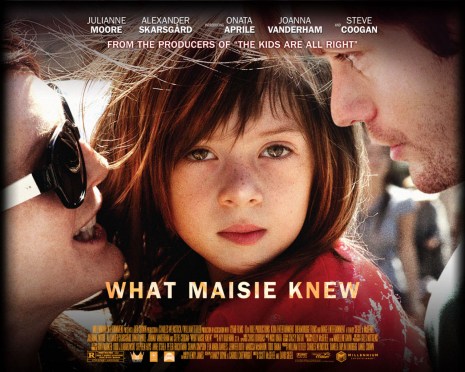 What Maisie Knew – Monday, May 13 at Lincoln Plaza Cinemas. Directed by Scott McGehee and David Siegel, written by Nancy Doyne and Carroll Cartwright. When I first
 heard of this film I thought there was something familiar about the title. Then I found out it was based on a Henry James novel published in 1897, which I was aware of, but had not read. The title is intriguing and feels rather modern for a book that came out 116 years ago. I was curious to see how this source material would be adapted to the present day. After seeing the film, I checked out a synopsis online and saw that the premise of the book is followed fairly closely, though James’ novel covers at least 10 years while the film seems to show us less than a year.


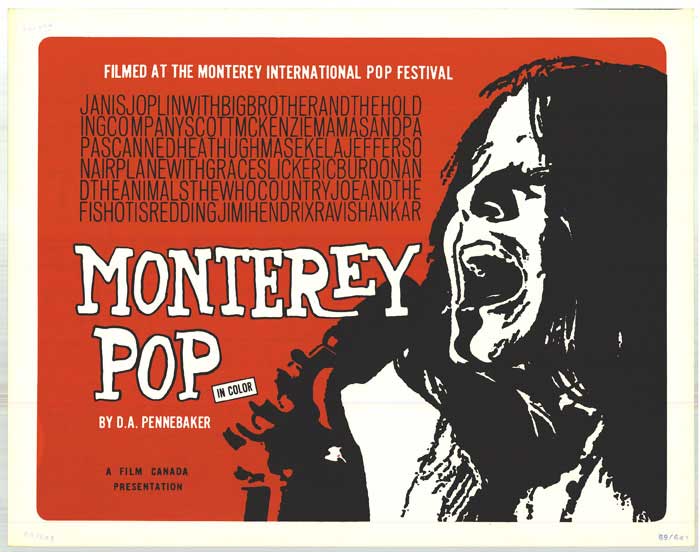


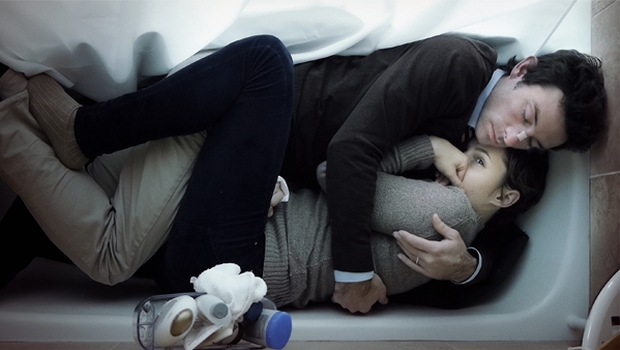

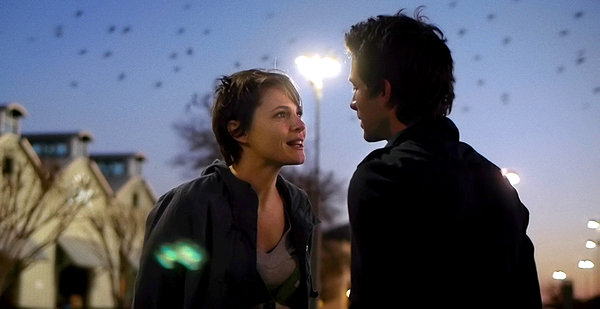
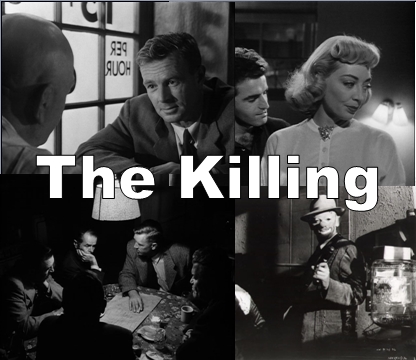
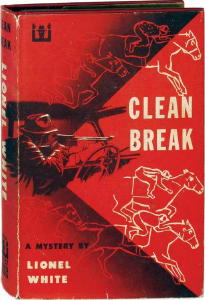
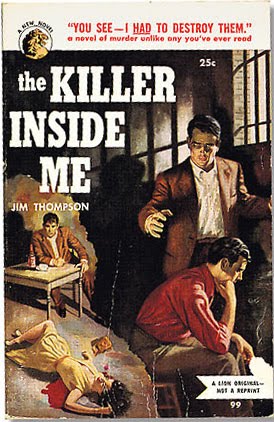
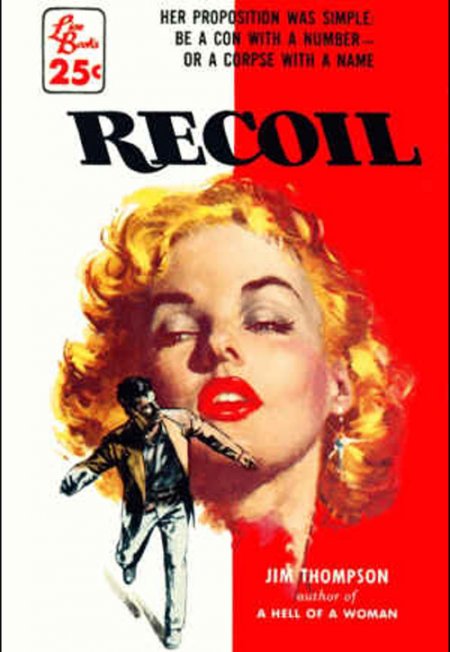
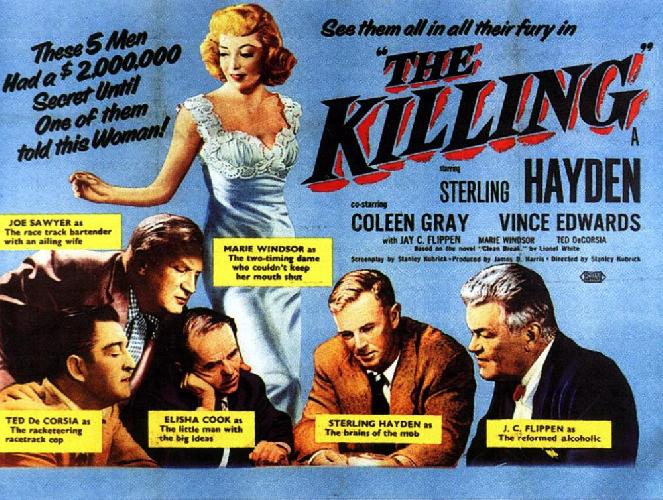
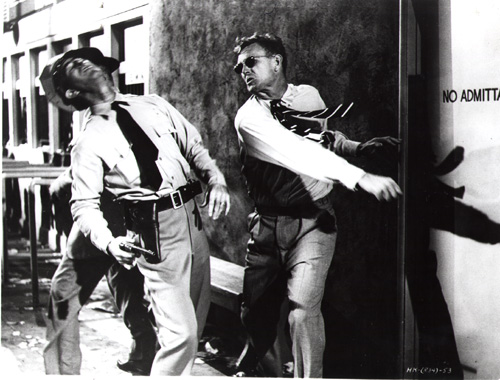
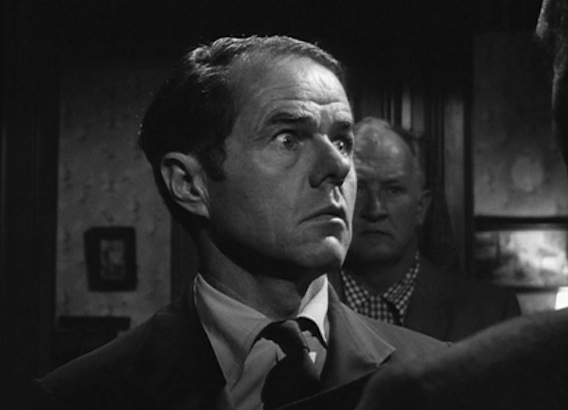
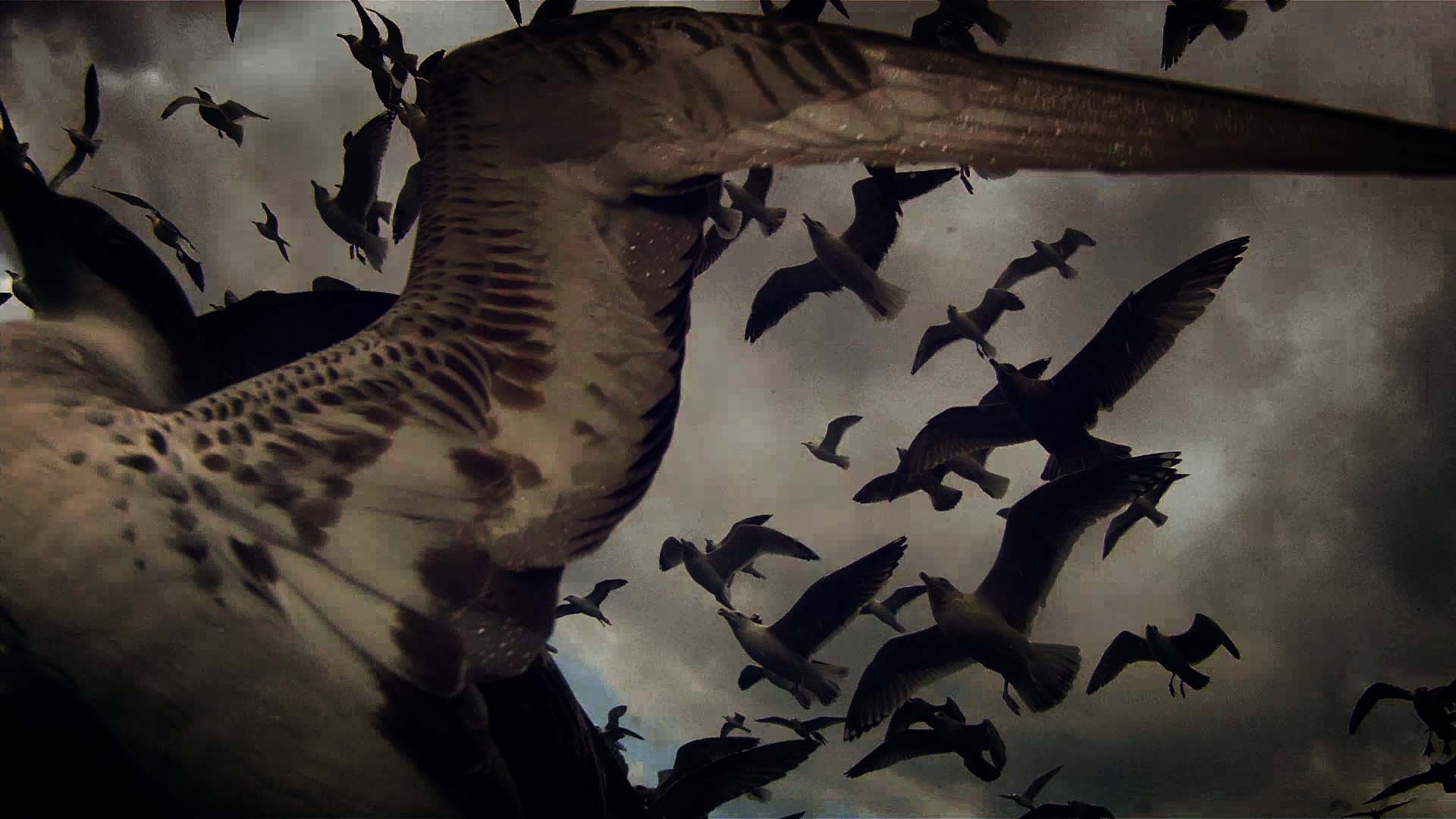
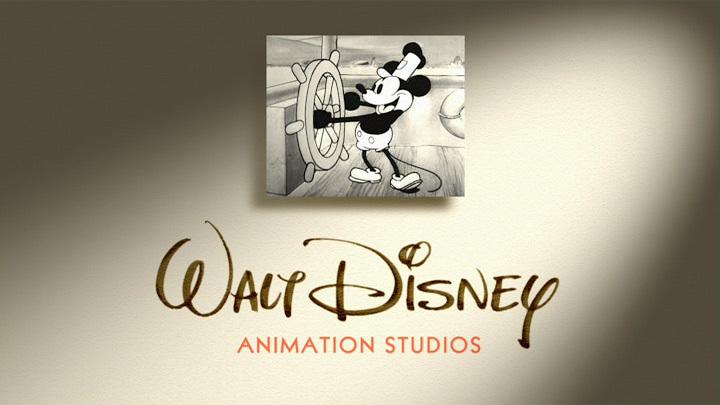

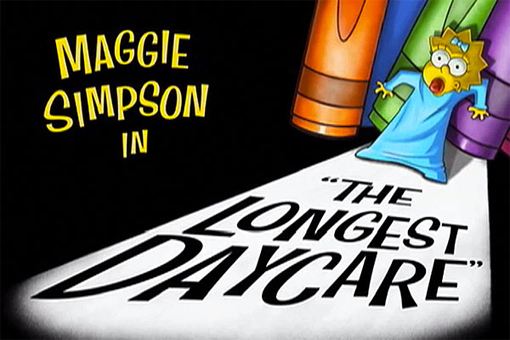
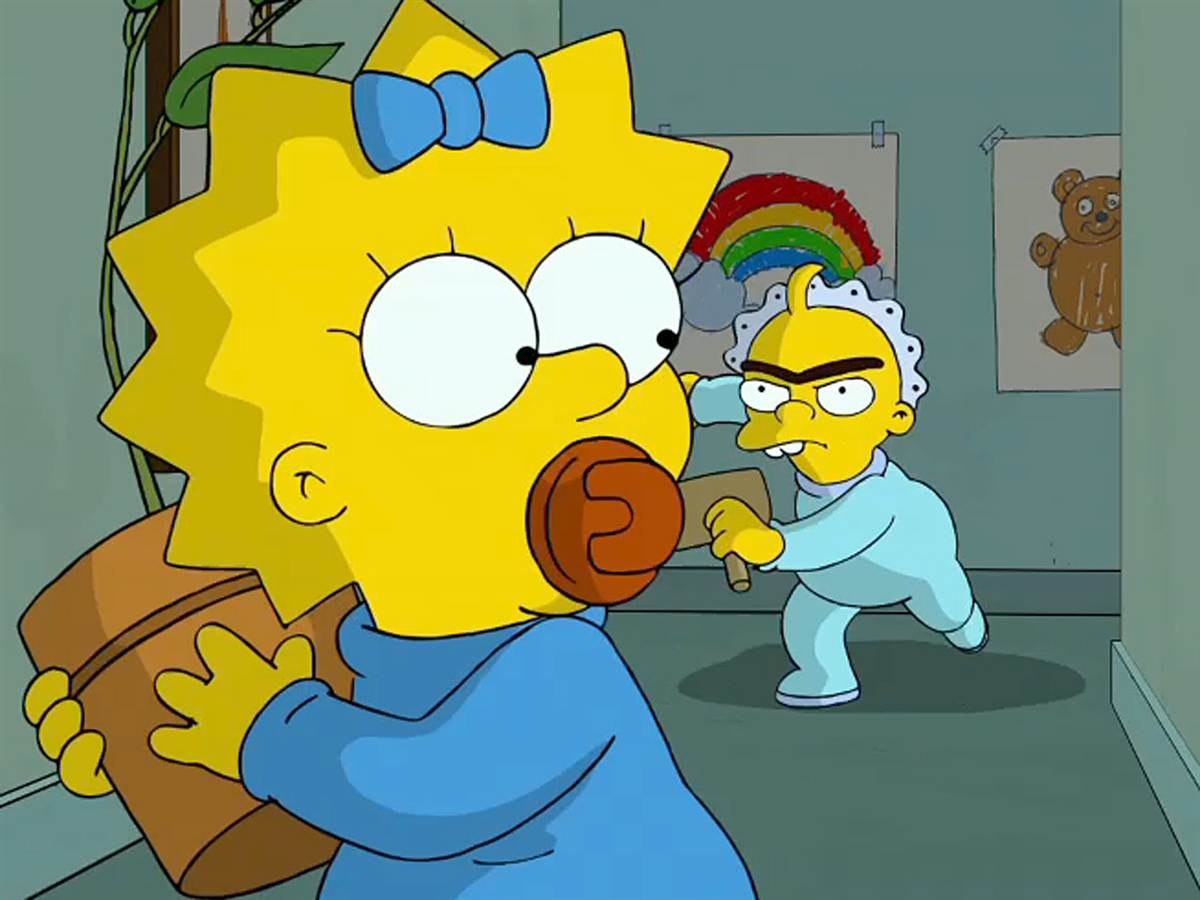


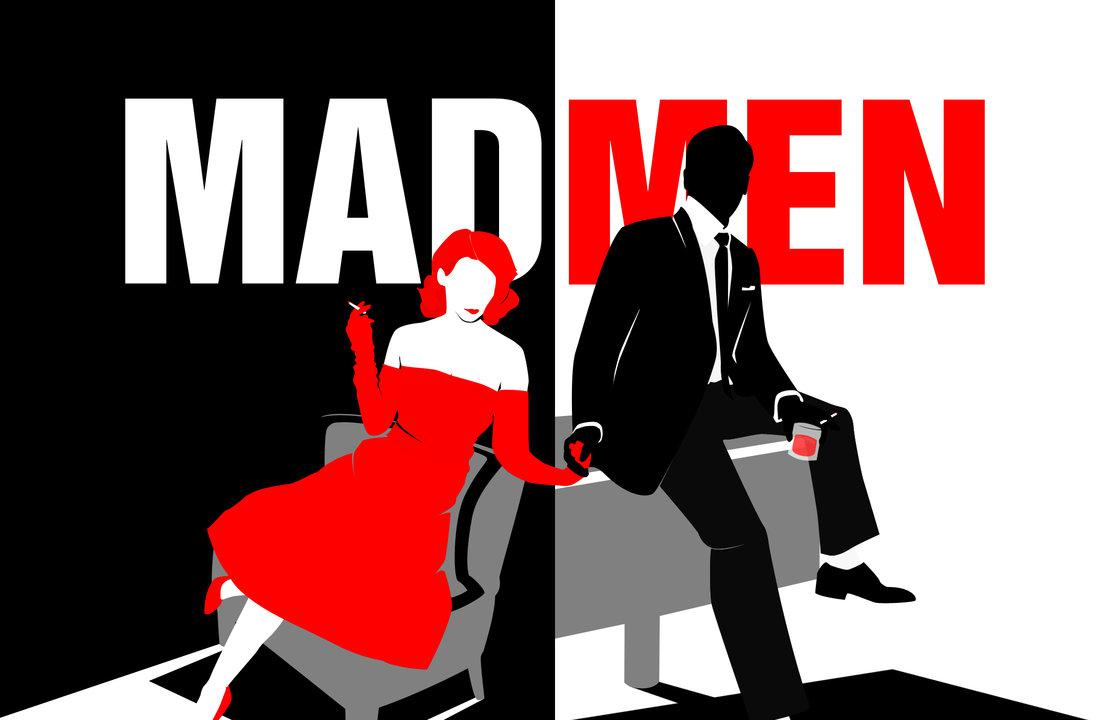



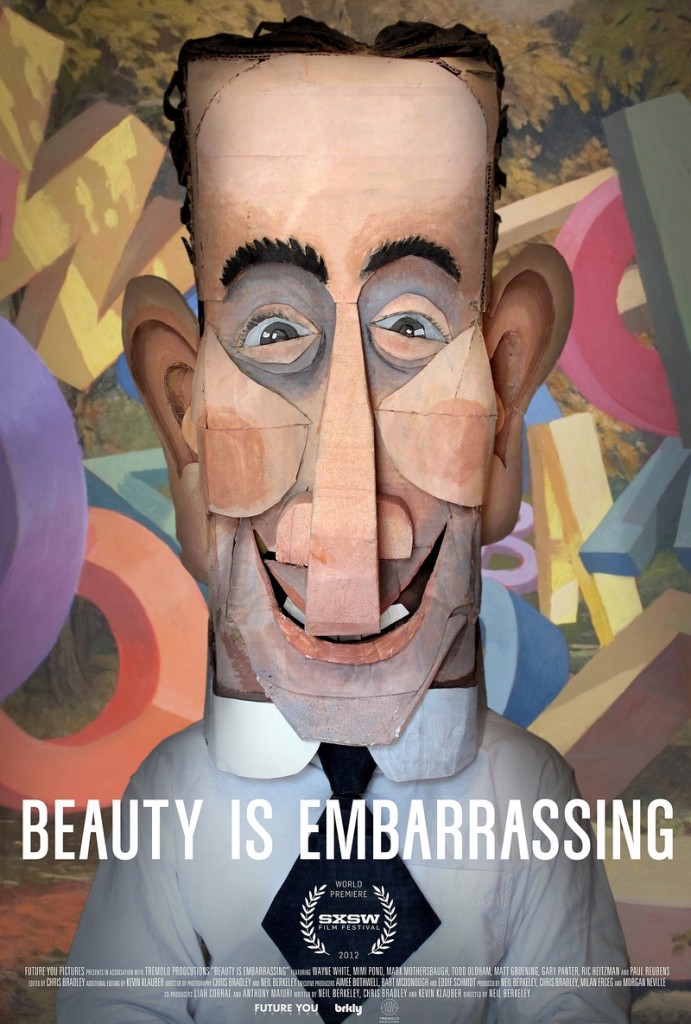
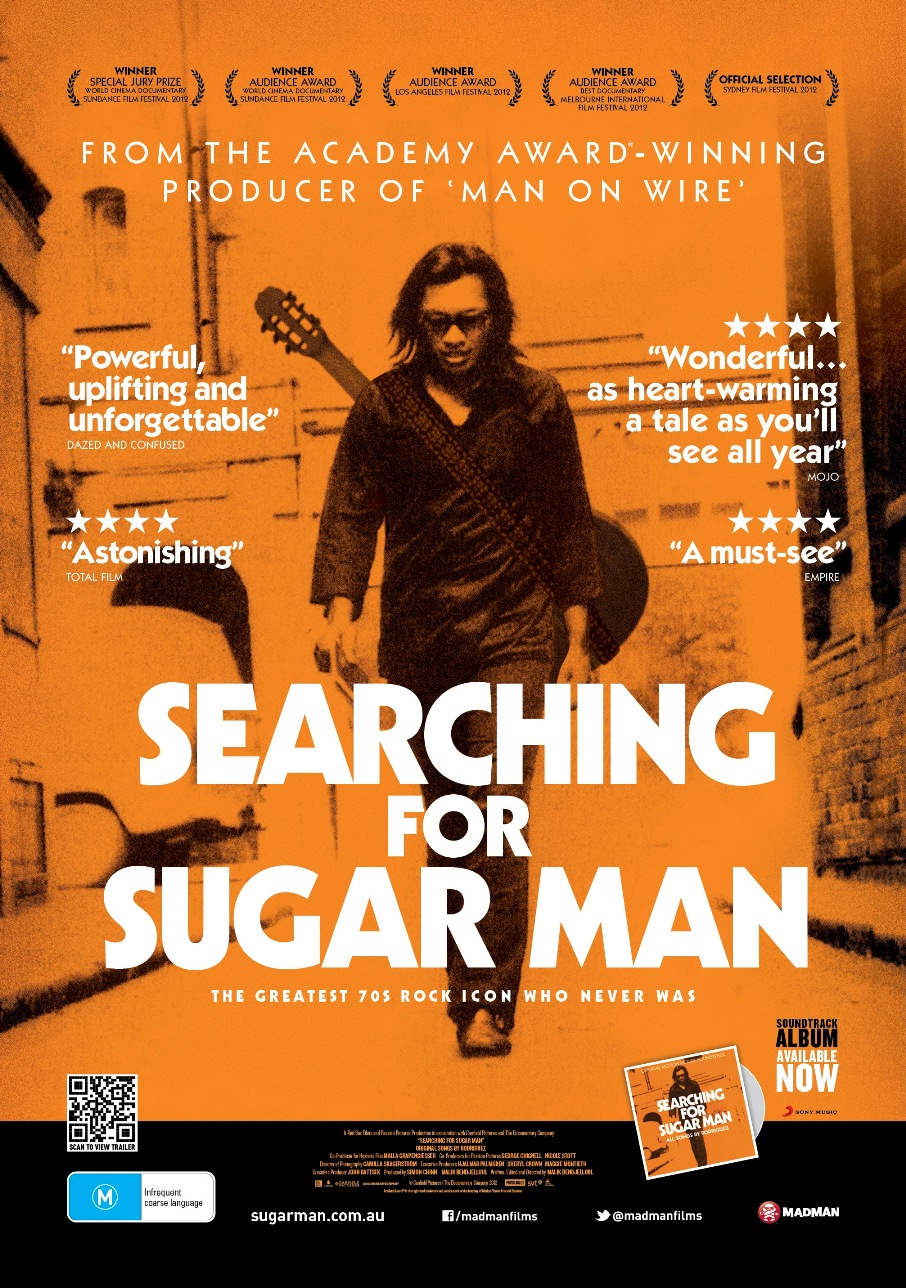
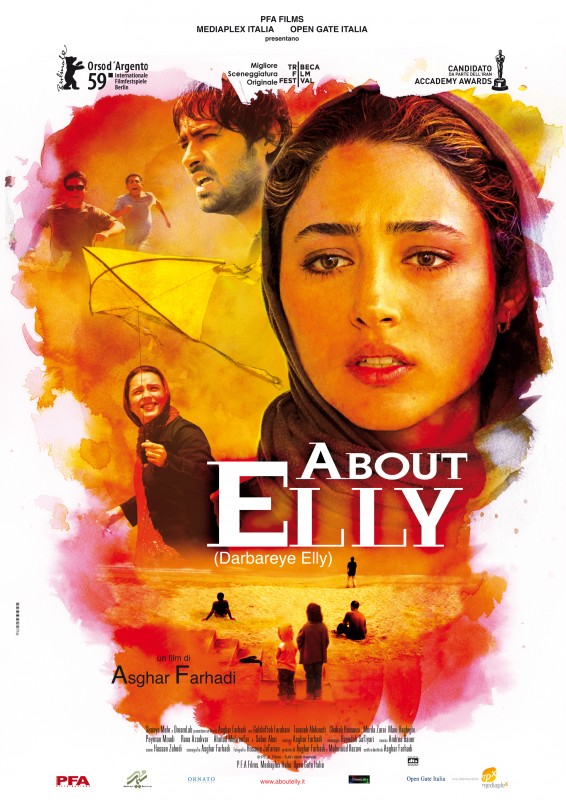

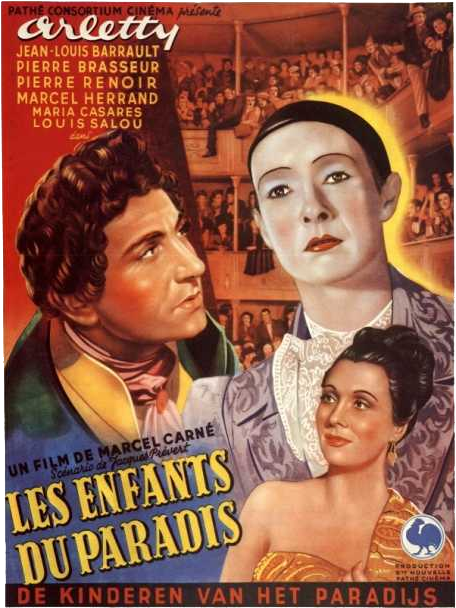
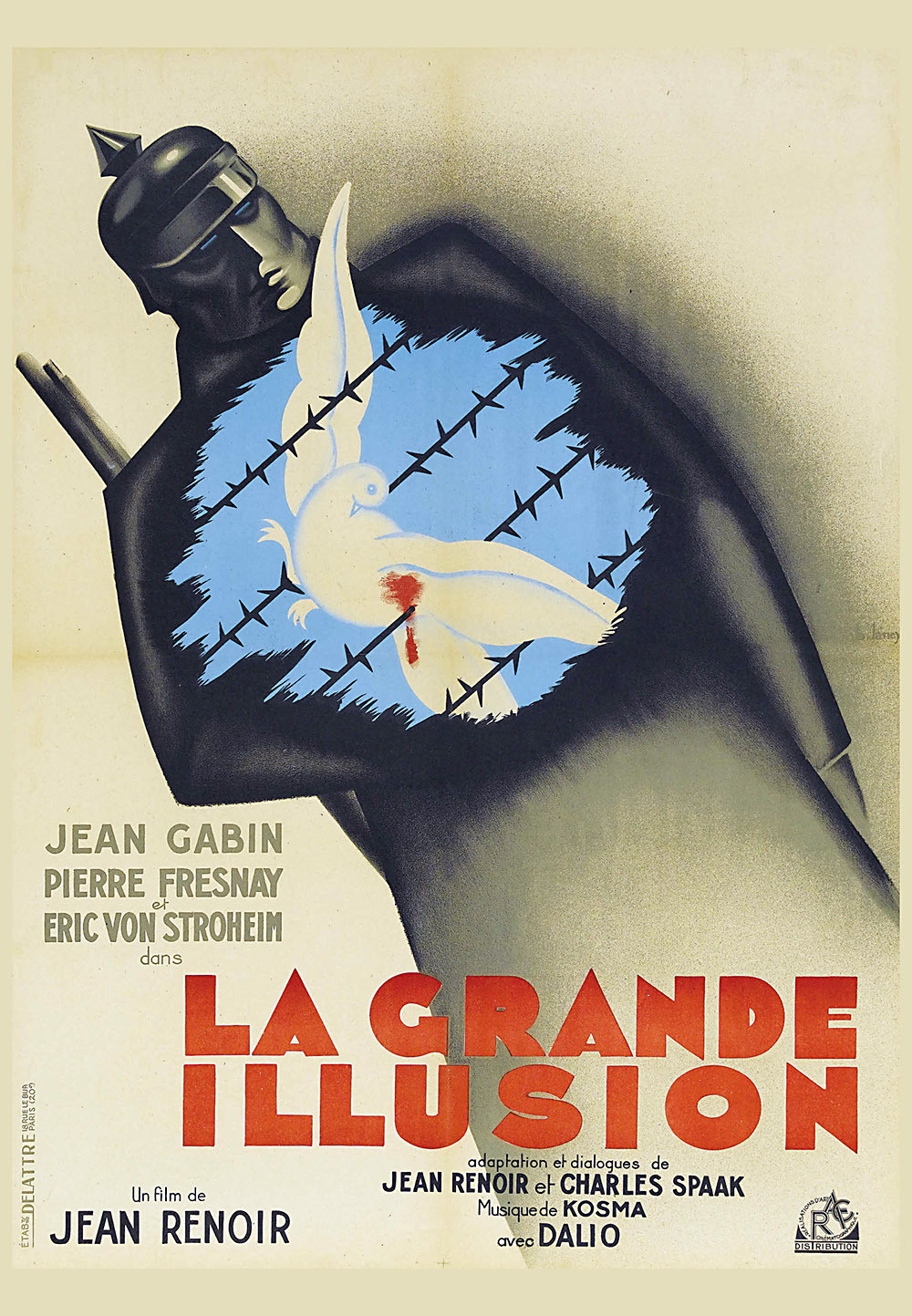
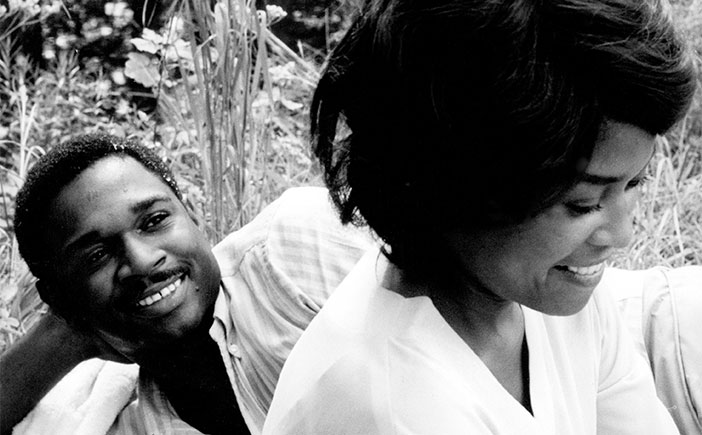
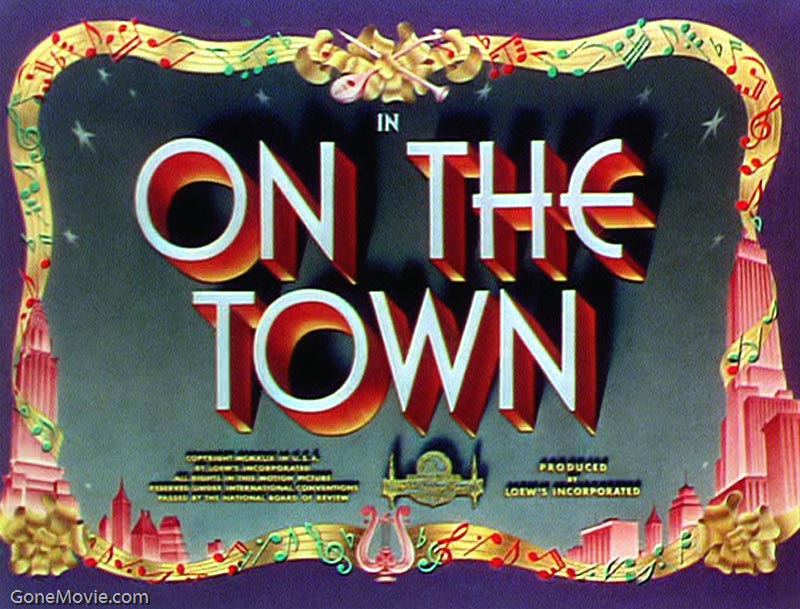
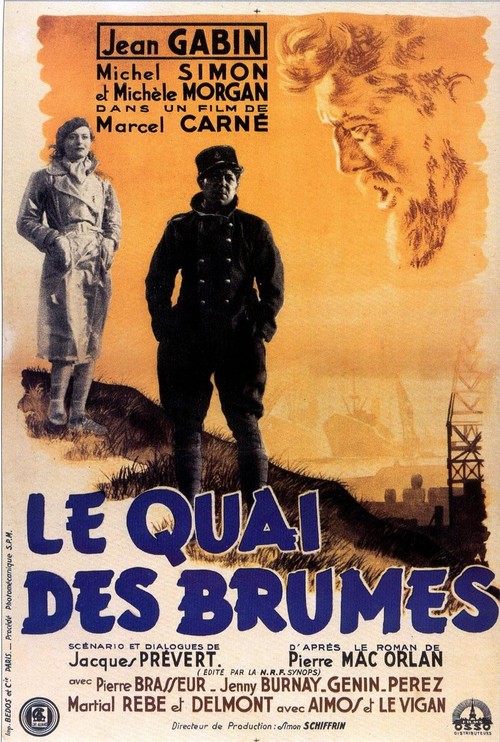

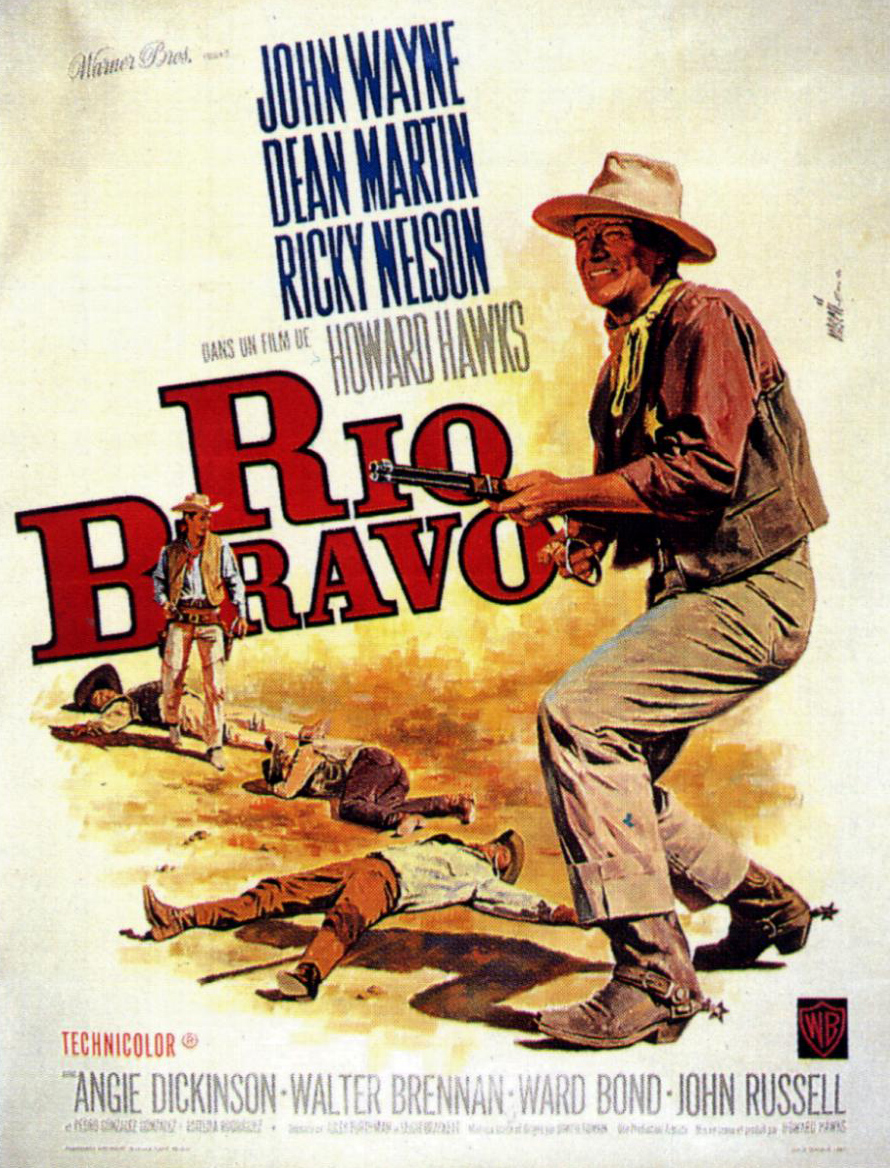


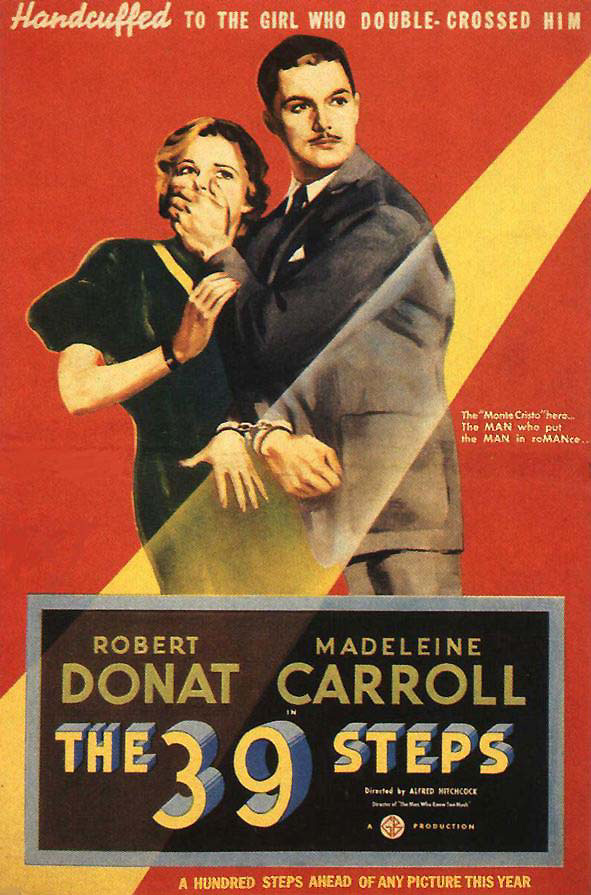
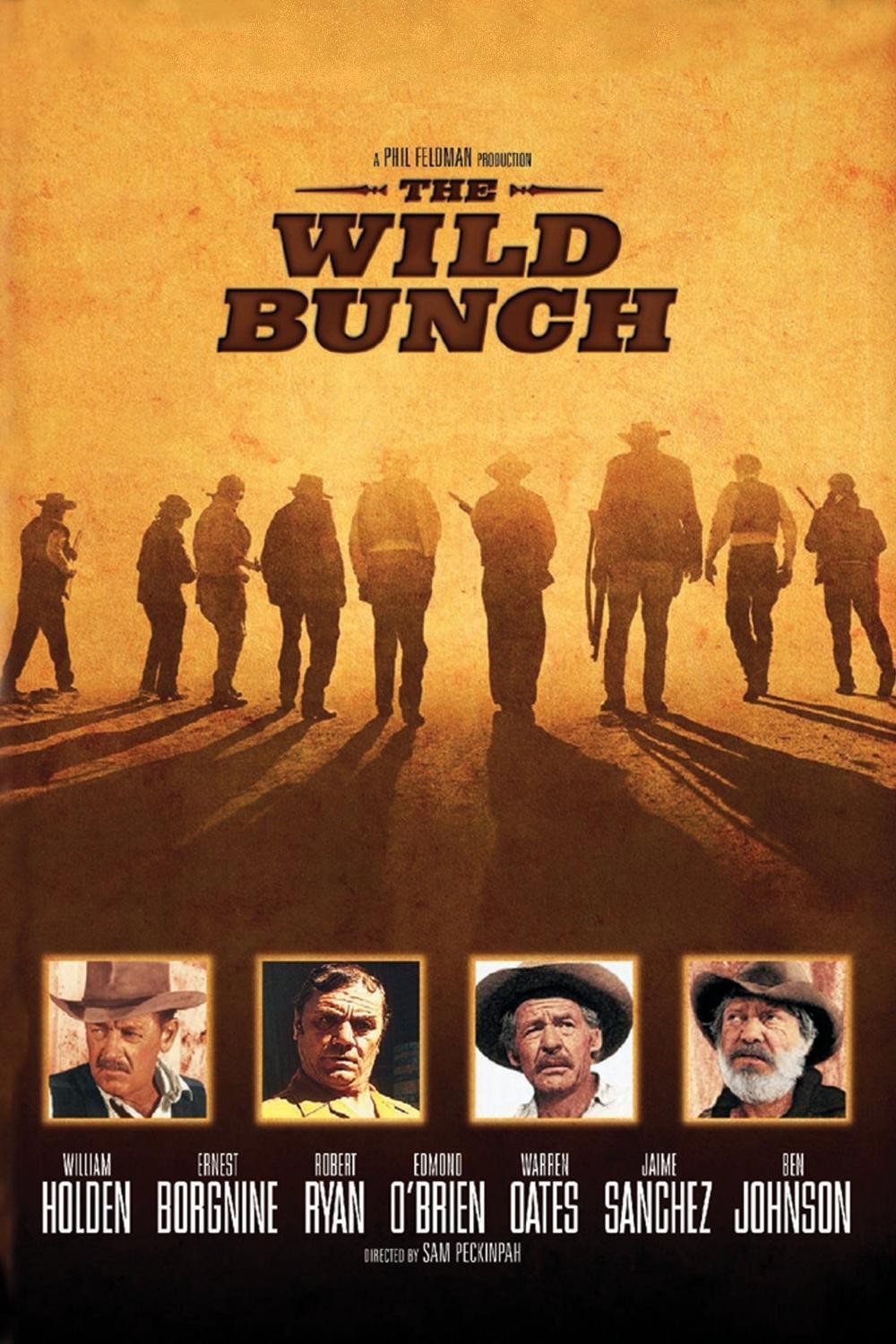


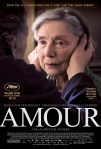


 Films etc.