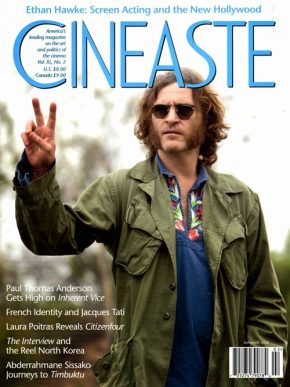
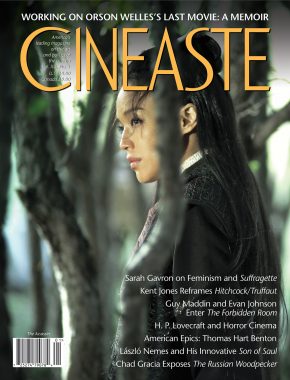
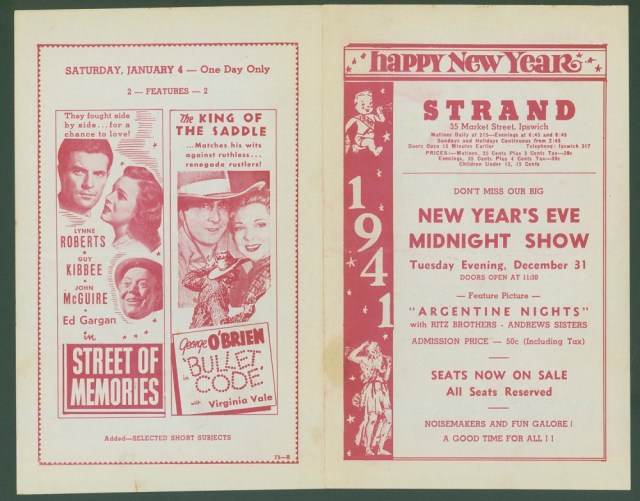
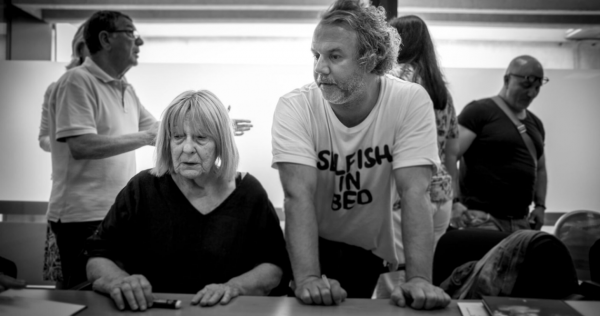
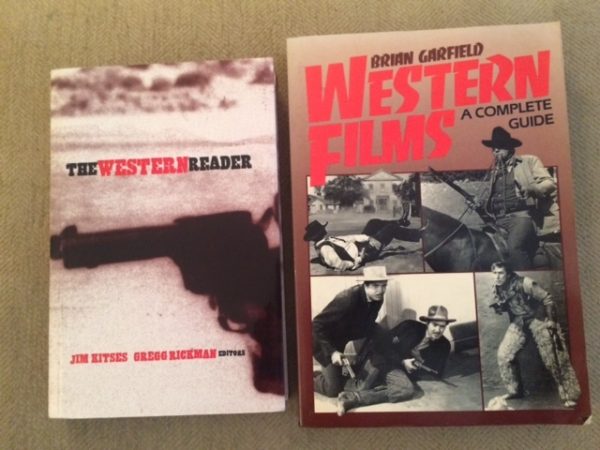
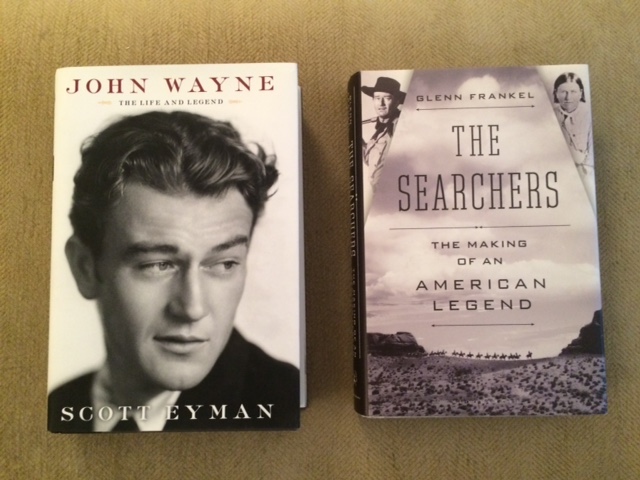
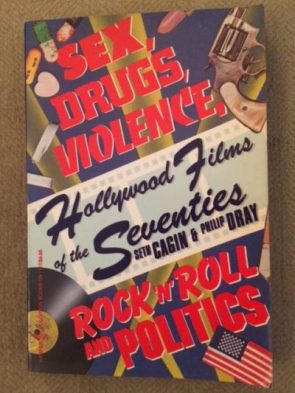
Happy New Year + Things to Come

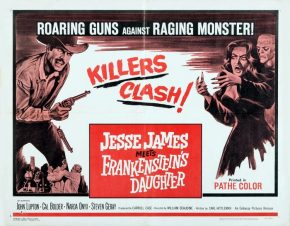
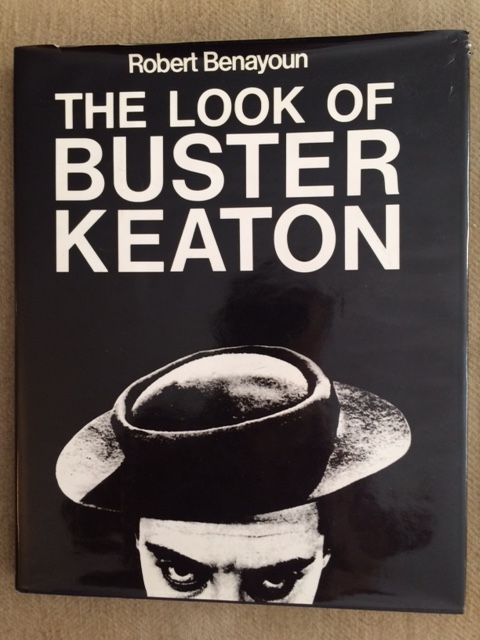
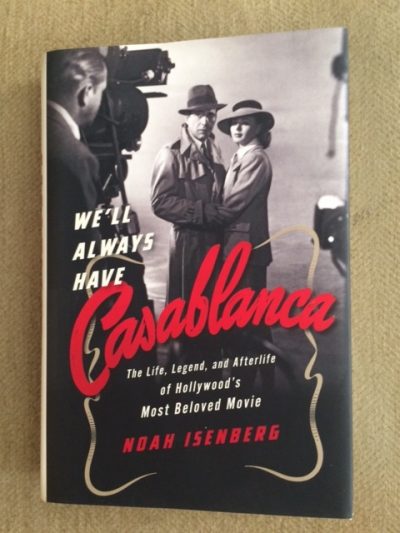
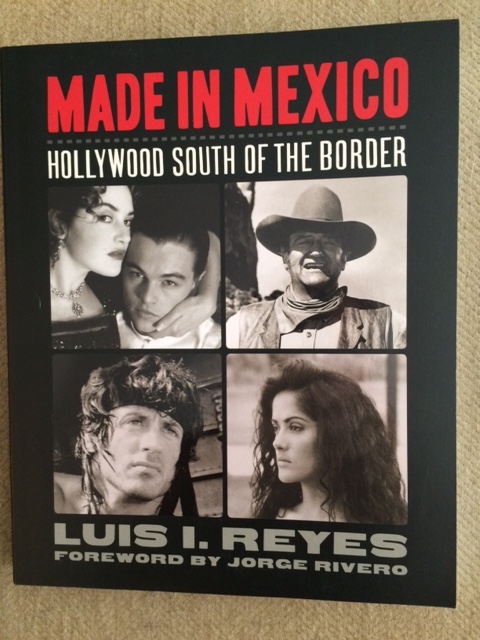
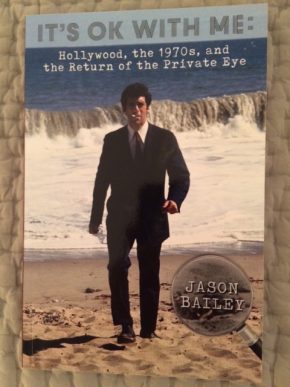
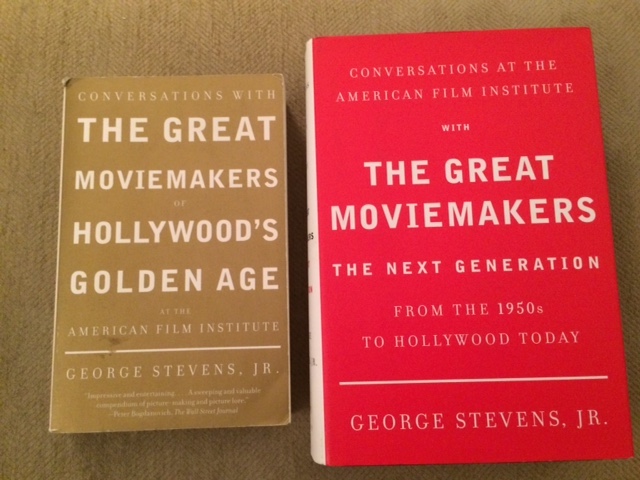
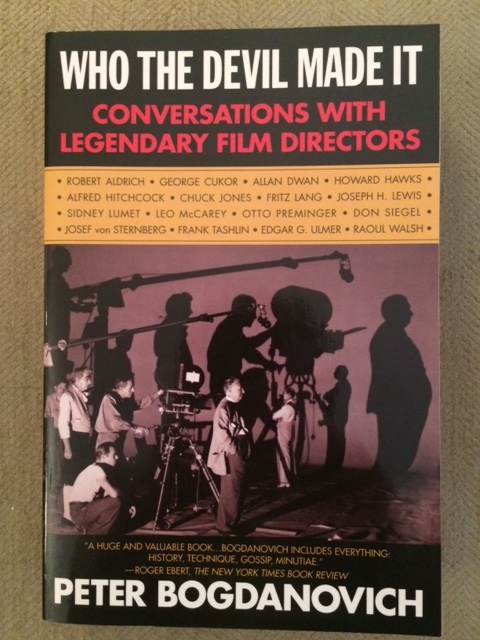
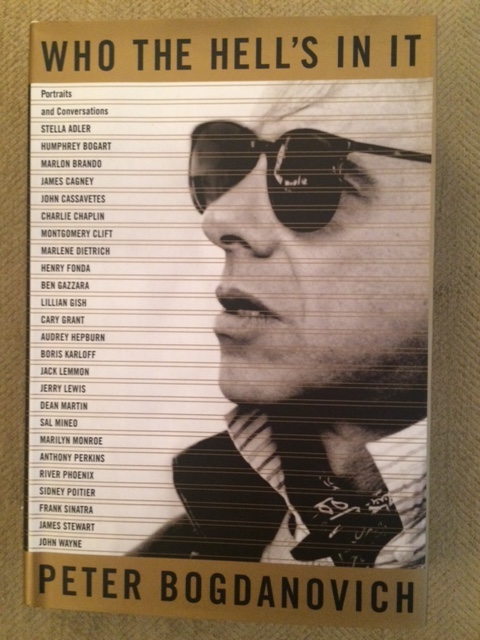
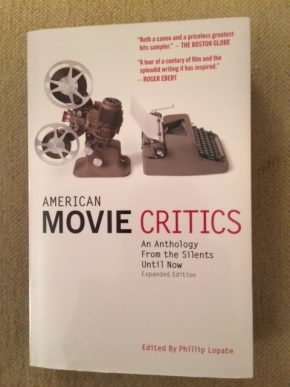
Usually I’ll do a Happy New Year post by just putting up a bunch of random stuff like this…

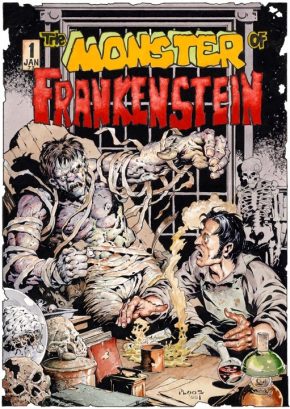
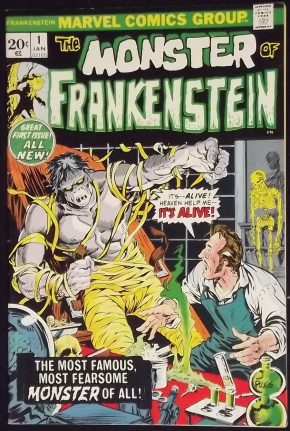
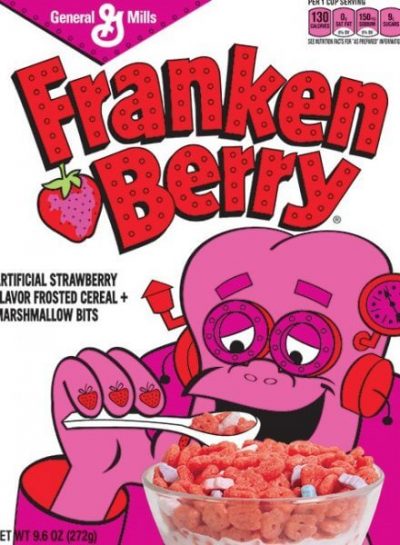
or this…

But this year I thought that instead I’d list some of the films I’m looking forward to in 2020. I have hopes for all of these, but you never know. Though in the case of three of them, I do, since I’ve already seen them.

__________________________________________________

The Rhythm Section (Reed Moreno, director)  Looks like a revenge story, nothing new there, but the trailer got my interest, plus I like Blake Lively and Jude Law. The Rhythm Section opens on January 31.

_____________________________________________________

Emma (Autumn de Wilde, director)  The title character is played by Anya Taylor-Joy, who has a rather other-worldly look. I remember her well from a very interesting and nasty little film titled Thoroughbreds (2017). Plus I’ll see anything with Bill Nighy in it. Emma opens on February 21.

______________________________________________________

Underwater (William Eubank, director)  From the trailer this looks to be yet another horror thriller with “gotcha!” jolts. At least, that’s how the trailer sells it. Alien underwater. The attraction for me is Kristin Stewart, who gets more interesting with every film. French actor Vincent Cassel is also in it. Familiar set-up, but it’s all in the telling. Underwater opens on January 10.

___________________________________________________

The Invisible Man (Leigh Whannell, director & writer)  Elizabeth Moss is the draw for me here. I doubt there’s much left of H.G. Wells, but we’ll see.

____________________________________________________

Les Misérables (Ladj Ly, director & co-writer)  Looks very tough. This film has already received many nominations and awards in numerous international film festivals. It opens here on January 10.

__________________________________________________

Portrait of a Lady on Fire (Céline Sciamma, director & writer)  I saw this during a limited run earlier this month. It’s extraordinary, a film by women about women that feels quite different. Men are present more by their absence than anything else. It opens on February 14, which will make for a very interesting Valentine’s Day.

____________________________________________________

Wendy (Behn Zeitlin, director & co-writer)  Anyone who saw Zeitlin’s Beasts of the Southern Wild (2012) will know to expect something different in what appears to be a radical re-imagining of Peter Pan. Wendy opens on February 28.

___________________________________________________

Zombi Child (Bertrand Bonello, director & writer)  I saw this at the New York Film Festival a few months ago and knew it was special. This is not the kind of zombie movie we’ve come to expect since Night of the Living Dead changed the game in 1968. This feels more like the real deal. Switching back and forth between Haiti in 1962 and an elite girls’ school in present-day France, Zombi Child is a deeply unsettling film. It opens on here on January 24.

___________________________________________________

The Whistlers (Corneliu Porumboiu, director & writer)  I also saw this at the New York Film Festival and loved it, as I had this director’s earlier film, Police, Adjective (2009). Both films are concerned with language and modes of communication and they’re both terrific. The Whistlers is also noir to the hilt. As A.O. Scott wrote in his New York Times review, “If the Coen Brothers were Romanian, they might have made The Whistlers.” Indeed. It opens on February 28.

__________________________________________________

No Time to Die (Cary Joji Fukunaga, director)  I mean, come on, it’s JAMES BOND! Sam Mendes did a great job with the two previous Bonds, especially Skyfall. I wish he’d directed this one, but I liked what Fukunaga did with True Detective on HBO, so I’m hopeful.

____________________________________________________

Wonder Woman 1984 (Patty Jenkins, director & co-writer)  I liked the first one that Jenkins made in 2017. Gal Gadot was stupendous in the title role, and I have high expectations (always risky) for this sequel, which opens on June 5. Chris Pine, another actor I like a lot, is also back, though his character appeared to have died a glorious sacrificial death in the first film. I guess you’re never really dead in these films. Okay with me.

__________________________________________________

Tenet (Christopher Nolan, director & writer)  Nolan is one of those directors, such as Michael Mann and David Fincher, whose films seem to have actual, physical weight. You can feel it. Very few details about Tenet have been revealed, but from the trailer it seems that some aspect of time travel may be involved. Dunkirk is a hard act to follow, but I’m sure Nolan is up to it. Tenet opens on July 17.

__________________________________________________

That ends the previews portion of the program. All that’s left is to wish everyone HAPPY NEW YEAR! See you next decade. — Ted Hicks

___________________________________________________

____________________________________________________

________________________________________________

Posted in Feature films, Film | 4 Comments

“Shooting the Mafia” – Supplemental

KIM LONGINOTTO – Director

(From press notes provided by Cohen Media Group, the film’s distributor)

Kim Longinotto is a multi-award-winning documentary filmmaker, well known for
making films about female outsiders and rebels. Among her 20 films, she has followed a teenager struggling to become a wrestling star in
Gaea Girls (2000), looked at runaway girls in Iran in Runaway (2001), challenged the tradition of female genital mutilation in Kenya in The Day I Will Never Forget (2002), introduced Cameroon female judges in Sisters in Law (2005) and brave South African child advocates in Rough Aunties (2008), shown women standing up to rapists in India in Pink Saris (2010), and told the story of an Indian Muslim woman who smuggled poetry out to the world while locked up by her family in Salma (2013). Longinotto’s most recent film, Dreamcatcher (2015), looks at the life and work of an ex-prostitute who rescues Chicago girls from the street.

________________________________________________

DIRECTOR’S STATEMENT

(From the press notes)

Letizia Battaglia is a gifted photographer and an irreverent woman. In SHOOTING THE MAFIA, we explore the story of this remarkable Sicilian, who has defied male authority, her society’s culture and the all-pervasive Mafia, her entire life.

Letizia not only challenged and infuriated the Mafia by bravely photographing their crimes, but was also outspoken at a time and in a place where this was unheard of.

We were determined to make a film that could do her justice. Working with our wonderful editor, Ollie Huddleston, we have woven together archive, classic Italian films, Letizia’s home movies, on-the-spot TV news, and our own filmed footage to take the audience on a journey through the life of this passionate woman.

Letizia’s photographs are astonishingly graphic but they also, strangely, have a kind of heart- stopping beauty. You can sense the resolve of the person behind the lens, a kind of clear-eyed reckoning of unpunished crimes. She is standing up to the bullies and showing great courage to reveal their cowardice.

She is my hero for doing that. – Kim Longinotto

________________________________________________

_______________________________________________

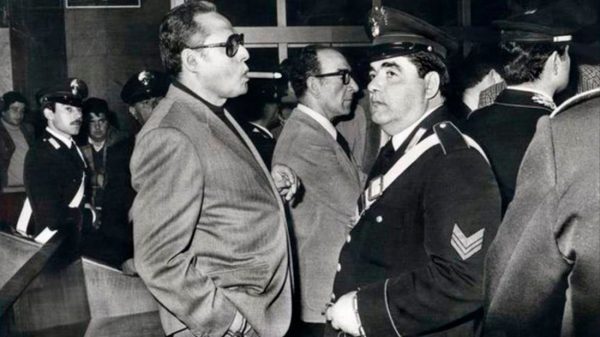
Luciano Liggio was a big shot in the Sicilian Mafia. Guess which one he is in the photo below, taken by Letizia Battaglia (Hint: He’s the guy in a shiny suit and dark glasses, sucking on a cigar. Not too obvious.)

Letizia talks about Liggio in the following clip.

__________________________________________________

LETIZIA BATTAGLIA

(From the press notes)

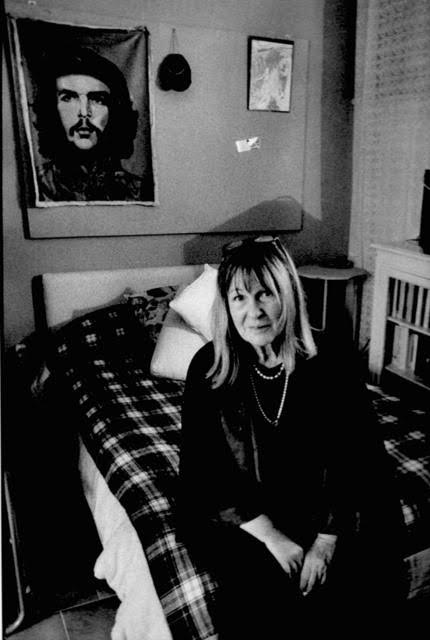
Letizia Battaglia was born in Palermo, Sicily in 1935. Married at 16, she took up journalism after her divorce in 1971, while raising three daughters. She picked up a camera when she found that she could better sell her articles if they were accompanied by images and slowly discovered a passion for photography. In 1974, after a period in Milan during which she met her longtime partner, photojournalist Franco Zecchin, she returned to Palermo to work for the left-wing L’Ora newspaper until it folded in 1990.

Battaglia (the name means “battle” in Italian) took close to 600,000 images as she covered the territory for the paper. Over the years she documented the ferocious internal war of the Mafia, and its assault on civil society. Battaglia sometimes found herself at the scene of four or five different murders in a single day. Battaglia produced many of the iconic images that have come to represent Sicily and the Mafia throughout the world. She photographed the dead so often that she was like a roving morgue. “Suddenly,” she once said, “I had an archive of blood.” Her photographs were described by the New York Times as “by turns gruesome, haunting, tragic and, often, achingly poetic.”

Battaglia also became involved in women’s and environmental issues and the rights of prisoners. For several years she stopped taking pictures and officially entered the world of politics. From 1985 to 1997 she held a seat on the Palermo city council for the Green Party. She was instrumental in saving and reviving the historic center of Palermo. She founded a publishing house, Edizioni della Battaglia, and still publishes a monthly journal for women, Mezzocielo.

____________________________________________

In my previous post on this film, I neglected to mention the excellent music score by Ray Harman, as well as the inspired use of two versions of the classic song, “Volare.”

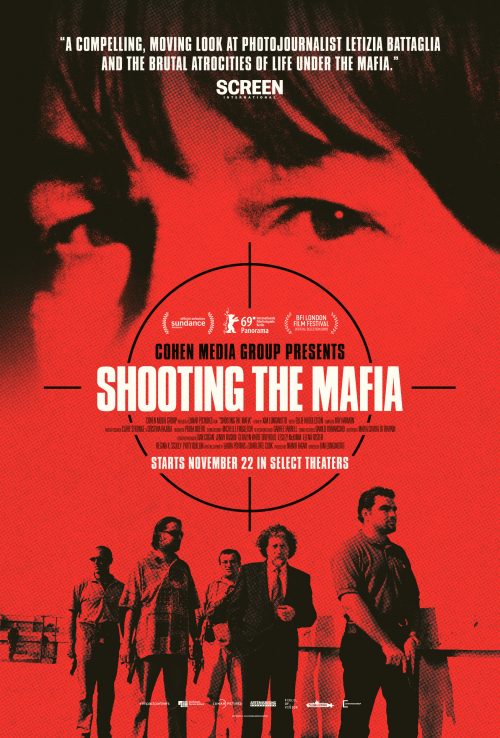
Also, in addition to opening on Friday, November 22 at the Quad Cinema in New York, Shooting the Mafia is also opening the same day in Santa Monica, CA.

On Friday, November 29 it opens in San Francisco at the Landmark Opera Plaza Cinema; in Washington, DC at the West End Cinema;  and in Phoenix, AZ at the Harkins Shea 14.

Big thanks to Susan Norget at Susan Norget Film Promotions for this updated release information, and especially for the screener link that enabled me to see Shooting the Mafia again, which provided an abundance of detail I would not have otherwise have had, and hopefully made this a better piece.

That’s all for now. See you at the movies. — Ted Hicks

___________________________________________

Posted in Art, Books, Documentaries, Feature films, Film, Film posters, History, Home Video, photography, Streaming, TV & Cable | 1 Comment

“Shooting the Mafia” – An Archive of Blood

“I was saved by photography. I was a young, intelligent, desperate woman. My encounter with photography allowed me to express my thoughts, my rebellion, my social and political commitment.” — Letizia Battaglia

This astonishing documentary, directed by Kim Longinotto, is focused on the remarkable career and life of Letizia Battaglia, an Italian photographer and photojournalist best known for her coverage of the Mafia in her native Palermo, Sicily during the blood-soaked 1970s and 1980s. Letizia narrates the film throughout in voice-over and on-camera interviews, telling her story openly and directly. She doesn’t pull any punches. Archival footage and clips from classic Italian movies are used to support and comment on what she tells us. This film is more of a portrait of Letizia Battaglia than it is about the Sicilian Mafia, though that’s the most sensational aspect of her story.

Unless otherwise noted, all quotes in this piece are hers from the film.

Letizia was born in 1935 in Palermo. She describes a key event from her childhood. As a young girl, when she left the house on her own for the first time, a man exposed himself to her and masturbated. She ran home in shock. She wasn’t allowed out any more. “They stopped me from living, from growing. I was stunted. My father forced me to stay at home. He took away my freedom. All my dreams were shattered like a china cup on the floor. Why do such small things make us suffer all our lives. That awful man in the shadows. To have a father who controlled your whole life. I couldn’t go on the balcony in case a man saw me. All fathers at that time were obsessed. They were scared of other men who’d take their daughter away.”

Ironically enough, she met her future husband on the street. He was rich and eight years older than Letizia, who was sixteen. They married and had three daughters, but she was not happy. Like her father, her husband was controlling. She wanted to go to school, but he wouldn’t let her. She had greater ambitions. “I didn’t want to be just a mother.” They divorced in 1971.

Letizia began taking photographs at age 40. She got a job with L’Ora, a left-wing newspaper in Palermo. She was the first female photographer in Italy to work for a daily paper. “Little by little, I realized I preferred taking photos to writing. I didn’t want to be a journalist. With photography, I could tell my own story. I could feel it rather than understand it… I loved the way I could express myself with a camera rather than writing. I slowly fell in love with it… I loved being a photographer, showing what I’d seen, what I felt inside.”

“At first, I didn’t think about the Mafia. I thought I’d photograph children, women, streets…anything but the Mafia. Three days after I started, I witnessed my first murder. This was a story that lasted 19 years at the newspaper in Palermo.”

“At times, there were 5 murders a day. Once there were 7, all in the same place. We’d never known a slaughter like it. It was civil war in Palermo. In one year, they killed about 1,000 people. Every day I thought they might shoot me. I got used to it, accepted it. They smashed my cameras. I was spat at. I got death threats over the phone. I got anonymous letters. It was good to be a bit crazy. It gave me courage. I am brave, I see that now.”

When Letizia Battaglia says she is brave, this is a statement of fact, rather than ego.

____________________________________________________

“There were times when fear took over. I don’t want to think about pain. My photos of the Mafia, of the dead. I wanted to burn them…I dreamed of burning my negatives, but I have no right. I want to take away the beauty that others see in them. I want to destroy them… I look at my photos, it’s just blood, blood, blood.”

_______________________________________________

“Kids dream of being important. Perhaps being a killer is a game, but it’s how they hope to be powerful. The killer is a symbol for them.”

_________________________________________________

I made a note when I saw it that the film is like a thriller. It becomes most like one when the Mafia starts killing judges. At first, it was Mafia killing Mafia. Later, they killed men from the establishment. “First, they killed Judge Scaglione. Then it was one after another. It was too much.” Another judge was murdered near her newspaper office. We meet Judge Giovanni Falcone, who brought hundreds of Mafia members to court. A huge Mafia trial in Palermo in 1987 had 474 defendants who observed the proceedings from cages in the back and sides of the courtroom. This footage is something to see.

Letizia refers to  Falcone as a modern hero.“We kept telling him, ‘They’ll kill you.’ He’d say, ‘Don’t worry. If I die, others will take my place.’”

Falcone, his wife, and a number of his bodyguards were killed in a highway bombing on May 23, 1992. Two months after Falcone’s death, his close friend and colleague Judge Paolo Borsellino was killed on July 19.

Paolo Borsellino (left) & Giovanni Falcone (right)

Letizia says of Falcone’s death, “I couldn’t take any photographs. I didn’t want to tell any more stories in blood. I loved Falcone so much. He was one of the really good people. I couldn’t photograph him dead. Now I think, ‘Why not?’” And then, to the off-camera film director: “Why are you making me think about this? I don’t want to. I realize now I’ve never been at peace. It’s always been like this. My life has always been a struggle.”

___________________________________________

Letizia Battaglia comes across as a definite piece of work, a truly individual character, a force of nature. She’s pursued her life with passion and enthusiasm, and a strong sense of justice. Someone says in the film, as we see Letizia being warmly greeted by people on the street, “Letizia is a legend. A flash of red hair, bobbing up and own at rallies. She’d always cause a stir.”

“It’s nice when your work is appreciated, but success tires me out. I prefer love. Recently I’ve met someone… I was 38 when he was born.” She’s referring to Roberto Timperi, a photographer. They’re together now. A previous long-term relationship was with another photographer, Franco Zecchini, who was 22 when he met Letizia in 1974 when she was 40.

Letizia with Franco Zecchin

Letizia with Roberto Timperi

__________________________________________

“I don’t feel guilty. I know my behavior hasn’t pleased my children, my lovers, my friends, but I’m not guilty of anything. I was committed to my work. I did my best. People who disapproved can fuck off.” (Like I said, she doesn’t pull any punches.)

“In my mind, I feel more powerful than ever. Stronger and more powerful. I think it’s beautiful being this old. I don’t miss anything. My mind’s sharp. I’m not afraid of the end. I’m so strong. I’m not afraid of the end.” She gives a small laugh and smiles at the camera, chin resting on her folded hands.

____________________________________________

_______________________________________________

After describing Shooting the Mafia to my wife Nancy, she said it sounded like a film that would only be made by a woman. I hadn’t thought of it like that, but she’s right. I can’t overstate my enthusiasm for this film. I hope that comes through in this piece. — Ted Hicks

_______________________________________________

Suddenly, I had an archive of blood.” — Letizia Battaglia

_____________________________________________

Shooting the Mafia opens at the Quad Cinema in New York on Friday, November 22.

Posted in Art, Books, Documentaries, Film, Film posters, History, Non-Fiction, photography, TV & Cable | 3 Comments

The Family Frankenstein – Etc.

Here are a few more Frankenstein-related items to close out this series. I couldn’t resist. The first of these is a brief interview with Boris Karloff from 1963 regarding his role as the Monster in the original Frankenstein (1931). I had intended to include this in “The Family Frankenstein — Supplemental,” but didn’t realize I hadn’t until several hours after posting it yesterday. At that time I added it to the post, but am re-posting it here for anyone who hasn’t seen it. It’s only about three and a half minutes long, but very interesting.

_______________________________________________

Son of Frankenstein (1939) was originally planned to be filmed in color. Here is a color test that was shot with Karloff to see how it would look. Watch Karloff stick out his tongue  at the camera near the end. They obviously decided to go with black and white. A good choice.

_______________________________________________

Christopher Lee speaking about Boris Karloff in 1991.

___________________________________________________

Jack Pierce, who did the makeup for many of the classic Universal monsters, designed the Frankenstein Monster with input from director James Whale. The Monster’s face is one of the most recognizable in the world. Here are shots of Pierce and Karloff in the midst of many lengthy makeup sessions. These remind me of a weird barber shop.


_______________________________________________________

In 1983, Marvel Comics published an edition of Mary Shelley’s Frankenstein with 47 full-page illustrations by Bernie Wrightson. A new edition was released by Dark Horse Comics in 2008. Anyone who has seen Wrightson’s work in comics knows how amazing it can be. Here is an example from Frankenstein. Stand back.

_____________________________________________________

This is an intelligent overview  — with excellent clips — of the entire Universal Frankenstein series.

_____________________________________________________

I’ll close with this. It’s very nicely done. HAPPY HALLOWEEN! — Ted Hicks

____________________________________________________

________________________________________________________

Posted in Books, Comics, Documentaries, Feature films, Fiction, Film, Film posters, History, Home Video, Streaming, TV & Cable | 1 Comment

The Family Frankenstein – Supplemental

Frankenstein Fake News

It was initially planned by Universal that Bela Lugosi would take the role of the Monster in the original Frankenstein (1931). Due to the heavy makeup required and the fact that the character does not speak, Lugosi reportedly rejected the role. But not before the following advertisement appeared in the trades announcing his participation. It’s interesting that this depicts a Monster the size of King Kong terrorizing a modern metropolitan city.

____________________________________________________

Universal was eager to capitalize on the enormous success of Frankenstein with a sequel. Below is an ad for an early idea. This eventually resulted in Bride of Frankenstein (1935).

____________________________________________________

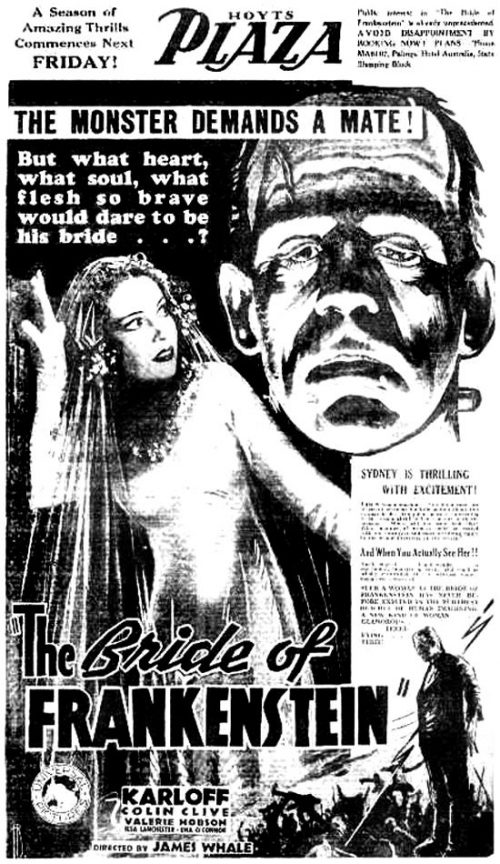
Vintage Newspaper Ads

____________________________________________________________

____________________________________________________________

__________________________________________________

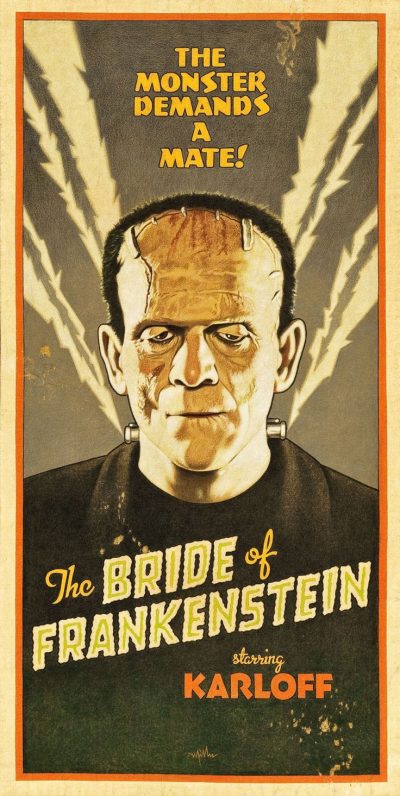
Universal Studios  Film Posters

___________________________________________________

Hammer Film Posters

_________________________________________________

Foreign Film Posters

_________________________________________________

Film Posters for Frankensteins on the Edge

__________________________________________________

Comic Books

I had a copy of this Classics Illustrated comic when I was a kid, and later some of the Monster of Frankenstein comics beautifully drawn by Mike Ploog. I don’t recall encountering any of the others, though The Frankenstein Monster vs. Winter Olympics is intriguing, if indeed it is real.

______________________________________________

Below are two versions of the same cover for Monster of Frankenstein. The one at left is a little more extreme.

________________________________________________

________________________________________________

The less said about this, the better.

_________________________________________________

Aurora Plastics Corporation sold plastic model kits mainly of aircraft and automobiles. They also had a licensing deal with Universal Studios to market model kits based on the classic Universal monsters. The first of these, in 1961, was the Frankenstein monster. Here are the assembly instructions.

________________________________________________

Basil Gogos drew nearly 50 covers for Famous Monsters of Filmland in the 1960s. These were often beautiful, and had a painterly quality. Here are some examples of his work. His rendering of Elsa Lanchester as the Bride of Frankenstein is incredible.


_________________________________________________

_________________________________________________

One of the most well-known scenes in Bride of Frankenstein is when the Monster, trying to elude an angry mob, encounters a blind hermit in his cabin. It’s the only time in the entire series when he’s treated warmly and with compassion. Below is that scene in two separate videos, followed by Mel Brooks’ version of it in Young Frankenstein (1974).

_________________________________________________

Last month I saw Depraved (2019), a modern-day update of the Frankenstein story set in New York. It was directed, written, edited, and produced (!) by Larry Fessenden. It’s quite good, very well made, and resonates with many aspects of Shelley’s novel and the earlier films. It’d no longer in theaters, as far as I know, but is available for streaming via Amazon Prime.

______________________________________________________

I also recently read that a film titled Bride of Frankenstein is in the works for release in 2021. Per IMDb, Javier Bardem is slated to play the Monster. Yesterday when I checked, Bill Condon was listed as director, but today he is not. He would be a good choice. He has a connection to the material via a film he directed in 1998, Gods and Monsters. That film dealt with the later years of James Whale and his infatuation with a hunky handyman, played by Brenden Fraser. We’ll just have to wait and see, but this is more evidence that the Frankenstein monster continues to lurk about and haunt our movie screens.

_________________________________________________________

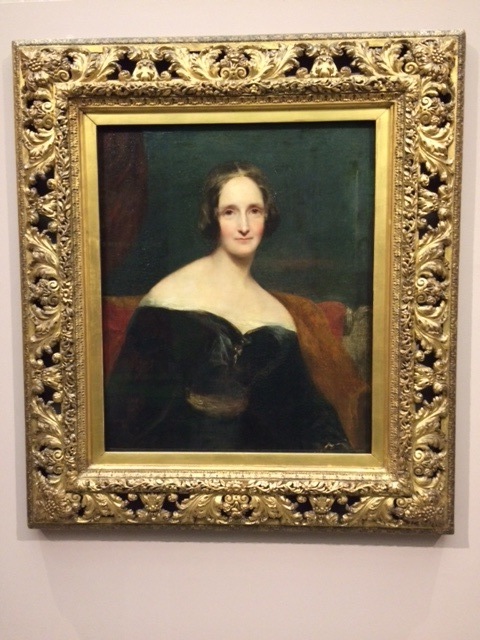
Here, in a portrait I saw at the Frankenstein exhibit at the Morgan Library, is Mary Wollstonecraft Shelley herself, the mother of all this.

__________________________________________________

Below is a 1963 interview with Boris Karloff regarding the Frankenstein films he was in. He comes across as an intelligent, decent man, and quite articulate concerning the Monster.

__________________________________________________

I think we’re at the end of this excursion. I want to close with a portrait I really like by Basil Gogos of Karloff as the Frankenstein Monster. And as Dr. Pretorius says to Henry Frankenstein while making a toast in The Bride of Frankenstein, “To a new world of gods and monsters!” — Ted Hicks

_________________________________________________

Posted in Art, Books, Comics, Feature films, Fiction, Film, Film posters, History, Home Video, Music, Streaming, TV & Cable | 4 Comments

The Family Frankenstein – A Long and Happy Life

Last year the Morgan Library in New York had an exhibit called “It’s Alive! Frankenstein at 200.” Mary Shelley‘s novel was first published in 1818. Her creation has been with us ever since, and shows no signs of going away, no matter how many times angry villagers storm the castle. Frankenstein has had a long life in films, television, radio, stage, novels, music, comics, toys, games, and even breakfast cereal. And it’s far from over. Almost too much information in this regard can be found in Wikipedia articles titled “Frankenstein in Popular Culture” and “Films Featuring Frankenstein’s Monster.”

_______________________________________________

I bought this paperback edition in 1957, but despite Boris Karloff as the “monster” on the cover, it was heavy going, too much so for a seventh grader. I still haven’t read Shelley’s novel, but I’ve seen all the movies.

________________________________________________

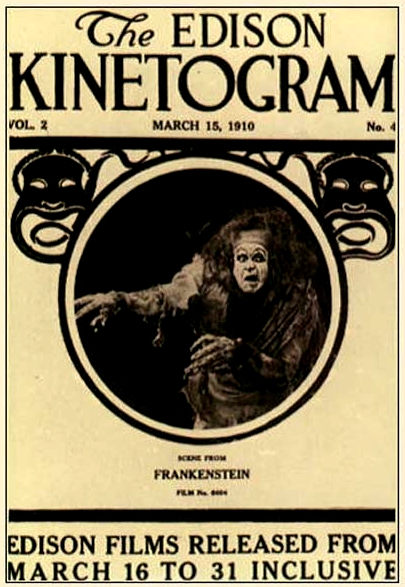
The first motion picture adaptation of Frankenstein was in 1910, written and directed by J. Searle Dawley for the Edison Studios. The film was restored by the Library of Congress in 2017. The running time is 12 minutes, 45 seconds. Here it is.

_________________________________________________

The Universal Studio Films

James Whale

The first three Frankenstein films with Boris Karloff are the ones etched in my memory. They’re simply great, especially the first two directed by James Whale, and eminently repeatable. I don’t know how many times I’ve seen them, but my initial exposure would have been via Shock Theater, a package of 52 pre-1948 horror films from Universal Studios released for TV syndication in 1957. This was followed by 20 additional titles in 1958 with Son of Shock. (I describe the importance of seeing all these classic horror films at that point in my life in a blog post from 2012, “Famous Monsters and Me.”)

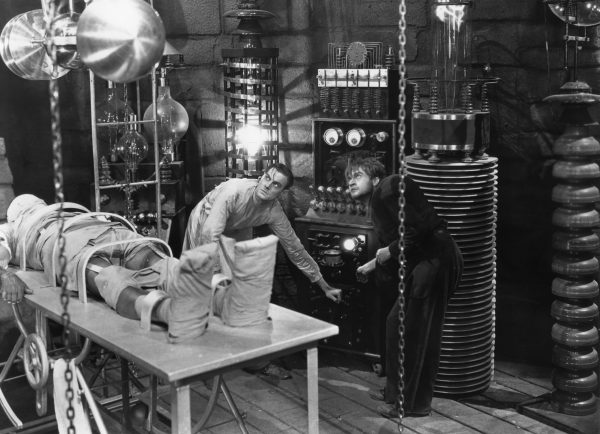
Frankenstein (1931).  James Whale was a British-born director who brought a literate, witty, and clever touch to his films. Boris Karloff had also been born in England. He had already appeared in 80 films by the time he was cast in Frankenstein at age 44. Karloff, certainly, will be forever identified with this film and the Monster. Karloff’s Monster was a tragic, lonely figure. His performance embodied that.

Before the main title and credits begin, Edward Van Sloan, who plays Dr. Waldman in Frankenstein and played Dr. Van Helsing in Dracula earlier in the year, steps from behind a curtain to speak directly to the audience, offering a “warning” about what they are about to see. There’s something arch and playful about the way he does it. The title and credits then begin, with an emphatic music theme by Bernhard Kaun. As with Dracula, there’s no music for the rest of the film, except over the cast list at the end. Not having a music score seems almost radical, considering that most films thereafter were usually overloaded with music. Without music to tell us how to feel about what we’re seeing, the images have to stand entirely on their own. It’s interesting to think about. Per the book Universal Horrors: The Studio’s Classic Films, 1931-1939, “Frankenstein, unlike Dracula, is a film that doesn’t need apologies, and rightfully stands as Universal’s first great all-talking horror movie. Countless imitations have taken a bit of the gleam off its reputation and the picture stubbornly stands in the shadow of its first sequel. To be fair, Bride of Frankenstein was a self-conscious attempt to outdo the original and had the advantage of greater resources. While Bride certainly rates as a better movie, there’s a unique appeal in the original’s simplicity and lack of pretense. And understatement. The original is one of the few films without a score that actually doesn’t need one (a credit to Whale’s alert visual style).”

A controversial moment occurs during the “It’s alive!” scene in Henry (Victor in the novel) Frankenstein’s laboratory. Overcome with excitement that he has succeeded, Henry (played by Colin Clive) cries out, “Now I know what it’s like to be God!” This line was too much for religious sensibilities of the time, and was obscured by thunder in subsequent release. It was restored some years ago.

Another censored scene is when the Monster comes upon a little girl, Maria, tossing flower petals into a lake. He happily joins her and they take turns tossing petals. When he runs out, the Monster throws Maria into the lake as well, where she drowns. For years the scene had stopped before he actually did that. As with Henry’s “blasphemous” outburst at his success in bringing a dead body to life, people felt it was too much. This scene, too, has been restored.

Henry’s hunchbacked assistant, Fritz, is played by Dwight Frye. Frye had made a strong impression as the fly-eating Renfield in Dracula. Fritz is dim-witted and short-fused, constantly rushing about, nervously talking to himself. Fritz was the prototype for mad-scientist assistants in many films to come. One of my favorite moments in the entire film is when Fritz, using a short walking stick, pauses partway up the laboratory tower’s steep stone staircase to pull up his sagging socks. It’s off the wall, a totally real moment that hits you before you know it. I’m assuming the socks bit was Whale’s touch, but I’d like to think that Frye came up with it on the spot. It’s one of those privileged moments that sometimes happens in a film. Fritz’s character is a key to the plot, as he fumbles the job of procuring a “good” brain for Henry from the medical college and gets a “criminal” brain instead. Though it’s not like that’s the only thing that goes wrong in the story.

An interesting bit of trivia is that some of the laboratory equipment created by Kenneth Strickfaden for the 1931 Frankenstein was used by Mel Brooks in Young Frankenstein (1974). Per IMDb, as Brooks was preparing for this film, he discovered that Strickfaden was still alive, and living in the Los Angeles area. He visited Strickfaden, and found that he had stored all the equipment in his garage. Brooks made a deal to rent the equipment, and gave Strickfaden the screen credit he hadn’t gotten for the original films.

_______________________________________________

The Bride of Frankenstein (1935). This is considered by many to be the finest of the Karloff Frankenstein films, and I’m inclined to agree. Per Universal Horrors: “Bride of Frankenstein is one of the best and least typical of the Universal horror films. In terms of acting, direction, photography, set design, editing and overall presentation, the film is close to flawless.”

James Whale infuses the film with wit and humor. The music score by Franz Waxman is excellent. The cast is also excellent. Colin Clive is his usual neurasthenic self as the tormented Henry Frankenstein; Valerie Hobson replaces Mae Clarke as Henry’s wife Elizabeth; Ernest Thesiger is wonderful as the diabolical Dr. Pretorius (even the name is ominous); and Dwight Frye, whose character Fritz was murdered by the Monster in the first film, is back as yet another lab assistant, Karl (but they’re basically the same guy). And Boris Karloff, here billed in the credits as simply “Karloff,” returns as the Monster. Pretorius teaches him to speak, which Karloff believed was a mistake, but I think it works.

After the main title credits, there’s a prologue with Mary Shelley (Elsa Lanchester), Percy Bysshe Shelley (Douglas Walton), and Lord Byron (Gavin Gordon). They’re gathered in a luxurious setting discussing Mary’s novel Frankenstein. Byron and Shelley think it’s a shame the story (of the first film) ended where it did. Mary says oh no, that wasn’t the end, and begins telling what happened next, leading us into The Bride of Frankenstein. It’s a rather clever intro.

This film’s creation scene takes place near the end rather than the beginning. It’s even more elaborate than in the first film.

Finally, rejected by the Bride (Elsa Lancaster again), the Monster figures the hell with it and decides to blow everything up, but first urges Henry and Elizabeth to leave. Pretorius isn’t given that option, with Karloff delivering a great line, “We belong dead!” The way he says it, you know he means it.

____________________________________________________

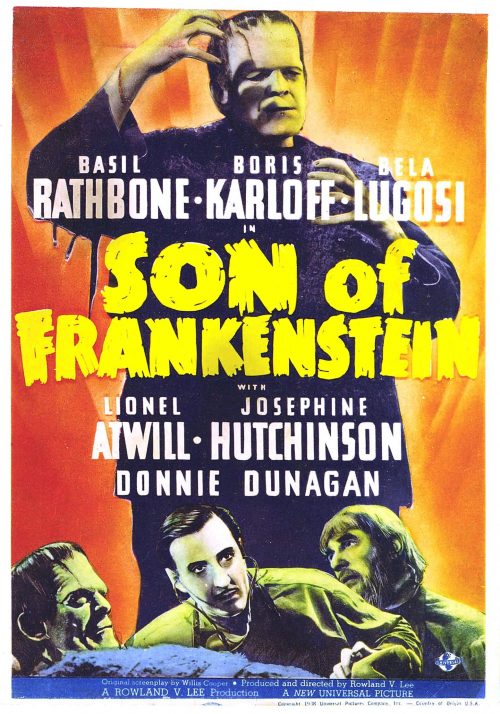
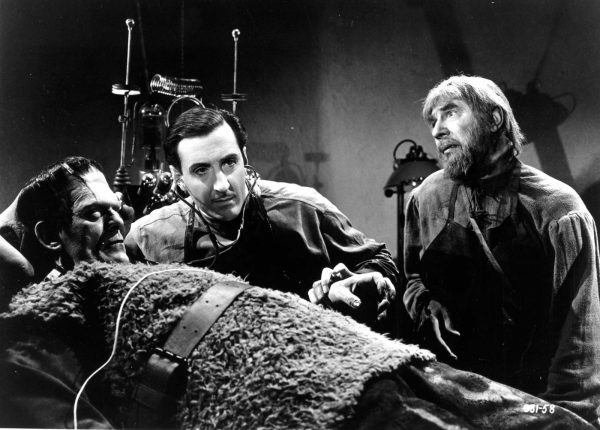
Son of Frankenstein (1939).  Directed by Rowland V. Lee, Son of Frankenstein is in every way a more elaborate, stylish production than the previous two films. Bride of Frankenstein has the look of a fairy tale, while Son has a harder, expressionistic look, thanks to the sets and lighting. Per Universal Horrors, the film “…picks up the continuing saga of the Frankenstein family years after the deaths of the Monster and his BrideBaron Heinrich (formerly Henry) von Frankenstein has died, leaving behind a legacy of hate in the hearts of his fellow countrymen. His son Wolf (Basil Rathbone), an American college professor, becomes the victim of their contempt when he returns to the village of Frankenstein with his wife Elsa (Josephine Hutchinson) and young son Peter (Donnie Dunagan) to claim his inheritance.”

Karloff, Rathbone, Lugosi

The cast is excellent, especially Basil Rathbone, Bela Lugosi, and Lionel Atwill. Lugosi plays Ygor, a singularly unpleasant character who was hanged for body snatching years before but survived with a twisted neck and protruding bone — as well as a bad attitude about it all. Even better is Atwill as Inspector Krogh, who has bitter memories of his own. When he was a boy, the Monster tore off one of his arms. One of my favorite scenes in the film is the verbal sparring between Wolf and Krogh while they play a game of darts. A nice touch is that Krogh sticks his supply of darts into the wooden forearm of his prosthetic arm, pulling them out one by one to throw. Another nice touch is in a climactic confrontation near the end when the Monster again tears off Krogh’s arm — the prosthetic one.

Rathbone & Atwill

Wolf thought the Monster was dead, but Ygor has been using him to kill off the village burghers who had condemned him to death. The Monster is now in a coma, and Ygor pressures Wolf to make him well again. Of course, Wolf can’t resist the challenge and the chance to clear his father’s name. Oddly enough, the Monster comes off as a secondary character here, through no fault of Karloff’s. He’s just not as interesting as Rathbone, Atwill, and Lugosi. He’s an imposing figure here — he appears to have packed on a few pounds in the intervening years. He’s more of a bulked-up thug than the tragic, lonely creature of the previous films. And he no longer speaks. The script and Lee’s direction have made him less human. Nevertheless, Son of Frankenstein is a terrific film. It has style and wit not found in subsequent Frankenstein films from Universal.

____________________________________________________

The Ghost of Frankenstein (1942), attempts to carry on the quality of the first three films, but doesn’t get there. I think there’s a different tone to the Universal films made in the 1940s. Maybe the war years had something to do with that, but I don’t know. Sir Cedric Hardwicke plays Ludwig, yet another son of Henry Frankenstein. Lon Chaney, Jr. is the Monster this time around, a definite comedown after Boris Karloff. Chaney was fresh off the success of The Wolf Man (1941), but I’ve never cared much for him as an actor. Bela Lugosi is back as Ygor, having survived being shot to death by Wolf in the previous film. Evelyn Ankers plays Elsa, Ludwig’s daughter. I find her immensely appealing and always like seeing her in films.

_______________________________________________

The next film in the series, Frankenstein Meets the Wolfman (1943), was when they really started to run out of ideas. The first half is basically a sequel to The Wolf Man, with Chaney reprising his role as the doomed lycanthrope Larry Talbot. Bela Lugosi is the Monster, which is ironic considering that he originally turned down the part in the original Frankenstein because of the makeup required and the fact that he couldn’t speak. He had too much ego for that. The opening, in the graveyard where Larry Talbot was laid to rest after being killed by his father (Claude Rains) in The Wolf Man, is quite atmospheric and exciting. Nothing in the rest of the film quite matches that, though the wonderful Maria Ouspenskaya is back as Maleva the gypsy woman. Regardless, it’s a fun film.

___________________________________________________

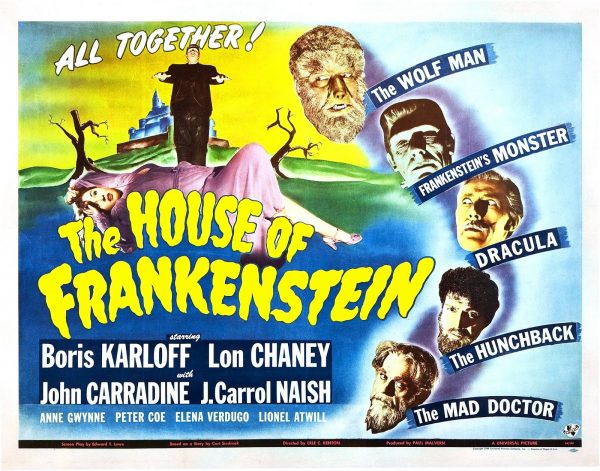
House of Frankenstein (1944) and House of Dracula (1945) are absurd monster mashes, quite ridiculous. The posters tell you all you need to know. The only point of distinction, as I recall, is that Larry Talbot (Lon Chaney) is cured of being a werewolf at the end of House of Dracula. I’m sure all those people he killed over the years as the Wolf Man are happy.

________________________________________________

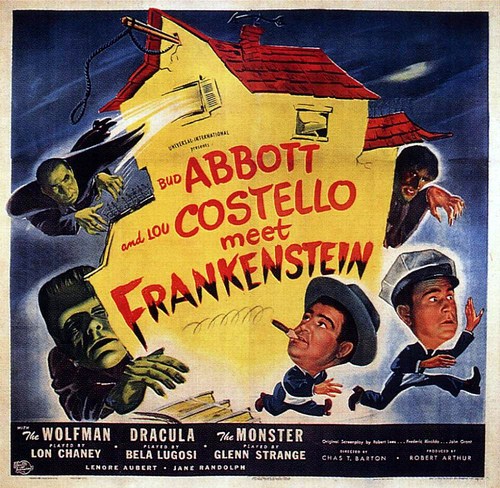
The final film from the Universal years was a comedy, Abbott and Costello Meet Frankenstein (1947). It’s actually pretty good, and it treats the various monsters with a certain amount of respect. It has the distinction of being only the second and final time Bela Lugosi would portray his signature role of Dracula. Lon Chaney is back as Larry Talbot, once again a werewolf. There’s a great moment when Chaney says to Lou Costello, “You don’t understand. I turn into a wolf when the moon is full!” To which Costello responds, “Yeah, you and twenty million other guys.” Or words to that effect. This film is a far cry from the classic Frankenstein films, but it’s not bad for what it is.

_________________________________________________

Hammer Horror

In 1957, the British studio Hammer Film Productions seriously shook things up with The Curse of Frankenstein, the first Frankenstein film in color. I was tremendously energized when I saw it and Horror of Dracula (1958) for the first time as midnight movies at the Vista Theater in Storm Lake, Iowa. Both films made a very strong impact with their blood and gore and cleavage. Many of the more sensitive cultural commentators were outraged. I, of course, was quite thrilled.

Both films also made stars of Peter Cushing and Christopher Lee. Cushing played Victor Frankenstein and Lee played the Creature (rather than the “Monster” of the Universal films). They went on to appear together in many subsequent Hammer films. Here is a clip of the first meeting of Frankenstein and the new-born Creature.

____________________________________________________

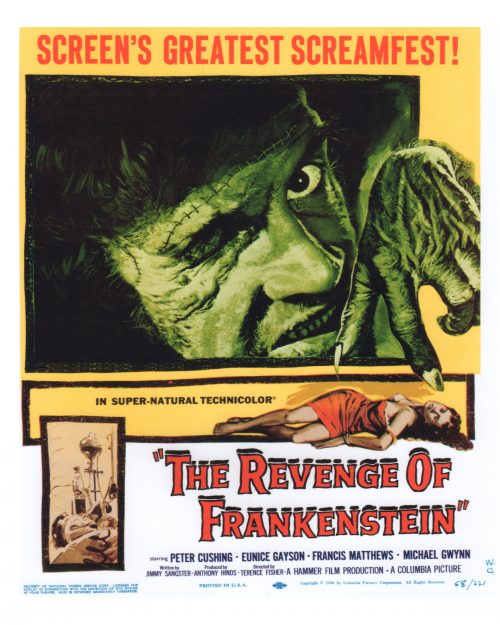
Hammer made seven Frankenstein films in all, with varying degrees of success. Frankenstein’s Monster is the main character in the Universal films, whereas with Hammer the continuing character is Frankenstein himself. He goes from film to film assembling a new creation each time. For me, The Revenge of Frankenstein, the second film in the Hammer series, is far and away the best. It took me years to finally see it, but it was worth the wait. At the end of the film (Spoiler Alert!), Frankenstein is killed by angry patients in a charity ward he had mainly for the purpose of harvesting the occasional body part for his extracurricular projects. A young doctor who’d been assisting him with his experiments transplants Frankenstein’s brain into the skull of a body that closely resembles Victor. He’d previously assembled it to have on hand, I suppose, in case something like this happened. Victor was nothing if not methodical. In a coda, we see the reborn Frankenstein and his assistant in their offices in London. This is the only success in the entire Hammer series. Frankenstein has become his own creation! Pretty neat.

____________________________________________________

The Hammer Frankenstein Films:

The Curse of Frankenstein (1957) — Excellent

The Revenge of Frankenstein (1958) — The best

The Evil of Frankenstein (1964) — The worst

Frankenstein Created Woman (1967) — Have only seen it once a long time ago. Need to see again.

Frankenstein Must Be Destroyed (1969) — Very good

The Horror of Frankenstein (1970) — A parody of the first film, without Cushing. Have never wanted to see it.

Frankenstein and the Monster from Hell (1973) — Unpleasant, but worth seeing.

________________________________________________________

This is just the tip of the iceberg. Part 2 will include info re new and forthcoming Frankenstein films, film posters, vintage newspaper ads, comic books, a video interview with Boris Karloff, and more. A lot of stuff that wouldn’t reasonably fit into this post. And that still won’t begin to cover the subject. There’s just too much Frankenstein. Look for it in a day or two. — Ted Hicks

__________________________________________________________

__________________________________________________________

Posted in Books, Comics, Feature films, Fiction, Film posters, History, Home Video, Music, Streaming, TV & Cable | Tagged , , , , , , , , , , , , , , | 3 Comments

Film Books – The Last Batch

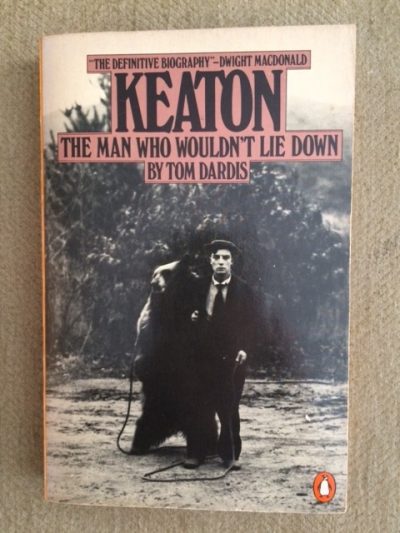
After finishing part 2 of this film books series, I realized I’d somehow left out books on Buster Keaton! I’m not sure how this happened, since Keaton is tremendously important to me. Plus there are other good books that I hadn’t had room for. I want to include those now.

_________________________________________________

Buster Keaton

Before moving to New York in 1977, the only Buster Keaton film I’d seen was The General (1927). I experienced a deep dive into his work when Lincoln Plaza Cinema near Lincoln Center presented the Buster Keaton Film Festival, showing 11 features and 23 two-reelers in August and September of 1981. I saw everything. It was a revelation. Keaton is far and away my favorite comic filmmaker of the silent era. I much prefer him to Chaplin, who is too sentimental for my taste. Harold Lloyd is great, but for me Keaton’s body of work is greater.

__________________________________________________

Films

________________________________________________

Noir

________________________________________________

Filmmakers

________________________________________________

________________________________________________

_________________________________________________

I’m a big fan of Ed Wood films, which explains the inclusion of this book. I’ve been planning to write at length about him for some time now, and will eventually do so. That’s either a promise or a threat, depending on your point of view. I began seeking out his films in the early ’80s. At some point I went to a bar in Chelsea which was showing Jail Bait (1954), written and directed by Wood in his inimitable style. There weren’t many of us there. As I recall, a 16mm projector was positioned on one of the tables to show the film on a portable screen. Low tech, but it got the job done. I sat at a table with someone who identified himself as Rudolph Grey. He mentioned he was writing a book about Wood, which was later published in 1992 as Nightmare of Ecstasy: The Life and Art of Edward D. Wood, Jr. Before the screening, I described my reaction to seeing Wood’s Plan 9 from Outer Space (1959) recently at the Thalia. When another person sat down with us, Rudolph introduced me as someone who “picked up on all the right things” about Wood. This might be considered a dubious distinction by some, but I liked it that I’d made a connection with a total stranger about the films of Ed Wood.

________________________________________________

Biographies

_______________________________________________

J. Hoberman and David Thomson

____________________________________________

Personal Connections

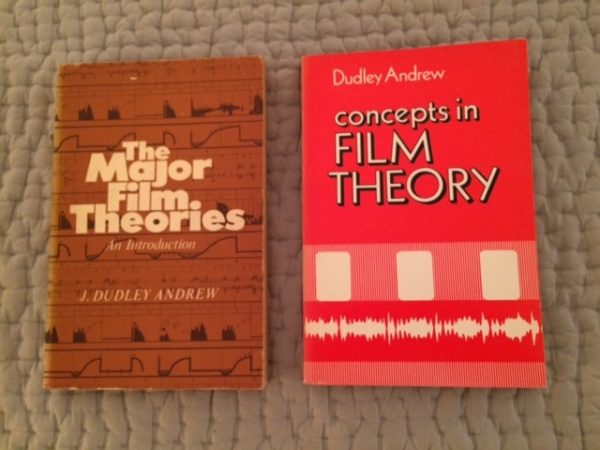
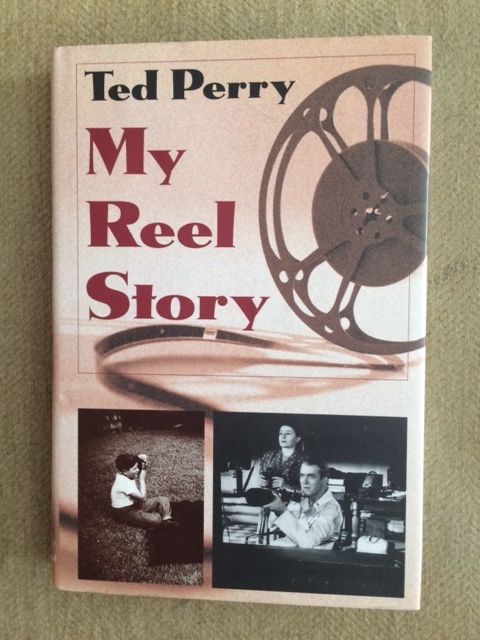
I’ve known Dudley Andrew since returning to the University of Iowa in 1971 after getting out of the Air Force. He was teaching in the film department. I took several courses from him, including Film Script Analysis and Film Styles and Genres. We became friends and have stayed in touch through the years. After teaching at Iowa for 30 years, he joined the faculty at Yale University in 2000, where he heads the Film and Media Studies Program. I’ve known Ted Perry even longer. He was a TA in the first film production course I took at Iowa in 1964, which was called Cinematography Techniques, or Cine Tech for short. Ted left Iowa to join the Cinema Studies Department at NYU and the Film Department at the Museum of Modern Art, both in New York City. He’s been at Middlebury College since 1978, where he founded the Film and Media Culture Department in 2008. I consider it a gift to be friends with Dudley and Ted. They’re both much smarter than I am, but they make me feel like I sometimes know what I’m talking about.

The Major Film Theories was published in 1976; Concepts in Film Theory in 1984. My Reel Story was published in 2001.

________________________________________________

That about does it. Stay tuned for my next post. In the meantime, here’s a final cover to help you fall asleep at night. — Ted Hicks

_________________________________________

Posted in Books, Documentaries, Feature films, Film posters, History, Home Video, Streaming, TV & Cable | Tagged , , , , , , , , , , , , , , , , , | 3 Comments

Film Books – Part 2

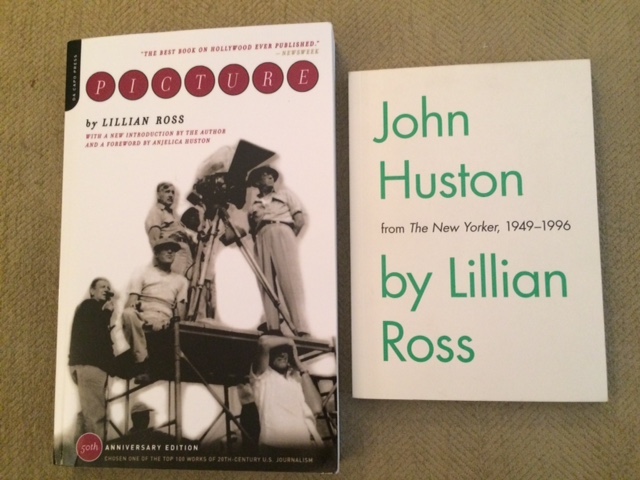
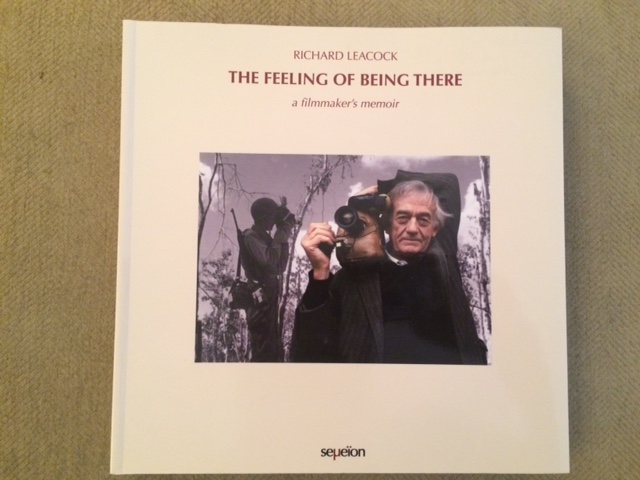
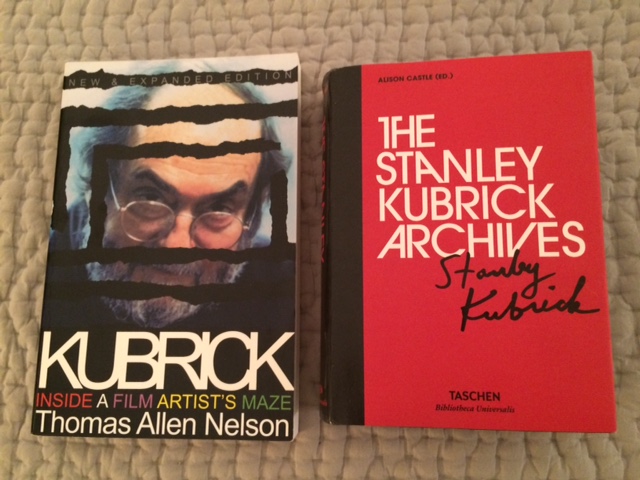
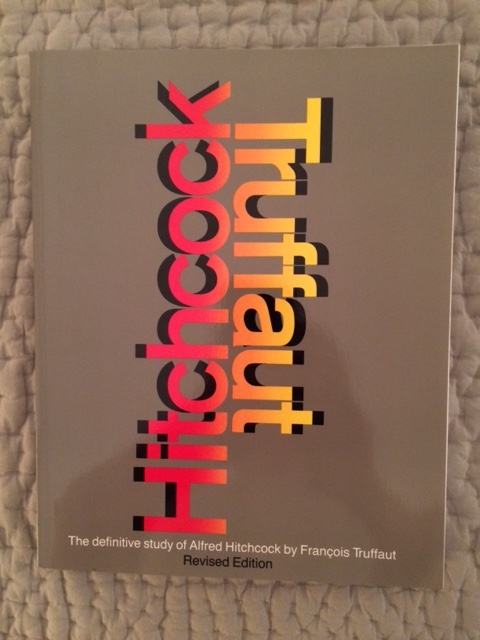
In response to my previous post on favorite film books, someone emailed me that they thought it was a great list, but noted how few new books there were. I hadn’t thought about that at the time, but that list included books I’d acquired over the years that I continually refer to. That was my criteria. I have many more film books, old and new, and while I may not return to them as frequently, they’ve survived periodic purges to make more shelf space. These are books I obviously feel are important to my collection. They include studies of genres, directors, individual films, and reviews. Here are some of them.

__________________________________________________

Film Noir

_____________________________________________________

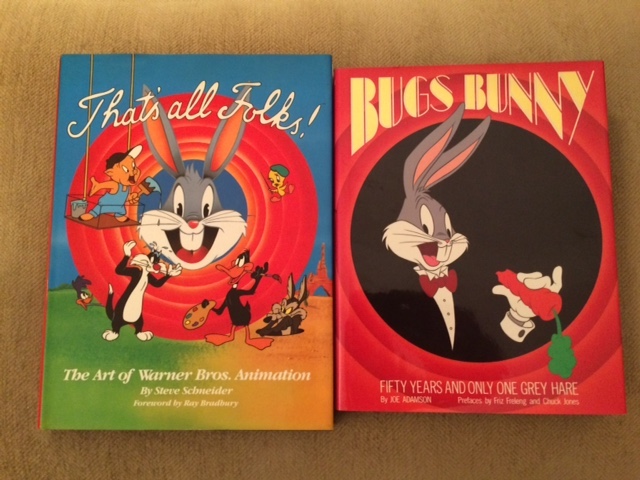
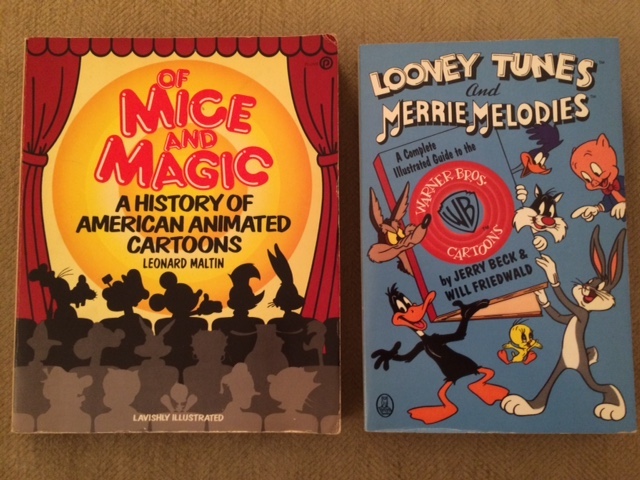
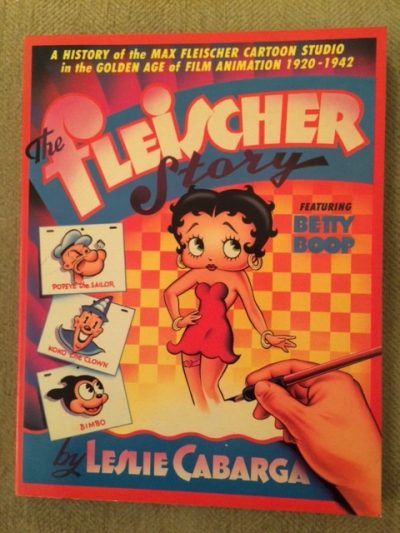
Animated Cartoons

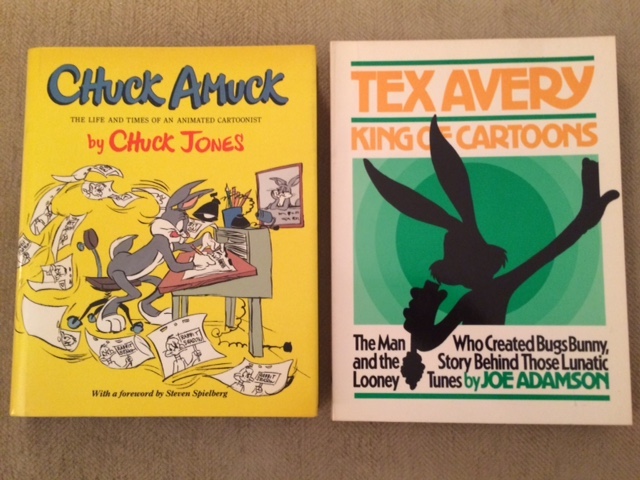
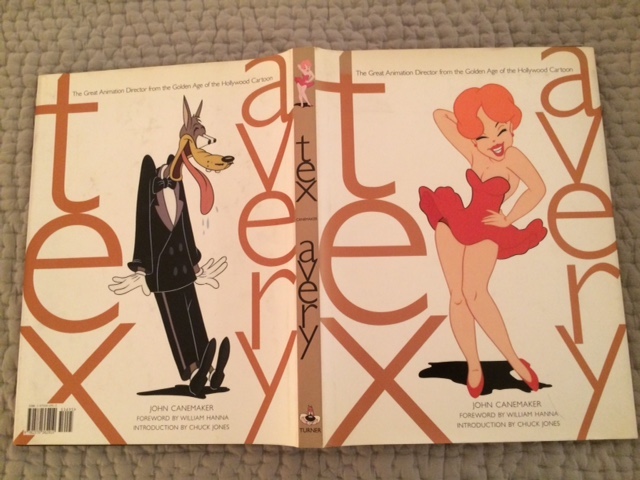
I clearly have a preference for Warner Bros. cartoons.

________________________________________________

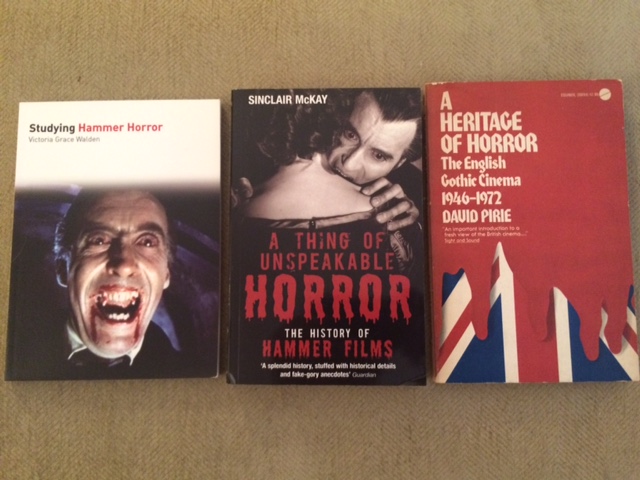
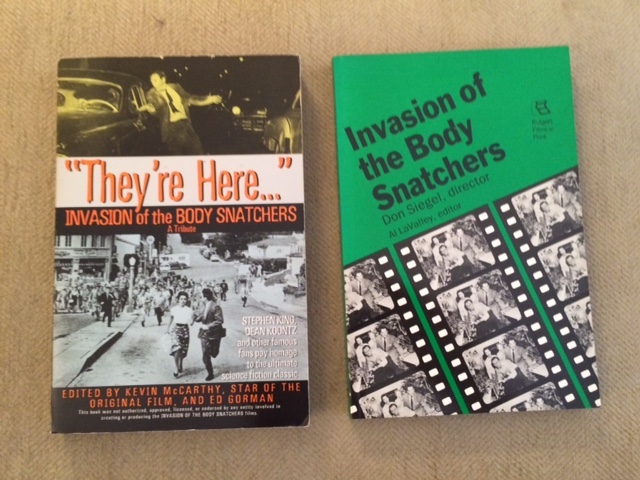
Science Fiction and Horror


___________________________________________________

Directors

_______________________________________________

Films


______________________________________________________

_____________________________________________________

Interviews and Reviews


________________________________________________

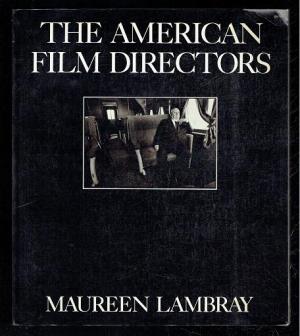
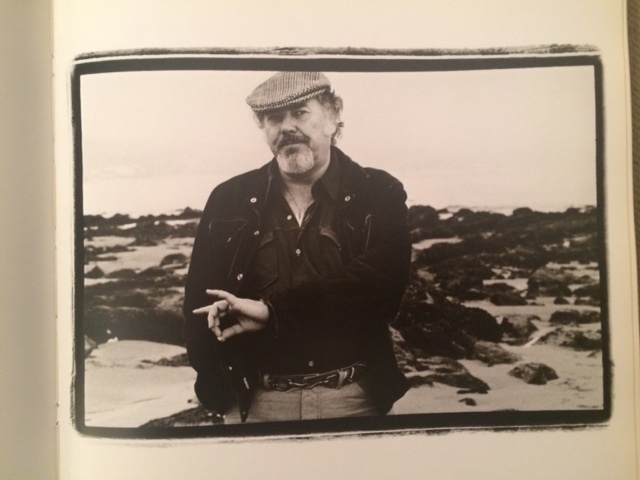
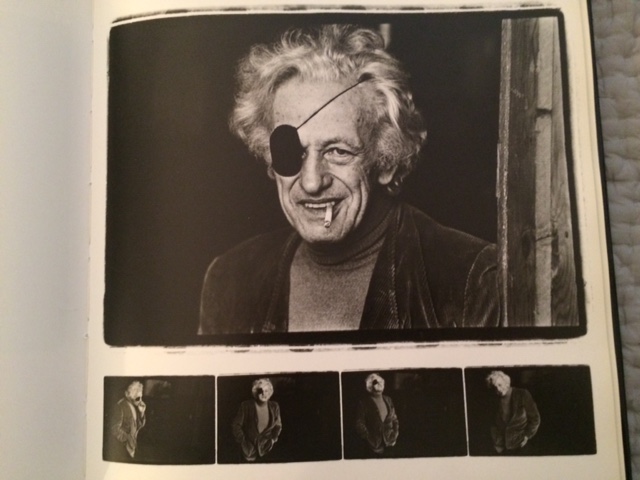
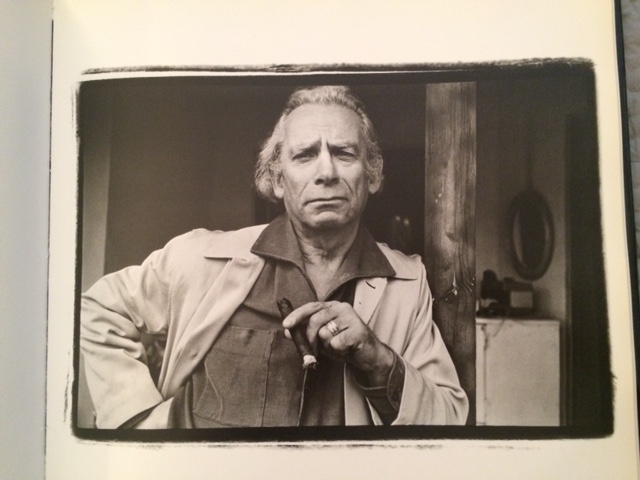
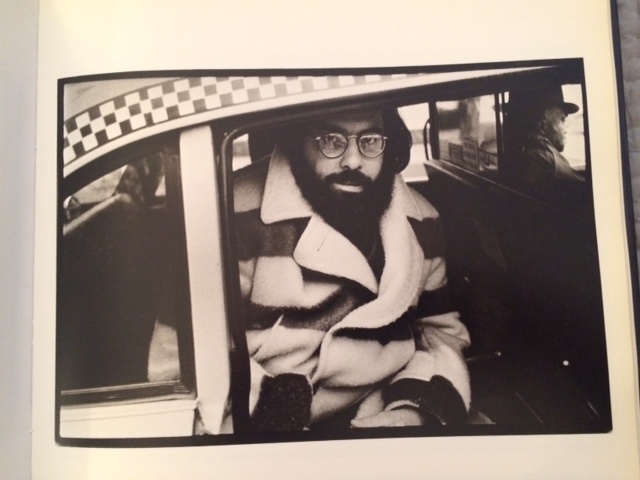
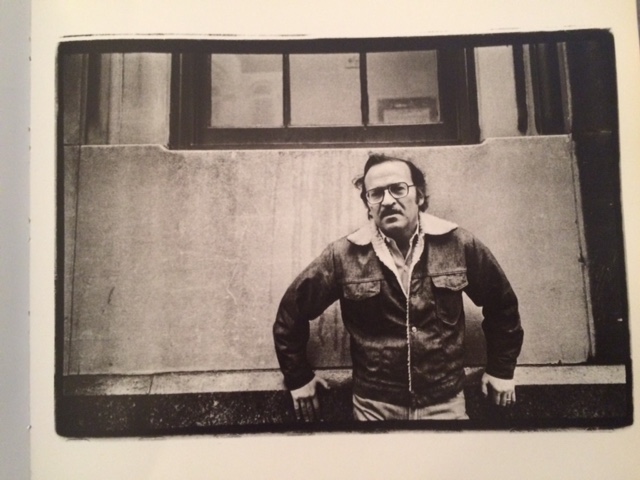
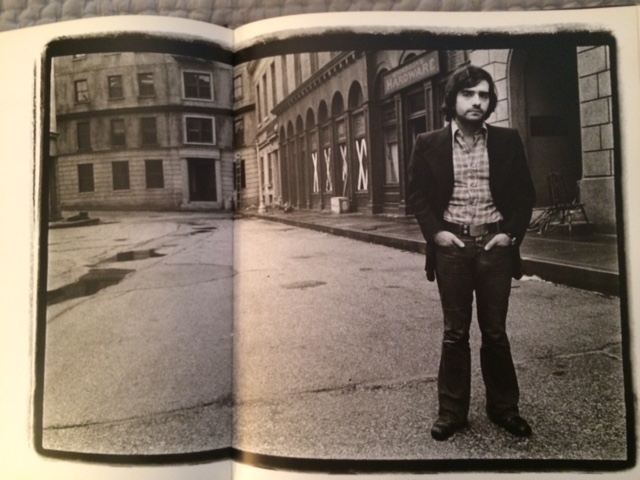
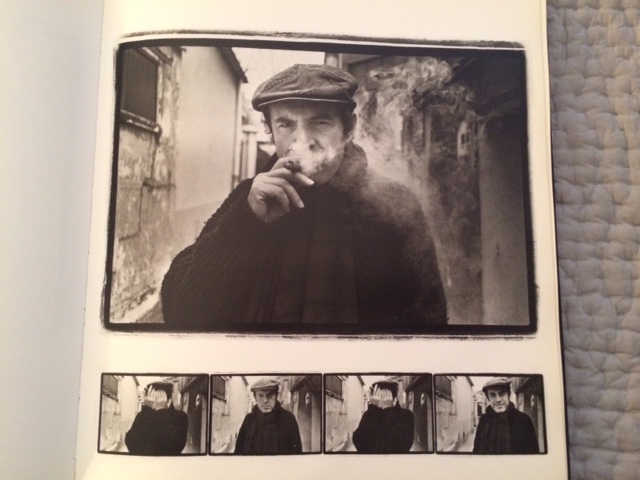
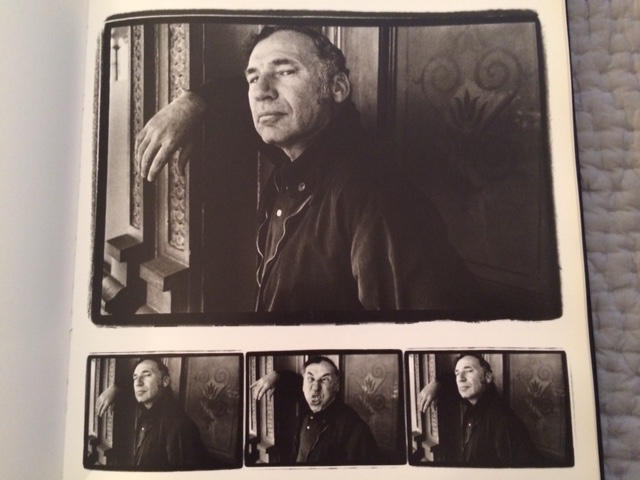
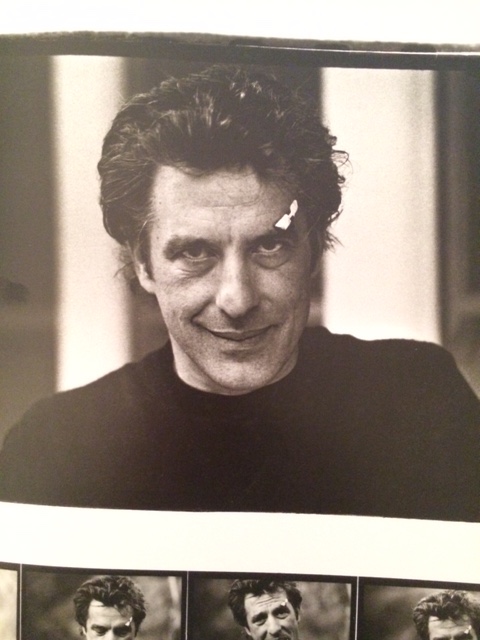
The American Film Director, a collection of photographs by Maureen Lambray, was published in late 1976. I hadn’t taken it off the shelf in a while. When I did so the other day, I saw from a note I’d made in the book that I’d purchased it in January of 1977, a week or so before I moved from Minneapolis to New York. The book is comprised of Lambray’s photographs of 82 feature film directors, all men. In an author’s note she writes: “To my great disappointment no woman feature film director that I could contact would agree to be photographed for this book.” I haven’t been able to find out why that was, but it’s unfortunate. I would like to have seen Ida Lupino, for example, included in this book. Additionally, the back jacket flap has this: “Maureen Lambray, living in New York City, is currently working on Volume II of The American Film Directors and completing the photographs for The European Film Directors.” To my knowledge, neither of these volumes ever appeared. It’s curious. But the book she did finish is an extraordinary series of photographs of directors, some of whom were relatively early in their careers. Here are a few of them:

Robert Altman

Nicholas Ray

Samuel Fuller

Francis Ford Coppola

Sidney Lumet

Martin Scorsese


Milos Forman

Mel Brooks

I really love this shot of  Cassavetes. It looks like he might have been in a fight. At least, I’d like to think so.

John Cassavetes

__________________________________________________

I think that’s enough for now. See you at the movies. — Ted Hicks

Posted in Books, Documentaries, Feature films, Film posters, History, Home Video, Streaming, TV | 4 Comments

Bookish 2 – Favorite Film Books, Then & Now

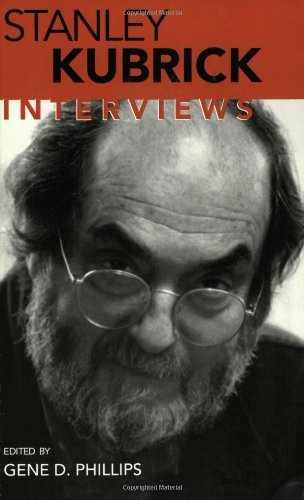
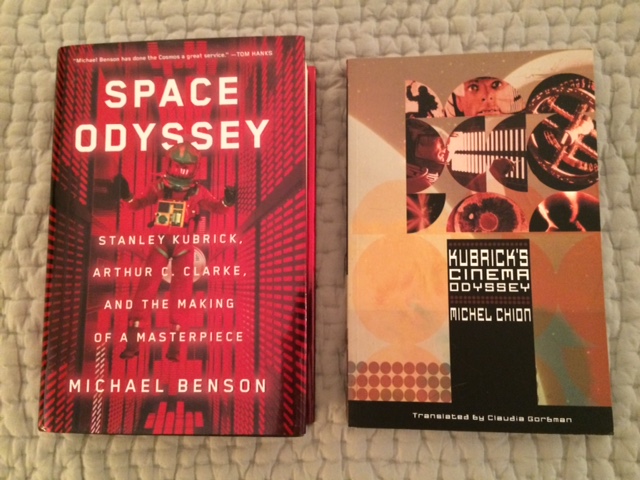
Over the years, many of the film books I’ve acquired — and still have — are collections of reviews; interviews with directors, screenwriters, editors and cinematographers; studies of directors such as Stanley Kubrick and Buster Keaton; and encyclopedic listings of films (horror, westerns, film noir, etc) and information about them. For the most part, these are not scholarly studies of film theory, though I have some of those, too. But I tend to not think about films in that way.

Along the way, due to space limitations, I’ve had to sell or donate hundreds. Ideally I would have kept them all, but that’s far from possible in a one-bedroom apartment shared with a wife and two cats.

I’m sure the first “film book” I ever had was TV Movie Almanac & Ratings – 1958 & 1959, compiled by Steven H. Scheuer. I got this when I was just starting high school. I read it incessantly. As far as I know, this was the first guide of its kind, containing capsule reviews and ratings of movies, videos, and TV movies. Scheuer edited 17 editions between 1958 and 1993.

Leonard Maltin’s movie guides are better known than Scheuer’s. The first one, published under the title TV Movies, appeared in 1969. Signet Books had wanted a competitor to the Scheuer series, and hired Maltin in ’68 when he was just 17 years old. He had a successful career doing this, though in August 2014 Maltin announced that the 2015 edition would be the last, stating “An entire generation has been raised to acquire all their information online from their mobile devices or computers. These are not the likely customers for a physical paperback reference book. Our sales have sharply declined in recent years.” I no longer have the first edition, but I do have the last. TV Movies set me back $1.25, while the trade paper edition of “nearly” 16,000 entries crammed into 1,609 pages cost a modest $25.

_____________________________________________________

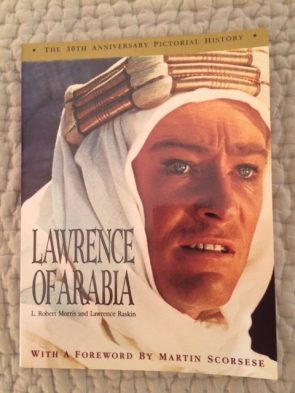
The following film books are ones I still have in my library. I revisit many of them frequently.

______________________________________________________

I bought a copy of The Film Director as Superstar in 1970 or ’71 after getting out of the Air Force and returning to the University of Iowa. Directors interviewed include Jim McBride, Brian De Palma, Norman Mailer, Andy Warhol, John Cassavetes, Bernardo Bertolucci, Roman Polanski, Roger Corman, Francis Ford Coppola, Arthur Penn, and Stanley Kubrick. Most were early in their careers in 1970 when the book was published. It’s interesting now to go back and see what they had to say then. The shot of Cassavetes behind the camera on the cover is great, isn’t it?

______________________________________________________

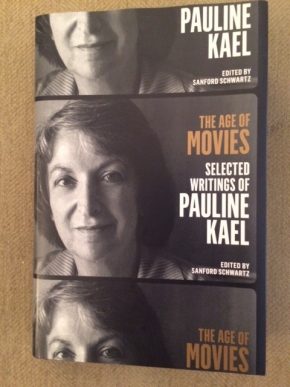
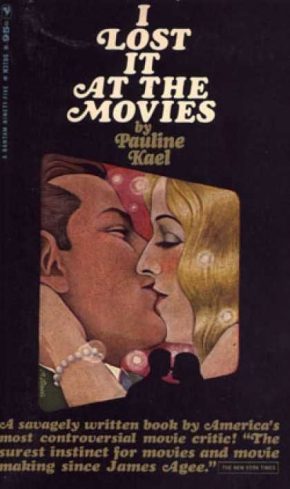
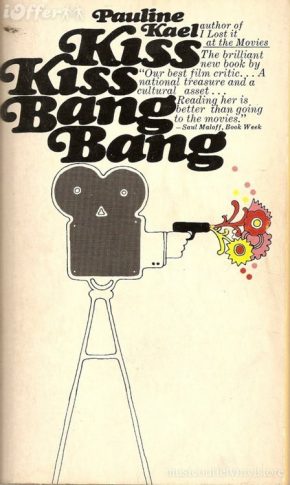
I used to think Pauline Kael was the greatest thing going when it came to film criticism. I had all of her collections of reviews, starting with I Lost It at the Movies (1965), and eagerly awaited her reviews in The New Yorker magazine. But I turned a corner with her two-part essay Raising Kane (1971) which elevated Herman J. Mankiewicz’s contribution to Citizen Kane as screenwriter at the expense of Orson Welles, who she trashed in the process. There was just something about the way she did it that turned me off. While I continued to read her reviews and buy the collections, I never quite got back on board. However, there’s no denying her importance to films and film criticism. Hers was a powerful voice. She had a tremendous amount of influence on the scene.


_____________________________________________________

An important book for me at the time was Kings of the Bs: Working Within the Hollywood System: An Anthology of Film History and Film Criticism, edited by Todd McCarthy and Charles Flynn. The title is quite a mouthful, but it’s a great book. Per The DGA Quarterly, Kings of the Bs is “…a landmark assessment of the independent sector of American filmmaking in the postwar decades, including still-underrated auteurs Edgar G. Ulmer, Jacques Tourneur, Don Siegel, Phil Karlson, and Joseph H. Lewis. The world of the Bs consisted of scrappy outfits such as King Brothers Productions and Samuel Z. Arkoff’s American International Pictures; poetic, studio-backed filmmakers such as Samuel Fuller and Nicholas Ray; and the delightfully rancid likes of Russ Meyer and Herschell Gordon Lewis. It is a forgotten era, as lost to us now as silent cinema, but this entrancing collection of essays and interviews brings it all vividly back to life. The end result is reorienting our sense of movie history to a time when poverty bred poetry and necessity was often the mother of invention.”

______________________________________________________
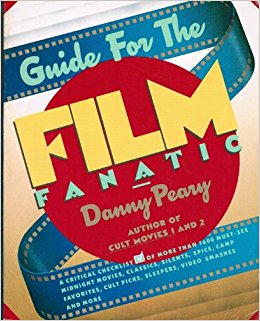
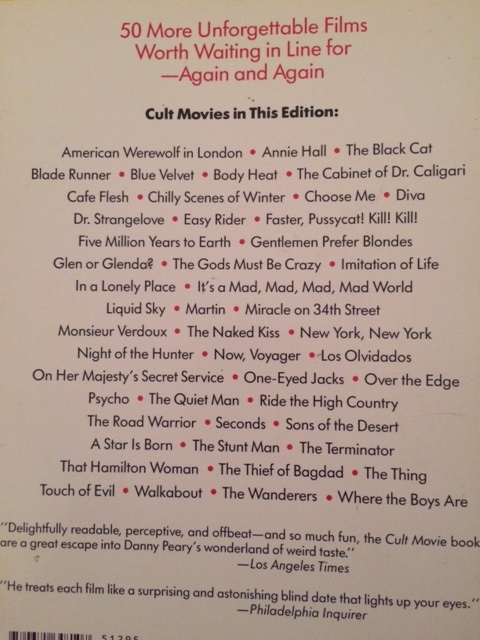
Danny Peary has written several excellent encyclopedic film books. All are very engaging, concise, and insightful. Guide for the Film Fanatic (1986) is described on the cover as “A critical checklist of more than 1600 must-see midnight movies, classics, silent, epics, camp favorites, cult picks, sleepers, video smashes, and more.”

Equally good are Peary’s Cult Movies: The Classics, the Sleepers, the Weird, and the Wonderful (1981), followed by Cult Movies 2 (1983) and Cult Movies 3 (1988).
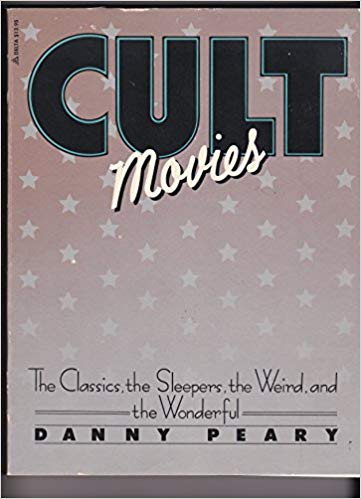
The contents of volumes 2 & 3 can be seen below.

__________________________________________________

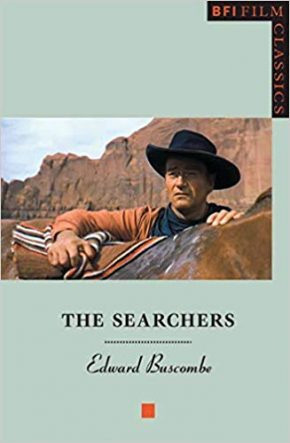
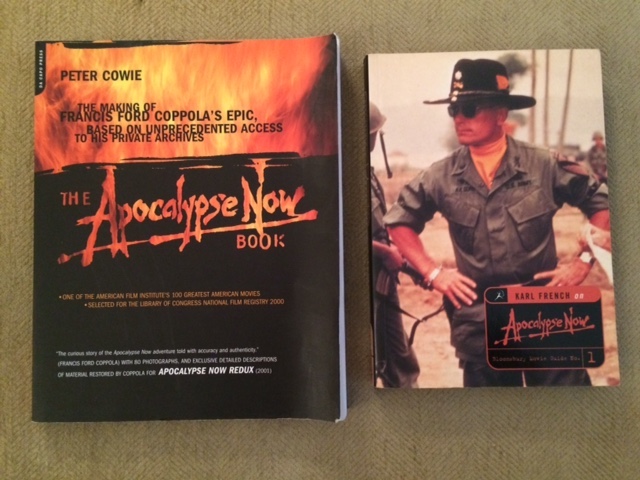
Monographs on individual films have been published for years in the excellent BFI Film Classics series. Here are a few of the titles I have.


__________________________________________________

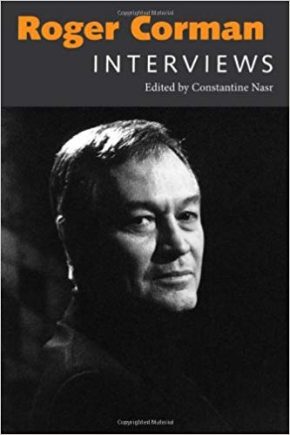
The University of Mississippi Conversations with Filmmakers series is also excellent. Each volume is a collection of interviews with a well-known director. Here is a selection of titles in my library.


___________________________________________

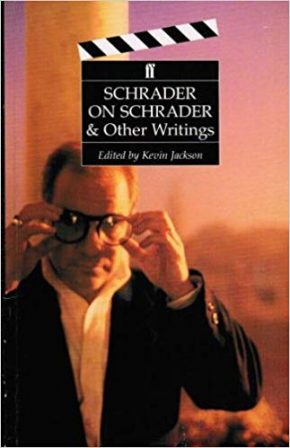
Faber & Faber in the UK also has a very good series of interviews with directors. Here are some of their titles I have.



_____________________________________________________

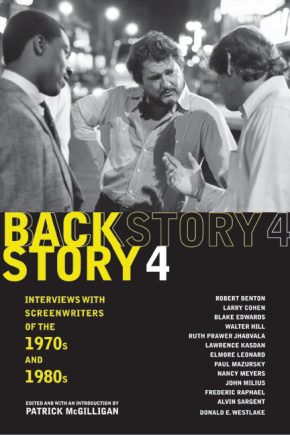
Patrick McGilligan’s Backstory series is extremely significant, especially from an historical perspective. Edited by McGilligan, each volume is a collection of interviews with screenwriters of different periods. You really get a feel for how they thought and worked. Below is a list of the titles and partial contents.

The first volume, Backstory: Interviews with Screenwriters of Hollywood’s Golden Age (1986), includes W. R. Burnett, James M. Cain, Julius Epstein, and Richard Maibaum.

Backstory 2: Interviews with Screenwriters of the 1940s and 1950s (1991) includes Leigh Brackett, Richard Brooks, Betty Comden and Adolph Green, Garson Kanin, Curt Siodmak, and Stewart Stern.

Backstory 3: Interviews with Screenwriters of the 60s (1997) includes Jay Pressman Allen, George Axelrod, Walter Bernstein, Horton Foote, Richard Matheson, Stirling Silliphant, and Terry Southern.

Backstory 4: Interviews with Screenwriters of the 1970s and 1980s (2006) includes Robert Benton, Larry Cohen, Blake Edwards, Walter Hill, Lawrence Kasden, Elmore Leonard, Paul Mazursky, Nancy Meyers, and Donald Westlake.

Backstory 5: Interviews with Screenwriters of the 1990s (2010) includes Albert Brooks, Nora Ephron, John Hughes, David Koepp, Barry Levinson, John Sayles, Tom Stoppard, and Barbara Turner.
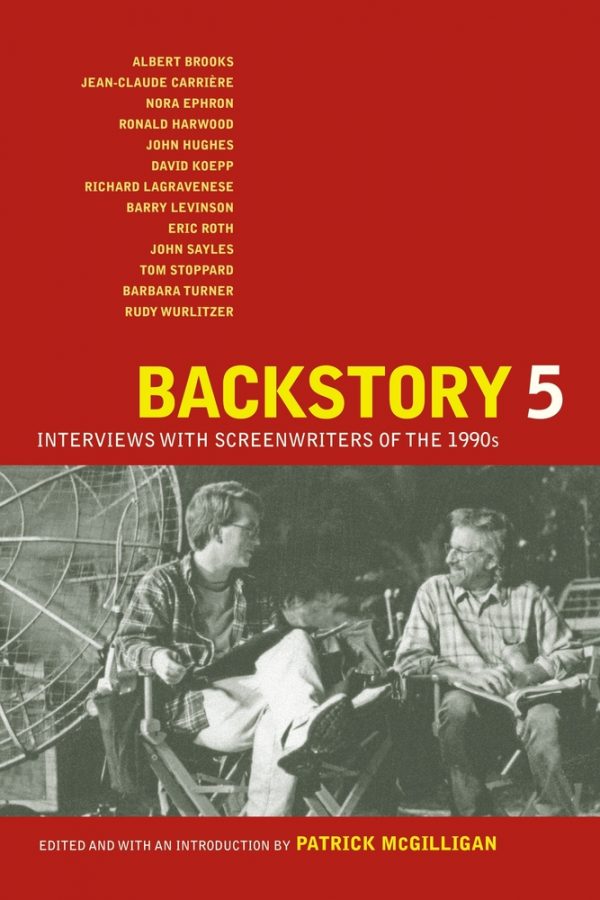
Besides overseeing the Backstory series, Patrick McGilligan has written numerous critical biographies of filmmakers, including Robert Altman, Alfred Hitchcock, Fritz Lang, Jack Nicholson, Clint Eastwood, Nicholas Ray, and Mel Brooks, among others. I remember his Altman book as being especially good, though I no longer have it.

__________________________________________________

Since moving to New York City in 1977, I’ve purchased a number of film-related titles from the Performing Arts catalog of McFarland & Company, an independent book publisher located in North Carolina. The books I’ve gotten have a horror, science-fiction, or film noir focus. No surprise there.

Interviews with B Science Fiction and Horror Movie Makers: Writers, Producers, Directors, Actors, Moguls and Makeup (1988) — Tom Weaver

Science Fiction Stars and Horror Heroes: Interviews with Actors, Directors, Producers and Writers of the 1940s through 1960s (1991) — Tom Weaver

Attack of the Monster Movie Makers: Interviews with 20 Genre Giants (1994) — Tom Weaver

Fearing the Dark: The Val Lewton Career (1995) — Edmund G. Bansak

Dark City: The Film Noir (1984) — Spencer Selby

Boris Karloff: A Critical Account of His Screen, Stage, Radio, Television, and Recording Work (1991) — Scott Allen Nollen

Karloff and Lugosi: The Story of a Haunting Collaboration (1990) — Gregory William Mank

Horror Film Directors, 1931-1990 (1991) — Dennis Fischer

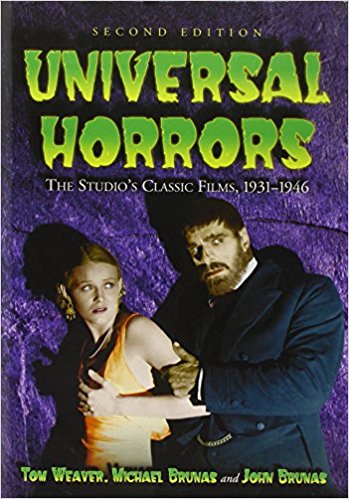
Universal Horror: The Studio’s Classic Films, 1931-1946 (1st edition 1990, 2nd edition 2007) — Tom Weaver, Michael Brunas, John Brunas

Repertory Movie Theaters of New York City: Havens for Revivals, Indies and the Avant-Garde, 1960-1994 (2017) — Ben Davis

The most significant of these, in that I return to it often, is Universal Horror. It covers every horror or quasi-horror film, including Sherlock Holmes titles, released by Universal Studios from 1931 to 1946. These include the acknowledged classics, such as Dracula, The Mummy, Frankenstein, The Bride of Frankenstein, The Invisible Man, and The Wolf Man, as well as the not-so-classic. The films are frequently discussed in considerable detail, including production histories. I enjoy this book immensely.
___________________________________________

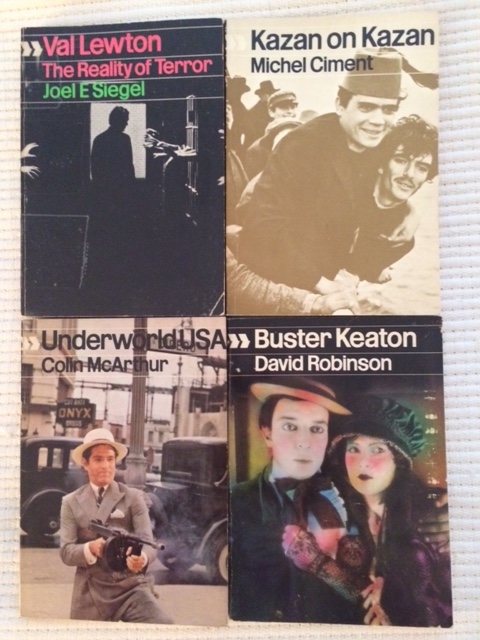
The Cinema One series, a joint publication of the British Film Institute and Sight and Sound magazine, was an excellent collection of monographs on film genres and directors. It was distributed in this country by various publishers, including Doubleday, Indiana University Press, and Viking Press. I purchased these volumes mostly in the 1970s.
________________________________________________

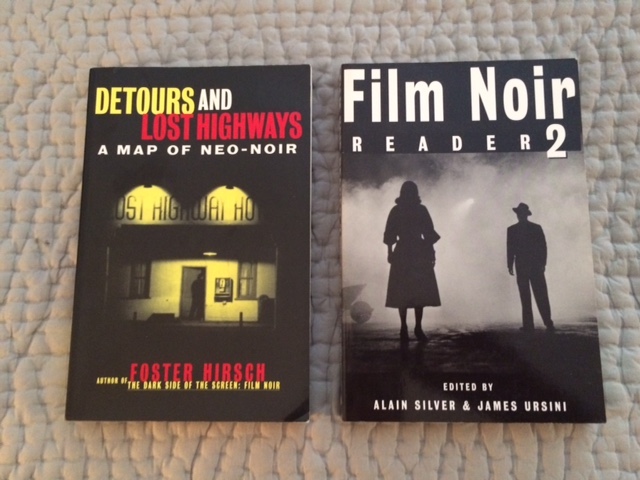
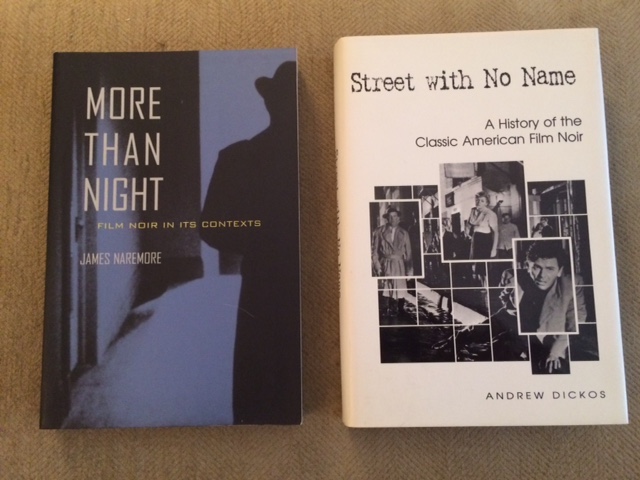
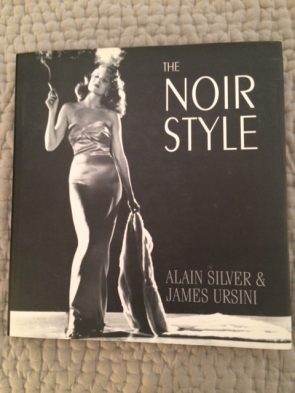
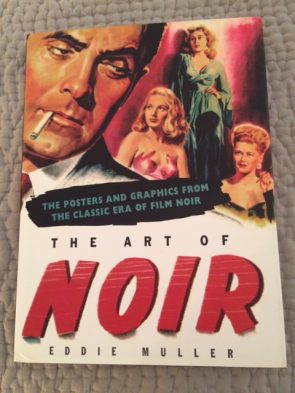
Film noir has been of prime interest to me for many years. Key books I have on the subject are the following.

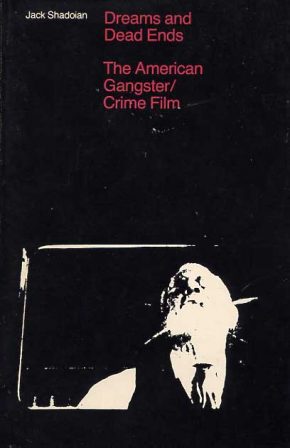
Dreams and Dead Ends by Jack Shadoian, is written in very evocative, hot-wired style. The first edition (below left) came out in 1977 and the second (below right) in 2003. The second edition has revisions and additions, which is how I rationalized getting it as well.


______________________________________________________

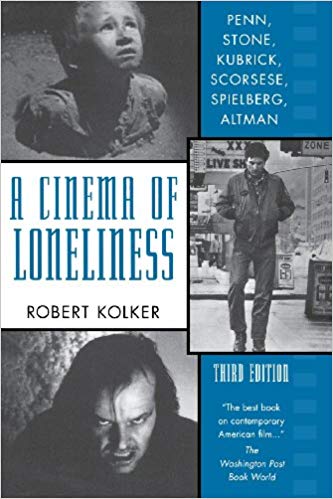
A Cinema of Loneliness by Robert Kolker (1980) is another excellent book. It has had three subsequent editions in 1988, 2000, and 2011. There have been substantial reappraisals and additions in each edition. This guy Kolker has earned his money.
____________________________________________

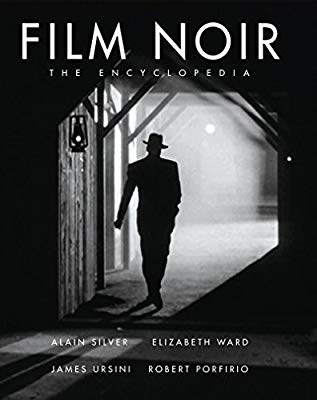
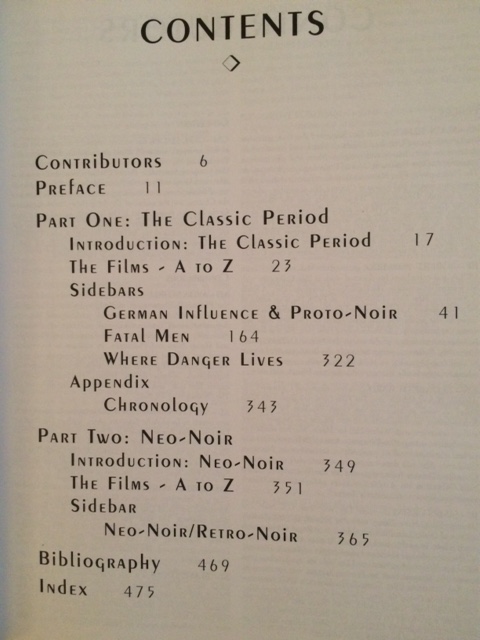
The most important book I have on film noir is one I go back to again and again. Film Noir: The Encyclopedia, edited by Alain Silver, Elizabeth Ward, James Ursini, and Robert Porfiro, was originally published in 1979, with a significantly expanded edition appearing in 2010. It’s a highly detailed reference source, just terrific.
____________________________________________________

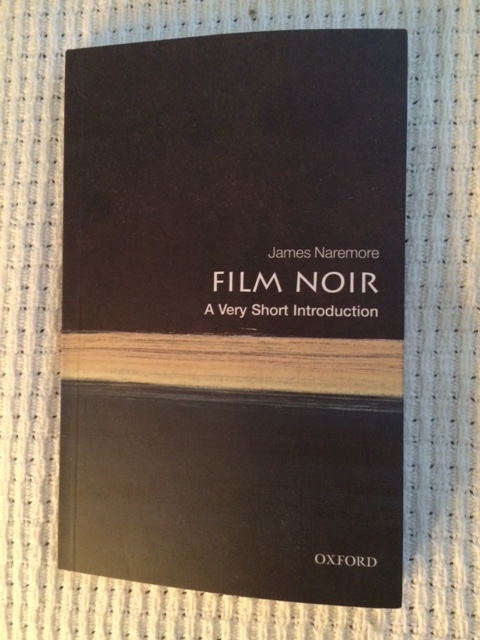
About three weeks ago, while standing in line to buy tickets for the New York Film Festival, a friend of mine showed me a small paperbound book called Film Noir: A Very Short Introduction by James Naremore, published by Oxford University Press. I’d not heard of the Very Short Introduction series. Started in 1995, there are now over 650 titles in a very wide variety of subjects. Each is a concise and compact volume written by established authors, with most under 200 pages. I ordered the Film Noir title, which is 124 pages and measures 6.7″ x 4.4″. This appeals to my appreciation of small things that are usually larger. This is not a book aimed at beginners, though it would be a good place for anyone to start. James Naremore has solid credentials, having written books on Orson Welles, Stanley Kubrick, film noir, and film acting. This little book is the latest addition to my noir shelf.
________________________________________________

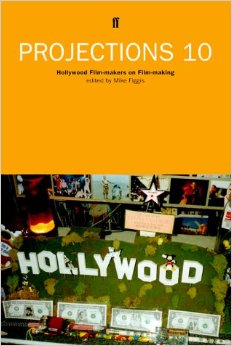
For me, the most significant publication on film to date is the Projections series, edited by John Boorman and Walter Donohue,  thirteen volumes published more or less annually from 1992 to 2004. What distinguished Projections was that it was filmmakers writing about filmmaking and other filmmakers. Examples include Sydney Pollack interviewed by John Boorman, Tony Curtis interviewed by Jamie Lee Curtis, and Brian De Palma talking with Quentin Tarantino. Most of the volumes are subtitled A Forum for Film Makers or Film-Makers on Film-Making. You really felt like you were behind the screen. I awaited each new volume with great anticipation. They are endlessly rewarding. There have been times when I’ve picked up one of them to check out one thing or another and ended up re-reading the entire issue. It also helps that John Boorman is one of my favorite directors. He’s made some great films, such as the awesome Point Blank (1967), Hell in the Pacific (1968), Deliverance (1972), and Hope and Glory (1987).

__________________________________________________

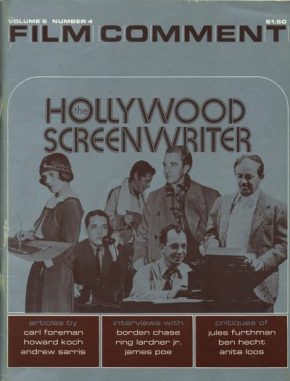
I regularly read two New York-based film magazines, Cineaste and Film Comment. Both are very good for interviews and reviews of films, home video, and books. Here are some of the issues.



_____________________________________________________


_____________________________________________________

_______________________________________________________

I’ll close with some other film books that I’ve found informative and entertaining over the years.

____________________________________________________

_____________________________________________________

_____________________________________________________


________________________________________________________

This wraps it up until next time. — Ted Hicks

________________________________________________________

Posted in Books, Documentaries, Feature films, Film, Film posters, Home Video, Streaming, TV & Cable | Tagged , , , , , , , , , , , , , , , , , , , , | 6 Comments

Once Upon a Time…in Hollywood – Supplemental

Here is a selection of interviews, articles, video features, and music re Once Upon a Time…in Hollywood.

________________________________________________

_____________________________________________________

Print interview with Robert Richardson, Director of Photography, followed by a video interview with Richardson and others.

https://theplaylist.net/once-upon-hollywood-cinematographer-robert-richardson-20190726/?fbclid=IwAR3NeAP–nVe8fKbV4YQf8ZEFEUmX6jiBUNO-XRd_GE7PlaDan8SVOc6lXc

____________________________________________________

____________________________________________________

Filming on location, July 23/24 and October 22/23.

_____________________________________________________

In the projection booth during a 35mm showing of Once Upon a Time…in Hollywood.

______________________________________________________
Period music used in Once Upon a Time…in Hollywood.

https://www.radiotimes.com/news/film/2019-08-14/once-upon-a-time-in-hollywood-soundtrack-here-are-all-the-1960s-tunes-featured-in-the-movie/

_______________________________________________________
Vanilla Fudge’s extra-heavy version of “You Keep Me Hanging On” that accompanies the apocalyptic climax in Rick’s house.

______________________________________________________
John Cale’s “Leaving It Up to You,” a cut from his 1975 album Helen of Troy, featuring the lyric, “We could all feel safe like Sharon Tate.” It’s a very creepy line. His vocal becomes increasingly tortured and demented as the song progresses, as only Cale can. It’s extremely twisted and really great. And one more example of how Sharon Tate has been appropriated by the Manson murders.

___________________________________________________

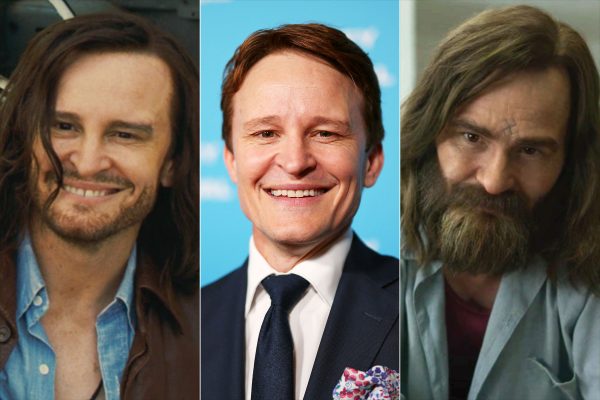
Damon Herriman, who plays Charles Manson in Once Upon a Time…in Hollywood, also appears as an older Manson interviewed in prison in the fifth episode of the current season of Mindhunter, streaming on Netflix. The actor gets around. He was Dewey Crowe in the Timothy Olyphant series Justified on FX (2010-2015), and was Anna Torv’s transgender ex-husband in the Australian series Secret City on Netflix (2016).

__________________________________________________
I didn’t know until yesterday that a stuntman, Donald Shea, had been murdered at the Spahn Movie Ranch later in the month after the murders at the Polanski home on August 8 & 9, and at the La Bianca home on August 10. This was the obvious inspiration for Cliff Booth’s tense trip to the Spahn Movie Ranch in Once Upon a Time…in Hollywood, though that plays out played out quite differently.

https://www.oxygen.com/martinis-murder/brad-pitts-once-hollywood-character-real-donald-shorty-shea

______________________________________________________

Joan Didion re the Manson murders and the “end of the Sixties”

https://www.vox.com/culture/2019/8/8/20707915/joan-didion-sharon-tate-manson-white-album

______________________________________________________
Sharon Tate in Hollywood – New York Times

_______________________________________________

A Hollywood ending

________________________________________________

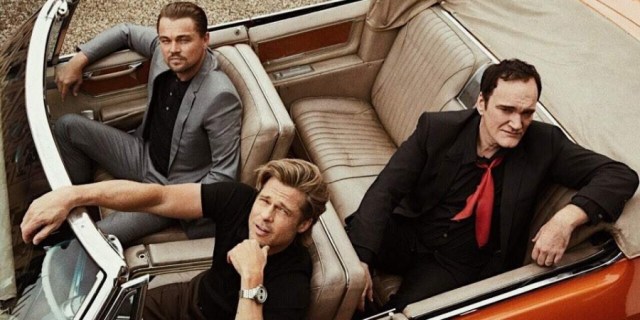
Leonardo DiCaprio and Brad Pitt, with Quentin Tarantino in the back seat. That’s all for now. — Ted Hicks

____________________________________________________

Posted in Books, Feature films, Film posters, History, Music | 2 Comments